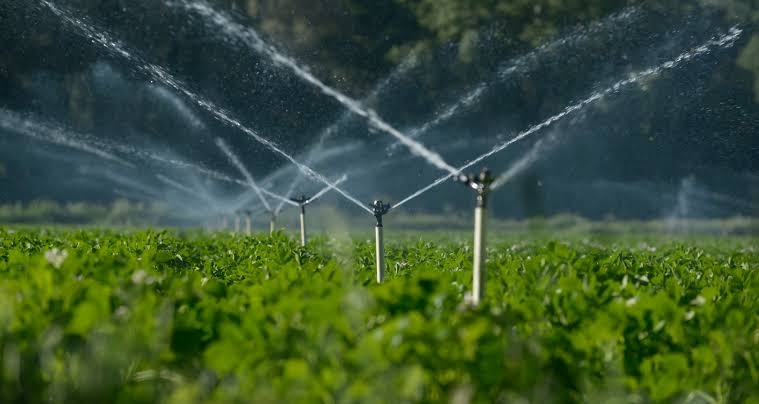
Water is increasingly recognized as a foundational economic asset, with global data proving that secure water management drives GDP growth and job creation. By prioritizing infrastructure efficiency and sustainable pricing, nations are transforming water from a neglected resource into a high-yield driver of industrial and agricultural prosperity.
Water is no longer viewed merely as an environmental necessity but as the foundational ingredient for economic development, according to global policy experts and economic analysts. As nations strive to meet rising industrial demands and urban population growth, the shift toward treating water as a core economic asset is accelerating. From powering manufacturing hubs to sustaining agricultural output, reliable water access is now directly linked to a country’s GDP potential, job creation, and overall fiscal stability.
The Economic Value of Water Resources
Modern economic frameworks increasingly emphasize that water scarcity acts as a significant barrier to growth, while optimized water management serves as a catalyst for prosperity. Research highlights that water-dependent sectors—such as agriculture, automotive manufacturing, and technology—collectively account for roughly half of the economic value added in rapidly developing economies.
"Water is not just a resource but a core economic asset—a creator, enabler, and protector of jobs," according to officials at the World Bank. By integrating water into national planning, governments can mitigate the risks of drought and flood, which frequently disrupt supply chains and lower industrial productivity.
Infrastructure as a Strategic Imperative
To unlock this economic potential, global institutions are advocating for a transition from traditional supply-augmentation strategies—such as dam construction—to demand-management and efficiency-focused infrastructure. Key strategies gaining traction include:
Precision Irrigation: Utilizing smart technology to reduce agricultural water consumption, which currently accounts for approximately 70% of global freshwater withdrawals.
Wastewater Recycling: Implementing greywater and industrial water reuse systems to reduce dependence on freshwater reserves.
Volumetric Pricing: Establishing water tariffs that reflect the actual social and scarcity cost of the resource, encouraging conservation among heavy industrial and agricultural users.
Impact on Global Markets and Livelihoods
The financial implications of ignoring water security are significant. Global estimates suggest that billions of dollars in economic opportunities are lost annually due to inadequate water and sanitation infrastructure. Conversely, every $1 invested in water and sanitation provides an estimated $4 economic return through lower health costs and increased workforce productivity.
For businesses, secure water access is becoming a prerequisite for operational continuity. Investors are increasingly looking at "blue bonds" and sustainable water initiatives as indicators of a company’s or nation’s long-term risk profile and resilience against climate-related volatility.
Official Sources
According to the World Bank Group’s latest country partnership frameworks, water security is now anchored as a pillar for national development goals through 2030. Similarly, international bodies like the United Nations and various national water boards have emphasized that multi-stakeholder approaches—combining public policy, private investment, and community participation—are essential to maintaining this economic momentum.
Why It Matters
Treating water as a primary ingredient for growth means moving away from "welfare" models of water provision toward sustainable service-based models. For citizens, this translates to better public health, consistent agricultural yields, and stable employment. For investors and businesses, it creates a predictable environment that fosters innovation in water-efficient technologies.
Key Facts at a Glance
Economic Return: Every $1 invested in water and sanitation yields a $4 return through improved productivity and health.
Industrial Reliance: Water-dependent industries employ nearly 70% of the workforce in major emerging economies.
Agricultural Impact: Agriculture remains the largest user of freshwater, necessitating immediate shifts to precision irrigation to ensure future food security.
Policy Shift: Transitioning to "Net Zero" water extraction models in urban centers is becoming a global standard for climate-resilient economic planning.
FAQ
How does water security directly increase national GDP?
By ensuring reliable supply for manufacturing, energy production, and agriculture, water security prevents production outages and lowers the cost of doing business, while simultaneously boosting labor productivity through better health outcomes.
What is the role of the private sector in water management?
The private sector is increasingly involved through public-private partnerships (PPPs) that invest in water treatment, desalination, and precision technology, sharing the financial burden of large-scale infrastructure projects.
Why is pricing water important for economic growth?
Volumetric pricing or "pricing at social cost" prevents the depletion of aquifers and encourages industries to adopt water-saving technologies, ensuring that the resource is used where it provides the highest economic value.
Source: World Bank Water Security Report, UN Sustainable Development Goals, Water.org Economic Impact Studies, Arthur D. Little Economic Valuation Report