Karnataka's Rural Development Minister Eshwar Khandre has urged Gram Panchayats to transform their villages into ideal models of development and sustainability. With upcoming elections scheduled for late 2026, the government is focusing on grassroots climate action, infrastructure upgrades, and securing essential central funds to empower rural communities across the state.
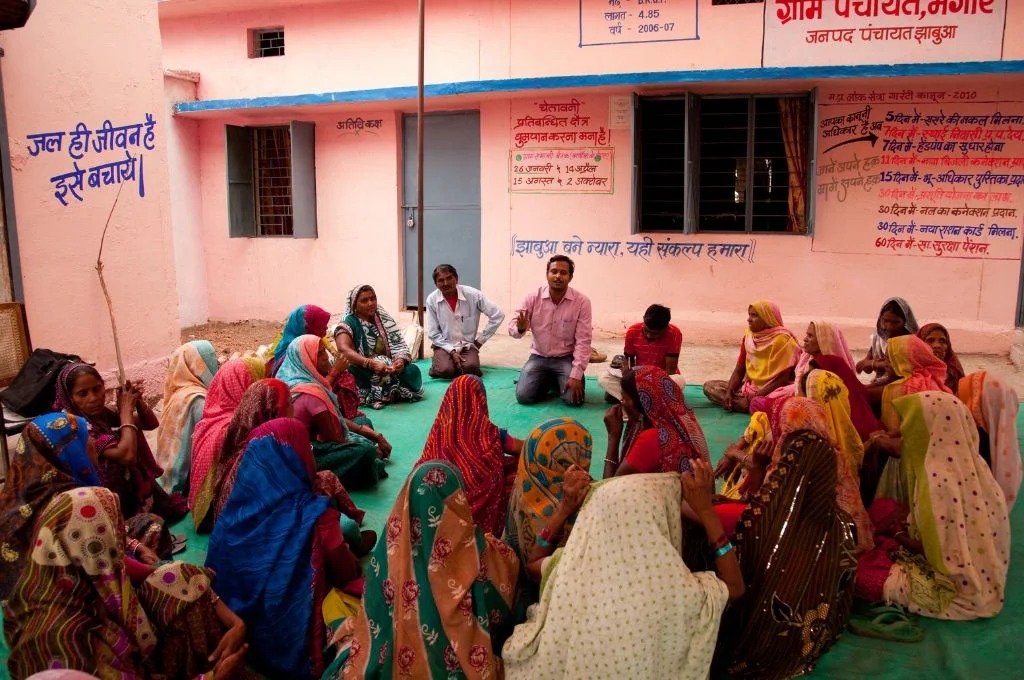
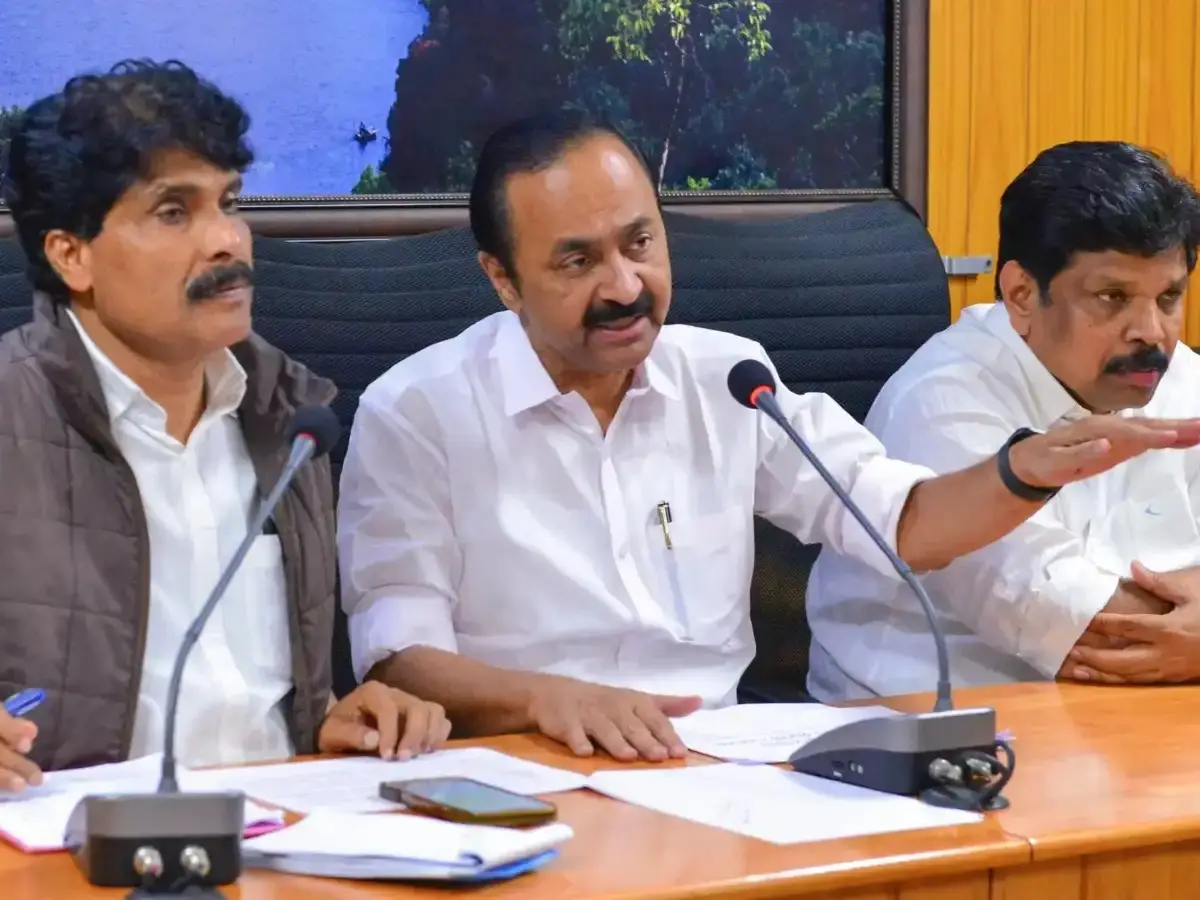
BENGALURU – Karnataka’s Minister for Rural Development and Panchayat Raj, Eshwar B. Khandre, has called upon all Gram Panchayats across the state to strive toward transforming their villages into "ideal" units of development. Speaking on the importance of grassroots governance, the Minister emphasized that the empowerment of rural communities remains a primary objective for the state government as it prepares for the upcoming electoral cycle.
The Minister’s call to action comes at a pivotal time, with the state government finalizing the framework for its comprehensive climate action plans, which are designed to integrate local environmental management directly into the functioning of the state’s 5,994 Gram Panchayats.
Grassroots Governance and Climate Resilience
Under the state’s renewed strategy, each Gram Panchayat is expected to act as a hub for both infrastructure development and climate adaptation. Minister Khandre noted that local bodies are now being equipped with specific climate planning tools, covering areas such as water-use efficiency, agroforestry, and the cultivation of drought-resistant crops like millets.
This initiative is part of a broader state-level governance framework that aims to track 105 climate targets across various departments through 2030. Training programs are currently being conducted in all 31 districts of Karnataka to ensure that district and local officials are prepared to implement these decentralized sustainability measures effectively.
Upcoming Panchayat Elections
In addition to development goals, Minister Khandre announced that elections for Gram, Taluk, and Zilla Panchayats are scheduled to be held in October or November 2026. He confirmed that the process for delimitation and the finalization of the reservation matrix is currently underway. Once this administrative work is completed, the formal proposal will be submitted to the State Election Commission to initiate the polling process.
Minister Khandre also addressed concerns regarding fiscal management, urging Members of Parliament from Karnataka to advocate for the release of ₹2,186.20 crore in 15th Finance Commission grants, which he alleged has been withheld by the central government due to technical software issues. Despite these financial hurdles, the Minister reiterated that the state has prioritized water security, releasing ₹117 crore for rural drinking water projects and allocating additional funds to each rural assembly constituency.
Official Sources
The information regarding Panchayat operations and policy directives is based on official briefings provided by Minister Eshwar B. Khandre’s office and recent filings from the Rural Development and Panchayat Raj Department.
"Organizers stated that the government remains committed to strengthening rural infrastructure and ensuring that no rural household is left without support through schemes like the state's new employment guarantee program, VB-G RAM G," the Minister noted during recent media engagements.
Why It Matters
For the residents of rural Karnataka, the push to create "ideal" villages means more than just administrative changes; it involves a direct investment in local climate resilience and improved access to essential services. The integration of local climate action plans and guaranteed employment schemes is designed to reduce migration from villages, providing rural families with a more stable and sustainable livelihood.
Key Facts at a Glance
Ideal Villages: Minister Khandre has directed Gram Panchayats to prioritize sustainable, comprehensive development to transform villages into model communities.
Climate Integration: Karnataka is rolling out individual climate action plans for all 5,994 Gram Panchayats, focusing on water efficiency and agroforestry.
Election Timeline: Gram, Taluk, and Zilla Panchayat polls are slated for October or November 2026.
Funding Advocacy: The state is actively seeking the release of over ₹2,100 crore in pending 15th Finance Commission grants from the central government.
FAQ
1. What is the goal of the 'ideal village' initiative?
The initiative aims to empower local Gram Panchayats to take charge of their own infrastructure, environmental sustainability, and economic growth.
2. When will the next Panchayat elections take place?
Minister Khandre has indicated that elections for Gram, Taluk, and Zilla Panchayats are expected to be held in October or November 2026.
3. How are Gram Panchayats addressing climate change?
Each Gram Panchayat is drafting its own climate action plan to implement local solutions like drought-resistant farming and water conservation.
4. Where can citizens get information about these rural schemes?
Information is available through the Rural Development and Panchayat Raj Department’s official portals and local Zilla Panchayat offices.
Source: The Hindu, Hindustan Times, New Indian Express, GKToday