India is facing renewed calls to join the CPTPP to boost its manufacturing and export competitiveness. While potential membership offers significant GDP and welfare gains, it requires navigating complex domestic reforms and concerns regarding market protectionism and trade imbalances that have influenced India's cautious trade stance.
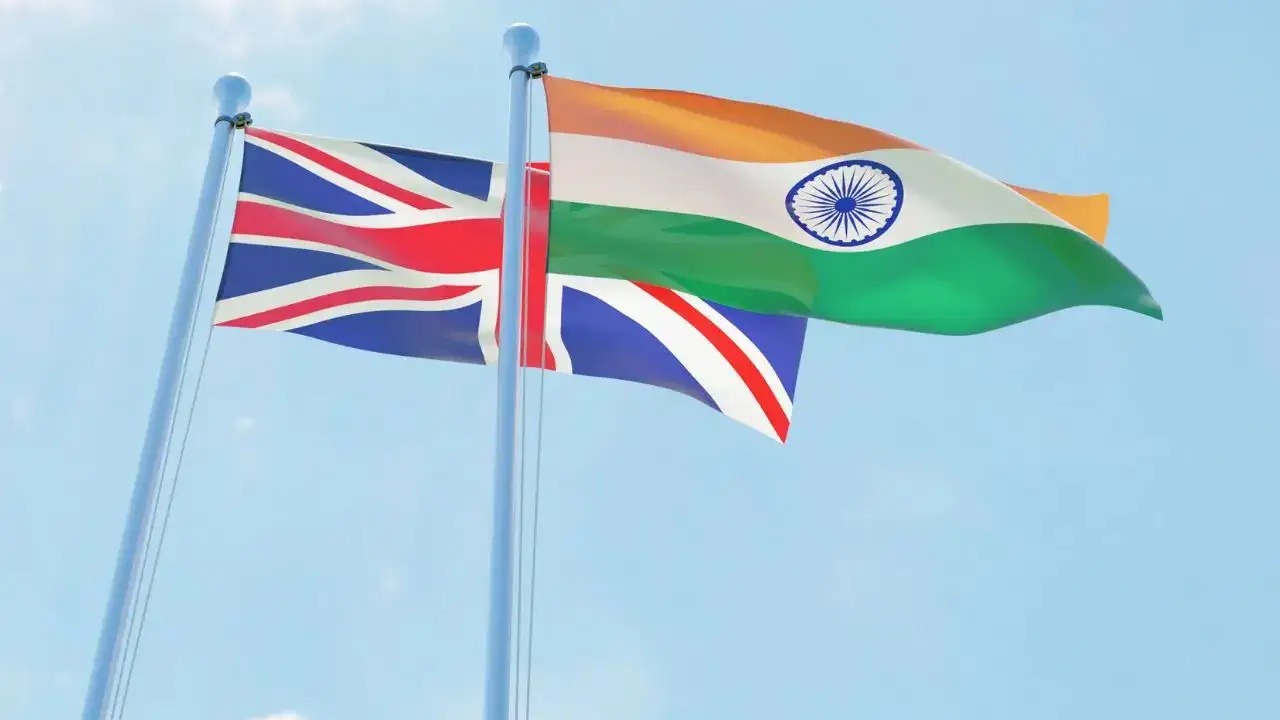
NEW DELHI — As India continues its push to emerge as a global manufacturing powerhouse, a growing chorus of trade experts and policymakers is advocating for the country to reconsider its stance on major international trade blocs. Following recent progress in bilateral trade deals, including negotiations with the United Kingdom, discussions have intensified regarding whether India should seek membership in the Comprehensive and Progressive Agreement for Trans-Pacific Partnership (CPTPP).
The debate centers on how India can best integrate into global value chains (GVCs) to sustain its economic momentum. According to recent analysis, the CPTPP—which represents approximately 15% of global GDP—offers a pathway for India to diversify its export markets and reduce its reliance on traditional, localized trade partnerships.
Strategic Economic Integration
India has historically maintained a cautious approach toward sweeping multilateral agreements, often citing concerns over trade deficits, domestic manufacturing protection, and the potential influx of cheap imports from economies like China. However, recent remarks from high-level officials, including NITI Aayog CEO B.V.R. Subrahmanyam, have signaled a shift in tone. Subrahmanyam has publicly advocated for India to explore membership in both the Regional Comprehensive Economic Partnership (RCEP) and the CPTPP, arguing that such moves would significantly bolster the competitiveness of India’s small and medium-sized enterprises (MSMEs).
"India is among the few nations not part of large trade agreements," Subrahmanyam noted at a recent industry event in New Delhi. He emphasized that participation in these blocs would be instrumental in helping Indian firms capitalize on the global "China plus one" supply chain diversification trend—an opportunity that countries like Vietnam, Indonesia, and Mexico have leveraged more effectively than India thus far.
The Case for CPTPP Membership
Joining the CPTPP would require India to adhere to high-standard trade regulations, including intellectual property protections, digital trade frameworks, and transparency standards for state-owned enterprises. While these requirements are stringent, proponents argue they would act as a catalyst for much-needed domestic economic reforms.
Dr. Jaimini Bhagwati, a Distinguished Fellow at the Centre for Social and Economic Progress (CSEP) and former Indian High Commissioner to the UK, has frequently highlighted the importance of India’s economic diplomacy. While India has been successful in negotiating bilateral deals, experts suggest that multilateral platforms provide a more robust framework for long-term growth. By reducing tariffs and harmonizing trade procedures, membership could significantly lower the cost of doing business for Indian exporters.
Challenges and Domestic Considerations
Despite the potential benefits, the path to membership remains complex. Joining the CPTPP involves comprehensive liberalization, which could pose challenges for sectors that have long benefited from protective tariffs, particularly in agriculture and dairy. Critics of such agreements often point to the risk of exposing vulnerable domestic industries to more efficient producers from member nations like Australia and New Zealand.
Furthermore, India’s experience with previous free trade agreements has been mixed. Economists warn that without internal modernization and a reduction in India's own tariff structures, the country risks facing the same trade imbalances that originally led to its withdrawal from RCEP negotiations in 2019.
Official Sources
According to official statements from the NITI Aayog and analysis from trade policy institutes, the focus remains on balancing self-reliance with global integration. Government representatives have previously highlighted the "sensitivities" involved in regional trade relations, particularly concerning China. However, the ongoing efforts to finalize trade agreements with the UK and other partners suggest that India is actively looking to expand its reach.
Why It Matters
For Indian businesses, travelers, and consumers, this potential shift in trade strategy could lead to a more consistent, transparent, and fair environment for commerce. Successfully integrating into a major bloc like the CPTPP would not only provide Indian goods with preferential market access but would also signal to international investors that India is committed to high-standard regulatory practices and global trade standards.
Key Facts at a Glance
Economic Scale: The CPTPP represents approximately 13–15% of global GDP.
Export Potential: MSMEs, which account for roughly 40% of India's exports, are identified as the primary beneficiaries of enhanced market access.
Structural Reforms: Membership would necessitate significant updates to India’s intellectual property rights and e-commerce regulations.
Global Positioning: Aligning with the CPTPP would support India’s goal of becoming the world’s third-largest economy by 2027.
FAQ
What is the CPTPP?
The Comprehensive and Progressive Agreement for Trans-Pacific Partnership is a major free trade bloc involving nations across the Asia-Pacific region, designed to eliminate tariffs and harmonize trade regulations.
Why did India previously opt out of similar deals like RCEP?
India withdrew from RCEP negotiations in 2019 due to concerns over trade deficits, particularly with China, and the impact of increased import competition on domestic industries and farmers.
What would India need to change to join the CPTPP?
India would likely need to lower its average tariff barriers, update its intellectual property frameworks, and meet stringent standards regarding state-owned enterprises and digital trade.
Source: Centre for Social and Economic Progress (CSEP), NITI Aayog, Australian Government Department of Foreign Affairs and Trade