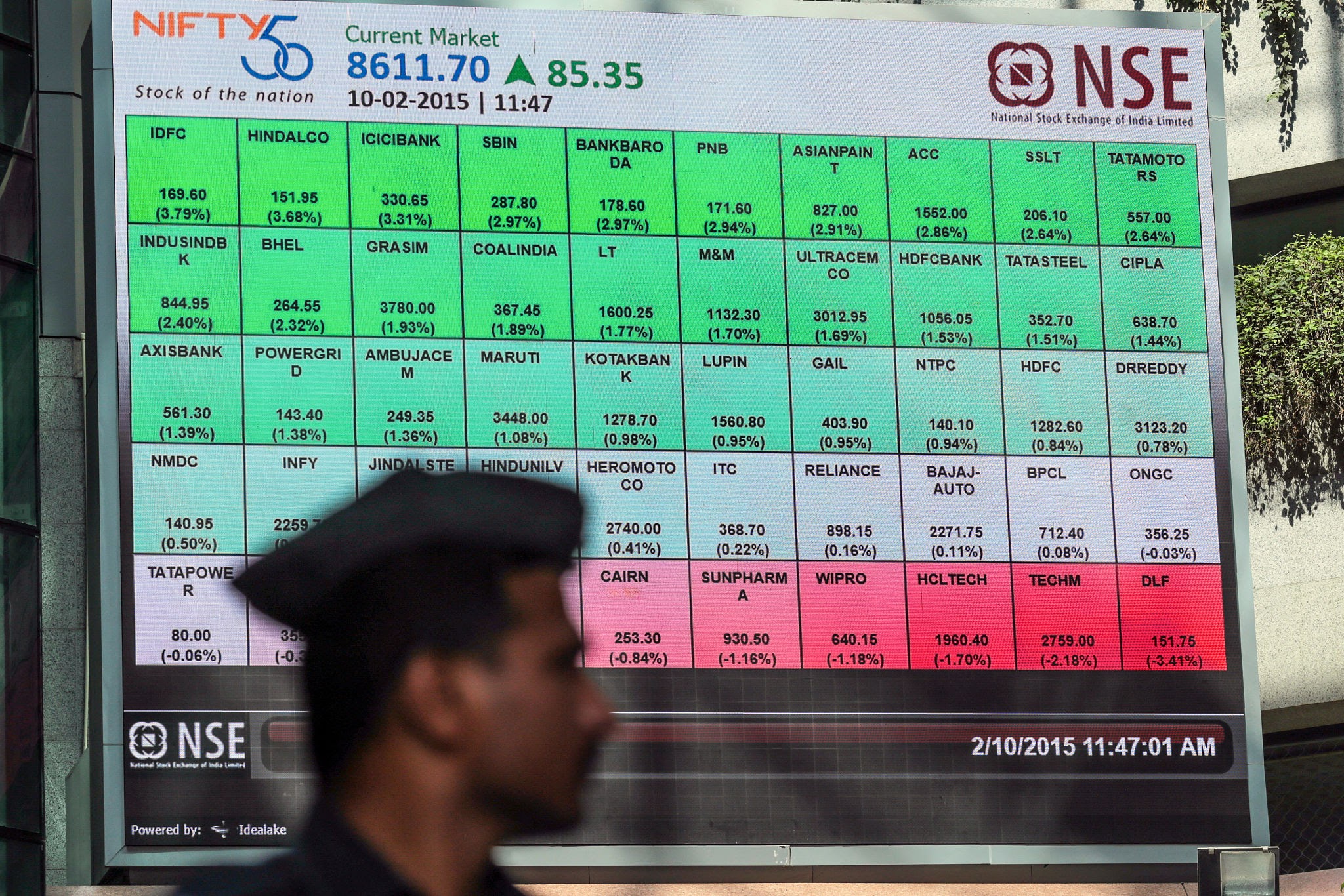
NSE Indices Limited launched the thematic Nifty500 Ahimsa Index in Mumbai. Designed for ethical portfolios, the index screens the Nifty 500 universe to exclude companies involved in weapons, tobacco, alcohol, gambling, and animal exploitation. The framework applies free-float market capitalization weighting with a strict 5% individual stock cap.
MUMBAI, India — NSE Indices Limited, a subsidiary of the National Stock Exchange of India (NSE), announced the launch of a new thematic index tracking ethical investments. The index provider officially introduced the Nifty500 Ahimsa Index on July 10, 2026. This new financial product screens the broad-market Nifty 500 universe to exclude companies involved in activities that conflict with values of non-violence, environmental sustainability, and social responsibility.
The launch comes amid growing domestic and international institutional demand for structured Environmental, Social, and Governance (ESG) frameworks within emerging market equities.
Screening Framework and Methodology
The Nifty500 Ahimsa Index utilizes a strict multi-stage exclusion framework applied to the parent Nifty 500 index. According to the structural methodology document published by NSE Indices, companies are automatically disqualified from selection if they derive any revenue from specified sensitive industries.
Banned sectors include weapons and defense manufacturing, tobacco production, gambling, alcohol, and industries tied directly to animal exploitation, such as leather production, meat processing, and animal testing for non-medical consumer items.
Beyond industry filters, the remaining eligible constituent firms are evaluated using a values-based compliance system. Companies must maintain strict compliance with global environmental regulations and labor practices.
The mathematical construction weights eligible stocks based on their free-float market capitalization. To avoid concentration risk within the portfolio, individual stock weights are capped at 5%, ensuring small- and mid-cap companies retain proportionate representation.
Market Context and Structural Alternatives
The introduction of the Nifty500 Ahimsa Index follows a broader trend where stock exchanges provide niche benchmarks to cater to specific institutional allocators. Prior to this launch, ethical indexing in India primarily focused on the Shariah compliance space or broad ESG ratings. Wealth managers note that the "Ahimsa" principles target a distinct intersection of vegan principles, anti-war mandates, and green finance priorities.
Data from the Securities and Exchange Board of India (SEBI) indicates that domestic mutual funds focused on sustainable frameworks have seen volatile inflows over the last three fiscal periods. Market analysts suggest that standardizing ethical mandates into an official index could help product issuers build exchange-traded funds (ETFs) and index funds with lower tracking errors.
Institutional Implications for Asset Management
For domestic asset management companies (AMCs) and foreign portfolio investors (FPIs), the index provides a standardized baseline for product creation. Previously, asset managers wanting to offer animal-welfare-friendly portfolios had to build custom active strategies, which raised operating cost ratios for retail unit holders.
The index undergoes structured rebalancing semi-annually in June and December. During these periods, constituent performance, regulatory adherence, and revenue sources are re-examined using public disclosures, financial filings, and certified third-party global ESG research databases.
Official Sources Section
The operational guidelines, eligibility metrics, and base values applied to this market index are sourced from the formal press statements and technical indices whitepapers distributed by NSE Indices Limited.
Quote Section
According to officials from the index development team:
"The Nifty500 Ahimsa Index addresses a structural gap for institutional and retail investors seeking compliance with non-injury principles across their equity allocations. By filtering out defense, animal testing, and heavy carbon polluters from a 500-stock baseline, we provide a transparent, rule-based product for ethical asset allocation."
Why It Matters
This development allows fund managers to launch passive investment vehicles targeting citizens who prioritize ethical stewardship alongside capital growth. It establishes a measurable financial standard for non-violent investment in India, which could influence corporate behavior as firms alter disclosure practices to stay eligible for these specialized capital pools.
Key Facts at a Glance
Parent Index Base: Drawn entirely from the broad market Nifty 500 index structure.
Exclusion Criteria: Disqualifies defense, alcohol, tobacco, gambling, and animal-based commercial exploitation.
Weighting Strategy: Free-float market capitalization methodology with a strict 5% cap per stock.
Rebalancing Schedule: Reviewed semi-annually every June and December based on updated corporate data.
FAQ Section
What makes the Nifty500 Ahimsa Index different from standard ESG indices?
While ESG indices evaluate overall governance and operational emissions, this index applies hard categorical exclusions against specific business sectors like animal exploitation, leather, meat, and weapons manufacturing.
Can retail investors buy shares directly in the index?
Investors cannot purchase shares of the index itself. However, asset management firms are expected to use this benchmark to launch retail-accessible ETFs and index mutual funds.
How does the index prevent a few large stocks from dominating the total weight?
The design applies a 5% security cap during the semi-annual rebalancing process, ensuring that massive blue-chip stocks do not crowd out smaller companies.
How frequently are companies screened for compliance?
The index undergoes regular review and rebalancing twice a year, in June and December, to incorporate changes in corporate revenue profiles.
Source: Official regulatory launch circulars published on July 10, 2026, by NSE Indices Limited and market announcements hosted by the National Stock Exchange of India.