The featured image depicts an onshore seismic exploration team conducting active land data acquisition using a heavy-duty vibrator vehicle array. This visualization directly matches the core theme of the report, demonstrating the industrial footprint and technical precision required to process complex subsurface 2D and 3D geological data.
NEW DELHI — State-run hydrocarbon major Oil India Limited has formally empanelled Asian Energy Services Limited (AESL) to provide comprehensive 2D and 3D seismic data services. The strategic development, announced via regulatory stock exchange filings, authorizes the Mumbai-based energy infrastructure specialist to bid for and execute critical onshore geophysical data acquisition and processing mandates across the country.
This contract empanelment is particularly important today as India intensifies its domestic exploration and production (E&P) actions to mitigate import dependencies. By bringing AESL's technical infrastructure into its core exploratory workflows, Oil India aims to accelerate its exploration timelines across newly allocated blocks under the Open Acreage Licensing Policy (OALP) and older fields requiring production enhancement.
Advanced Subsurface Imaging and Technical Scope
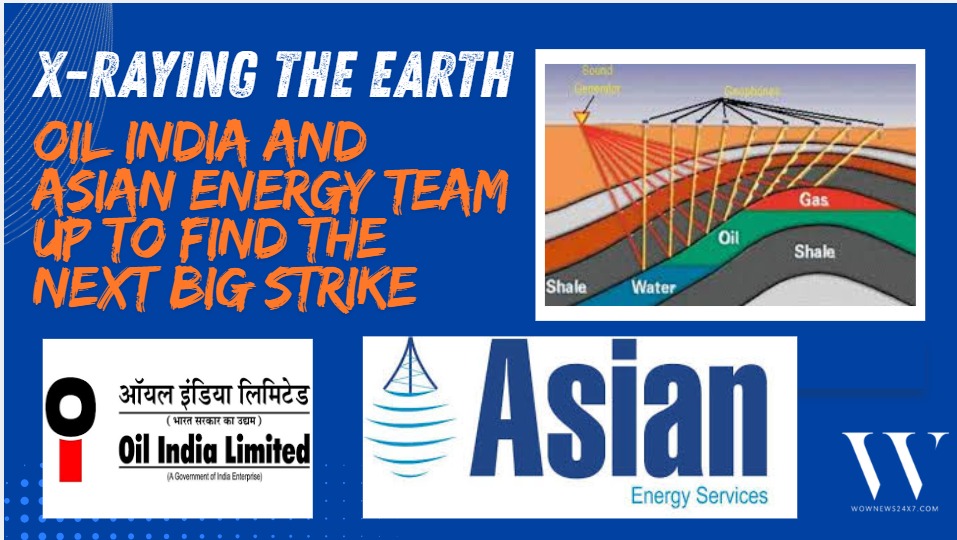
Under the terms of the empanelment, Asian Energy Services Limited will deploy its specialized field infrastructure to deliver high-resolution subsurface imaging. The technical scope encompasses both 2D land seismic data acquisition—primarily used for regional geological mapping and initial exploration—and carpet 3D seismic data services, which provide the high-density spatial volume imaging required for reservoir characterization and drilling point optimization.
The field operations will leverage cable-less point-receiver seismic hardware and advanced wireless recording technologies. According to technical specifications from Asian Energy Services, these systems allow real-time data monitoring and high-quality imaging even in challenging topographies like forests, marshes, and complex terrains. This technology eliminates the environmental footprint and logistical lag typically associated with traditional heavy cable arrays.
Strategic Impact on India's Hydrocarbon Sector
The partnership significantly impacts domestic energy security, upstream investors, and public sector spending.
For National Energy Strategy: Accelerates the National Seismic Programme (NSP-2) objective to systematically survey unappraised Indian sedimentary basins.
For Upstream Investors: The deployment of advanced 3D imaging lowers exploration risk by providing higher technical certainty before expensive exploratory drilling campaigns commence.
For Local Communities: AESL's standard operational framework involves recruiting a high percentage of local workers for field crews, driving short-to-medium-term employment in remote exploration tracts.
Geophysical service providers in India have faced a volatile demand landscape over the last decade. However, the Ministry of Petroleum and Natural Gas has heavily emphasized enhanced oil recovery (EOR) and aggressive exploration campaigns. This regulatory focus has translated into stable revenue pipelines for capable domestic oilfield service providers.
Official Announcements and Corporate Position
Market disclosures filed with the National Stock Exchange of India reveal that AESL has been steadily diversifying its operational base. While historically reliant on pure seismic data acquisition, the company has integrated engineering, procurement, and construction (EPC) workflows alongside operations and maintenance (O&M) services for production facilities.
A comprehensive credit rating overview issued by CRISIL Ratings indicates that AESL maintains a robust financial risk profile, characterized by an adequate liquidity position and a comfortable capital structure. Analysts note that the company's executable order book has achieved strong revenue visibility following major integrated services contracts from upstream giants like Vedanta Limited and ONGC, alongside its ongoing technical collaboration with the Geophysical Institute of Israel (GII).
Quotes from Industry Stakeholders
In official correspondence detailed in regulatory submissions to the stock exchanges, industry executives highlighted the procedural speed this empanelment guarantees.
"According to officials familiar with the upstream procurement process, formal empanelment allows public sector units to bypass lengthy initial qualification rounds, accelerating the deployment of seismic crews to active fields by several months."
In an investor brief outlining the company's long-term operating trajectory under its parent entity, Oilmax Energy Private Limited, corporate planners stated:
"The expansion of our geophysical service capabilities and empanelment with premier state-run explorers positions the organization to directly capture a significant share of upcoming public sector exploration budgets."
Why It Matters: Practical Implications
For the broader Indian economy and energy consumers, the deployment of targeted 2D and 3D seismic operations means faster discovery-to-production cycles. India currently imports over 85% of its crude oil requirements. Every successful exploration cycle driven by precise seismic profiling reduces the macro-economic strain of foreign exchange outflows and insulates national fuel security from volatile geopolitical supply shocks.
Key Facts at a Glance
Core Mandate: Oil India Limited has empanelled Asian Energy Services Limited (AESL) for onshore 2D and 3D seismic data services.
Technology Deployed: High-resolution wireless recording systems, cable-less point-receiver hardware, and specialized 3C subsurface imaging.
Primary Objective: Speed up geological mapping and structural reservoir identification under India’s expanding domestic exploration push.
Financial Standing: AESL holds a comfortable capital structure backed by an executable order book across major public and private oil majors.
Frequently Asked Questions
What is the difference between 2D and 3D seismic data services in oil exploration?
2D seismic surveys capture a single vertical cross-section of the Earth's subsurface, making them ideal for initial, wide-area exploratory mapping. 3D seismic surveys collect data over a continuous grid, generating a highly detailed three-dimensional volume that allows engineers to precisely visualize reservoir structures and plan production wells.
Why did Oil India choose to empanel Asian Energy Services Limited?
AESL is an established energy infrastructure and oilfield services company with over two decades of onshore operational history in India. The empanelment reflects their pre-qualification status, technical asset base, and proven safety record in handling complex terrains.
How does this agreement affect retail stock investors?
The empanelment provides AESL with a certified pathway to bid for highly valued public sector oilfield service tenders issued by Oil India. This enhances long-term revenue visibility for shareholders and expands the company’s core oil and gas services portfolio.
Where will these seismic data services be carried out?
While specific block deployments are determined by subsequent fast-track tenders, the services will primarily focus on Oil India’s extensive onshore assets located in the North-East (Assam, Arunachal Pradesh), Rajasthan, and other newly awarded exploratory blocks under India's commercial licensing rounds.
Source: Regulatory filings submitted to the Bombay Stock Exchange, Corporate Communications from Oil India Limited, and official asset summaries from Asian Energy Services Limited.