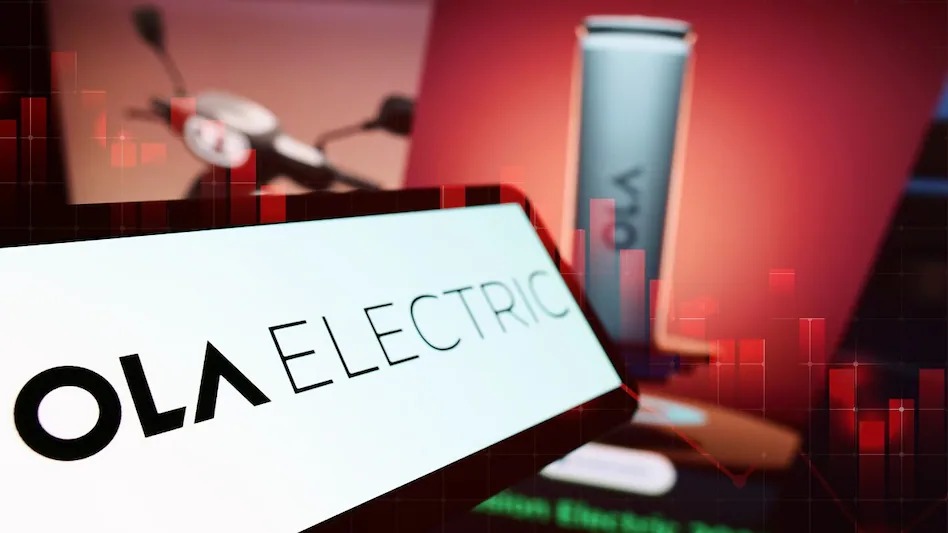
Ola Electric has shifted from its exclusive direct-to-consumer model by opening its sales and service network to independent dealer partners across India. Guided by Senior Advisor BVR Subbu, the asset-light strategy aims to accelerate market penetration, scale regional service capabilities, and support a growing base of electric vehicle users.
BENGALURU, India — Ola Electric Mobility Limited announced a structural shift in its retail strategy, officially opening its sales and service network to third-party dealer partners across India.
The strategic evolution moves the electric vehicle manufacturer away from its pure direct-to-customer (D2C) and exclusive company-owned store model. By integrating independent dealer partners, the company aims to scale execution, improve regional market penetration, and streamline after-sales support for its installed base of over one million riders. Former Hyundai Motor India President BVR Subbu has rejoined the organization as a Senior Advisor to guide this retail network transformation.
Strategic Shift and Retail Restructuring
Under the updated framework, Ola Electric is transitioning from a capital-intensive company-owned experience center model to an asset-light, dealer-led framework. While company-owned locations will pivot to focus primarily on brand experience and core product displays, local dealer partners will take charge of regional sales fulfillment and localized service workshops.
The structural change is designed to optimize capital expenditures while accelerating the physical footprint needed to support growing consumer demand for electric two-wheelers and upcoming motorcycle portfolios.
Consumer Impact and Market Reach
For consumers and prospective electric vehicle buyers, the expansion of local sales and service touchpoints addresses previous bottlenecks related to maintenance turnaround times and regional delivery logistics. By leveraging the existing infrastructure of traditional automotive entrepreneurs, customers in tier-2 and tier-3 cities gain easier access to test rides, vehicle purchases, and warranty servicing.
Industry analysts note that strengthening local service reliability is critical for maintaining consumer confidence as the domestic electric vehicle market matures.
Official Sources Section
Details regarding the retail network transition and corporate updates are referenced from:
Quote Section
"According to official company statements, the network partner program amplifies the benefits of the existing footprint by collaborating with regional entrepreneurs to drive sustainable business growth and improve customer accessibility."
Why It Matters
Transitioning to an open dealer network allows electric vehicle manufacturers to scale operations rapidly without absorbing the entirety of real estate and staffing costs associated with company-owned stores. For the broader automotive market, this hybrid retail model bridges the gap between digital-first direct sales and traditional brick-and-mortar trust, setting a new precedent for EV distribution in emerging markets.
Key Facts at a Glance
Model Evolution: Ola Electric opens its sales and service infrastructure to nationwide dealer partners.
Leadership Update: BVR Subbu rejoins the firm as a Senior Advisor to steer the retail transformation.
Operational Goal: Shifts company stores toward experience hubs while dealers handle localized sales and service.
Customer Reach: Aims to improve service turnaround and delivery access for an installed base exceeding one million riders.
Frequently Asked Questions (FAQ)
What change has Ola Electric made to its sales model?
Ola Electric has transitioned from an exclusive company-owned direct-to-customer model by opening its sales and service network to independent dealer partners nationwide.
Who is advising Ola Electric on this retail transformation?
Former Hyundai Motor India President BVR Subbu has rejoined Ola Electric as a Senior Advisor to guide the network expansion.
How will company-owned stores function under the new model?
Company-owned stores will pivot primarily to focus on brand and product experiences, while authorized dealers manage localized sales fulfillment and service workshops.
What are the benefits for electric vehicle consumers?
Customers benefit from an expanded physical footprint, faster delivery access, and improved proximity to authorized service workshops for maintenance and repairs.
Source: Ola Electric, National Stock Exchange of India, Bombay Stock Exchange.