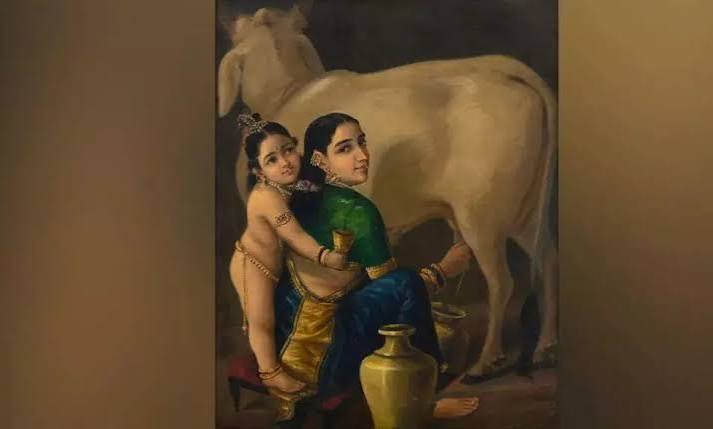
India's art market is experiencing rapid growth, driven by an influx of new domestic wealth and high-value transactions for modern masters. Rising institutional support and a younger demographic of collectors are expanding the market, elevating South Asian art on both national and international stages.
NEW DELHI — Driven by a surge in domestic wealth creation and soaring international interest, India's art market is experiencing an unprecedented boom, characterized by robust demand for canonical old masters and dynamic investments in emerging contemporary talent.
Major auction houses, private galleries, and art fairs across Mumbai and New Delhi report record-breaking sales volumes. This momentum reflects a structural maturation of the country's cultural economy, where high-net-worth collectors and institutional buyers are actively acquiring museum-quality works by modernist pioneers alongside cutting-edge contemporary installations.
The Intersection of Heritage Masters and Modern Capital
The current market expansion is powered by dual engines: the enduring valuation of the Progressive Artists' Group—including modern masters like S.H. Raza, F.N. Souza, and M.F. Husain—and an influx of "new money" from tech entrepreneurs, venture capitalists, and young corporate collectors entering the art ecosystem.
According to industry reports, auction catalogs, and art market indices:
Record Auction Turnouts: Leading auction houses have recorded multi-crore sales for rare canvases, outperforming historical benchmarks across South Asian art categories.
Rise of Young Collectors: A new demographic of tech-savvy, younger collectors is reshaping acquisition patterns, showing strong appetite for both established modernists and avant-garde contemporary artists.
Institutional and Gallery Expansion: Private museums, foundation-backed exhibition spaces, and international gallery partnerships are providing enhanced transparency and liquidity to the domestic market.
Official Sources Section
Quote Section
According to statements released by auction house directors and fine art market analysts:
"The convergence of generational wealth creation and a deep appreciation for India's modern art heritage has created a resilient, highly dynamic art market that continues to attract global attention."
Why It Matters
For investors, cultural historians, and contemporary artists, the robust expansion of India's art market elevates the global standing of South Asian art. Increased liquidity and institutional backing ensure that cultural heritage is preserved, documented, and traded within transparent ecosystems while supporting a vibrant generation of working artists.
Key Facts at a Glance
Market Drivers: Influx of new domestic wealth and high demand for modern masters.
Key Sectors: Modernist pioneers (Progressive Artists' Group) and contemporary multimedia art.
Buyer Demographic: Younger tech entrepreneurs, family offices, and established institutional collectors.
Cultural Hubs: Mumbai, New Delhi, and global diaspora auction centers.
FAQ Section
What is driving the current boom in India's art market?
The market is propelled by a combination of rising domestic wealth ("new money") and sustained high demand for canonical modern masters ("old masters").
Which artists are currently leading auction valuations?
Pioneering modernists associated with the Progressive Artists' Group—such as S.H. Raza, F.N. Souza, and M.F. Husain—consistently command top auction figures.
How is the buyer demographic changing in the Indian art scene?
A younger generation of tech entrepreneurs, startup founders, and family offices is entering the market, diversifying collecting tastes toward contemporary works.
Where can collectors find official auction results and market reports?
Verified sales data, artist indices, and market reports are published regularly by major auction houses like Sotheby's and Christie's, alongside cultural ministry disclosures.
Source: Ministry of Culture, Sotheby's, Christie's