Nayara Energy has cut petrol prices by ₹5 and diesel by ₹3 per litre as global crude oil costs soften. While private retailers offer relief, state-owned OMCs maintain current prices, citing a need to recover losses incurred during recent supply disruptions, even as they lower rates for LPG and ATF.
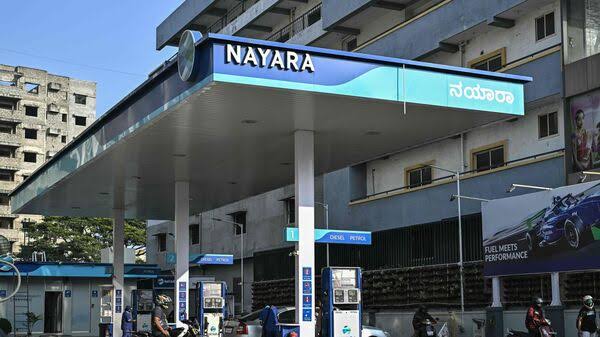
NEW DELHI — Pressure is mounting on India’s state-owned oil marketing companies (OMCs) to lower retail fuel prices after private refiner Nayara Energy announced a nationwide reduction in petrol and diesel rates, effective July 1, 2026. Nayara, the country’s largest private fuel retailer, cut petrol prices by ₹5 per litre and diesel by ₹3 per litre across its network of over 7,000 stations, citing a recent softening in global crude oil benchmarks.
The move marks the first downward revision in retail auto fuel prices by any oil marketing firm in more than two years. In contrast, major public sector undertakings (PSUs)—including Indian Oil Corporation (IOC), Bharat Petroleum Corporation Limited (BPCL), and Hindustan Petroleum Corporation Limited (HPCL)—which account for over 90% of the domestic fuel retailing space, have kept their pump prices unchanged.
Geopolitical Tensions and Crude Market Normalization
The price revision by Nayara Energy comes as international crude oil prices have retreated to pre-conflict levels. Brent crude was trading near $72 per barrel on the Intercontinental Exchange, a significant drop from the highs seen earlier this year when hostilities in West Asia and disruptions in the Strait of Hormuz created fears of a global energy supply bottleneck.
The Indian crude oil basket has similarly moderated, averaging near $70.58 per barrel as of early July, down from the June average of over $83. With shipping corridors through the Strait of Hormuz now operating normally, market volatility has subsided, prompting private players to pass on some of the benefits to consumers.
Public Sector Stance and Market Disparity
While OMCs have notably reduced prices for other petroleum products—slashing aviation turbine fuel (ATF) by nearly ₹5 per litre and commercial LPG cylinders by ₹183.50 as of July 1—they have not yet followed suit for petrol and diesel.
Industry sources suggest that PSU OMCs are likely balancing their marketing margins after having absorbed significant losses during the peak of the West Asian conflict. In March 2026, government estimates indicated that under-recoveries on petrol and diesel were as high as ₹26 and ₹81.90 per litre, respectively, when crude prices were surging. By maintaining current prices, these state-owned firms are focused on recovering previous losses and ensuring long-term fiscal stability before committing to a broad-based retail cut.
Impact on Consumers and Industry
The disparity in pricing has created a competitive friction point in the domestic market. For individual vehicle owners and fleet operators, the price cut at Nayara outlets offers immediate relief and may lead to increased footfall at private pumps.
Beyond retail auto fuels, the government has moved to normalize operations in the industrial sector. Effective July 1, the Ministry of Petroleum and Natural Gas lifted temporary restrictions on the bulk sale of petrol and diesel at PSU retail outlets. These restrictions, imposed in June to prevent hoarding and fuel diversion during the supply crisis, have now been removed, signaling increased confidence in the nation’s fuel supply security.
Key Facts at a Glance
Nayara’s Move: Petrol prices reduced by ₹5/litre and diesel by ₹3/litre across 7,000+ stations nationwide.
OMC Status: State-owned giants IOC, BPCL, and HPCL have not announced retail price cuts for petrol and diesel.
Other Reliefs: Commercial LPG cylinder prices were cut by ₹183.50, and ATF prices were reduced by nearly ₹5/litre, effective July 1.
Normalization: The government has lifted emergency restrictions on bulk fuel sales at retail outlets.
Market Context: International crude oil benchmarks have dropped to approximately $70-$72 per barrel, nearing levels seen before the West Asian conflict.
Frequently Asked Questions (FAQ)
Why did Nayara Energy cut fuel prices?
The company cited a softening in global crude oil prices as shipping operations resumed through critical maritime corridors, allowing them to pass on savings to consumers.
Are petrol and diesel cheaper at all fuel stations in India?
No. The reduction is currently limited to Nayara Energy outlets. Prices at state-owned fuel stations (IOC, BPCL, HPCL) remain unchanged.
Why haven’t state-owned OMCs cut petrol and diesel prices yet?
According to industry experts, OMCs are likely prioritizing the recovery of significant losses (under-recoveries) incurred during the period of high crude prices earlier this year.
What is the impact on commercial LPG and jet fuel?
OMCs have reduced prices for both commercial LPG and aviation turbine fuel, providing relief to the hospitality, catering, and airline sectors starting July 1.
Source: Nayara Energy, Ministry of Petroleum and Natural Gas, Livemint, The Economic Times