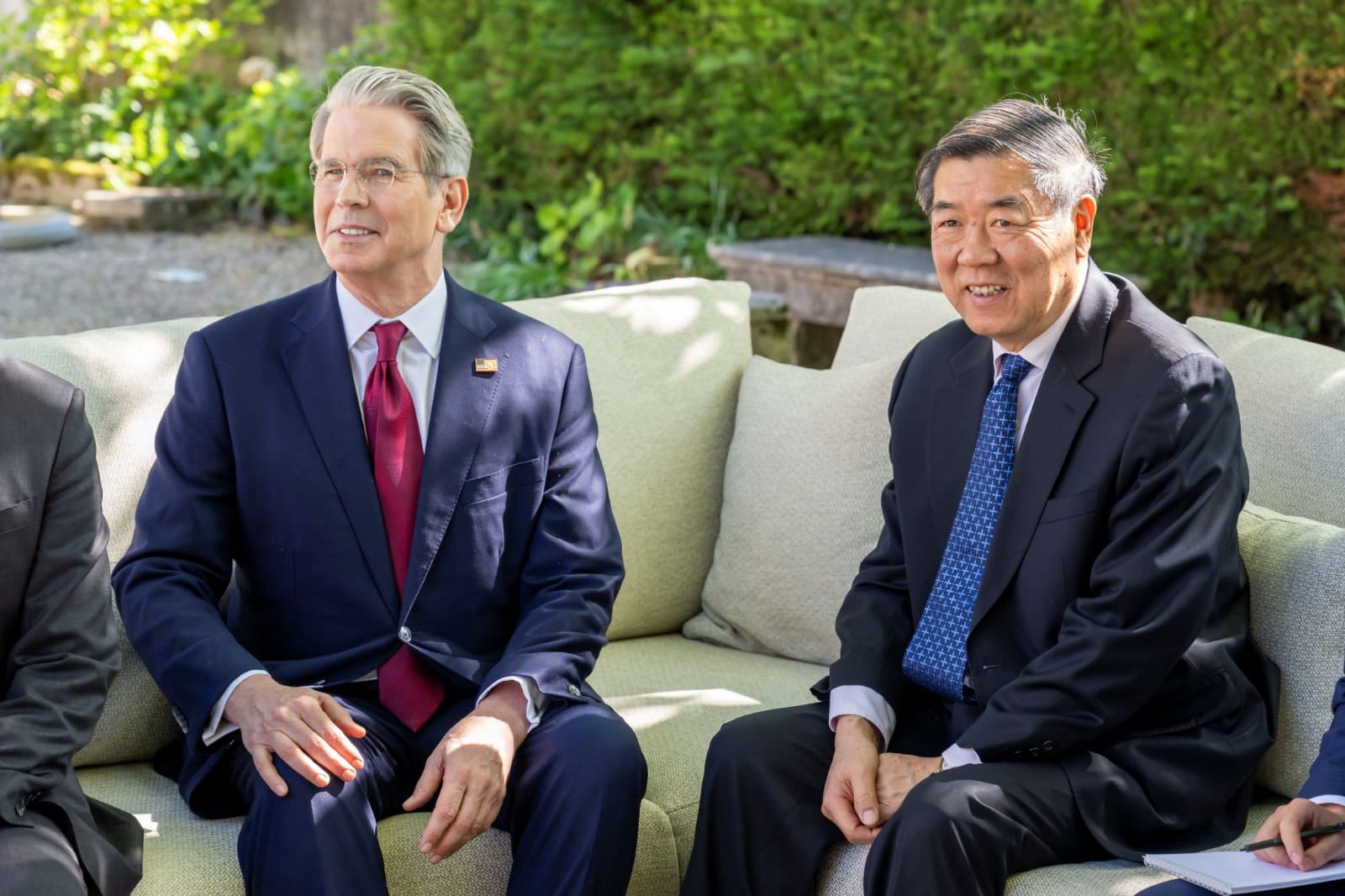
U.S. Treasury Secretary Scott Bessent announced an upcoming press conference regarding expanded economic enforcement against Iran. Bessent emphasized that major energy-importing nations, including China, share a strong interest in reopening the Strait of Hormuz to stabilize global oil transit and prevent further crude price volatility.
WASHINGTON — U.S. Treasury Secretary Scott Bessent stated on Thursday that Washington remains confident that major global economies, including China, share a baseline interest in reopening the Strait of Hormuz to restore global energy stability.
Speaking during an interview with CNBC, Secretary Bessent addressed whether impending U.S. economic enforcement measures would explicitly target Beijing for its trade relationships with Tehran. Bessent declined to discuss specific diplomatic conversations directly, stating that "some conversations are better kept private". However, he emphasized that all major importing nations are aligned on the necessity of unblocking the strategic maritime corridor.
The statements come as the U.S. Department of the Treasury prepares to announce additional economic enforcement measures against Iran on Monday, expanding Washington's broad economic campaign.
Economic Enforcement Framework and Global Market Impact
According to official statements from the U.S. Department of the Treasury, Washington is intensifying its campaign to economically isolate Iran following months of regional maritime disruptions.
The U.S. administration's shift toward maximum financial enforcement—dubbed "Operation Economic Fury" by Treasury officials—targets Iranian banking networks, digital asset flows, and overseas assets.
Addressing market reactions, Secretary Bessent noted that global energy markets appear to be misinterpreting the direction of U.S. policy. Following recent price upticks in crude futures, Bessent stated that maximum economic enforcement serves as an alternative to renewed kinetic military operations.
"If we are doing the maximum economic pressure, then that means that likely there will not be a large-scale kinetic restart," Bessent told CNBC. He added that China relies on the Persian Gulf for roughly 50 percent of its imported energy, making the restoration of free transit in the Strait of Hormuz a critical priority for Asian economies.
Iranian Position and Regional Disputes
In official statements released through state media, Iranian officials reiterated that Tehran will not allow transit through the Strait of Hormuz to resume without clear concessions.
Speaking to the Iranian Parliament, Speaker Mohammad Bagher Ghalibaf stated that the waterway would remain restricted until the U.S. adheres to provisions under the 14-point Memorandum of Understanding signed in June, including sanctions relief and the release of frozen assets.
Simultaneously, the Revolutionary Guard Corps (IRGC) Navy confirmed that maritime control over the passage remains active, contradicting U.S. assertions regarding imminent maritime reopenings.
Official Sources Section
Statements in this report draw from official broadcasts, government releases, and executive announcements, including:
"We are confident that everyone wants the Strait reopened, and for energy prices to come back down. Keep in mind that the Chinese get 50% of their energy from inside the Gulf." — Scott Bessent, U.S. Treasury Secretary
Why It Matters
The ongoing dispute over the Strait of Hormuz directly affects global supply chains, international shipping routes, and global crude prices. Because approximately one-fifth of global petroleum supplies pass through the narrow channel, prolonged closures or transit risks impose higher freight costs, increased insurance premiums, and persistent energy price volatility on global consumers and businesses.
Key Facts at a Glance
Press Briefing Set: U.S. Treasury Secretary Scott Bessent announced a major press conference for Monday regarding upcoming economic steps against Iran.
China's Energy Reliance: Approximately 50 percent of China's energy imports originate from the Persian Gulf region.
Shift to Financial Pressure: The U.S. strategy focuses on "Operation Economic Fury," prioritizing strict sanctions and economic isolation over renewed kinetic restarts.
Tehran's Demand: Iranian officials state that maritime access through the Strait will remain blocked until Washington fulfills commitments under the June Memorandum of Understanding.
Frequently Asked Questions
What did Treasury Secretary Bessent say regarding China's involvement?
Secretary Bessent noted that specific bilateral discussions are best kept private, but emphasized that China shares a major interest in reopening the Strait due to its reliance on Gulf energy imports.
When will the U.S. announce its next economic steps on Iran?
The Treasury Department is scheduled to detail its expanded economic measures during a formal press conference on Monday.
Why is the Strait of Hormuz critical to global energy markets?
The Strait of Hormuz handles approximately 20 percent of world petroleum shipments, making it the world's most vital maritime choke point for oil transit.
Source: Official statements from the U.S. Department of the Treasury, press releases via the White House, and updates from regional maritime authorities.