As citizens observe Friendship Day 2026 across India on Sunday, August 2, calendar discrepancies often confuse observers comparing domestic dates with global schedules. While the United Nations officially designates July 30 as International Day of Friendship, India follows a decades-old tradition of celebrating on the first Sunday of August.
NEW DELHI — Millions of citizens across India are observing Friendship Day 2026 on Sunday, August 2, maintaining a long-standing national tradition despite the global calendar recognizing a different official date earlier in the week. The divergence stems from two distinct historical origins: the United Nations' official designation of July 30 as the International Day of Friendship, and South Asia's adoption of the first Sunday of August as the traditional community observance.
The dual-date phenomenon creates recurring interest among consumers, retail markets, and digital platforms every August. Understanding why India continues its separate timeline offers insight into how global holiday concepts adapt to regional cultural rhythms and domestic economic patterns.
The Dual Calendar Framework: UN Declaration vs. First Sunday Mandate
The global foundation for friendship observances originated in 2011 when the United Nations General Assembly formally designated July 30 as the International Day of Friendship under Resolution 65/275. The resolution emphasized fostering peace, mutual understanding, and cultural harmony between communities, nations, and international organizations.
However, India's commercial and public adoption predated the UN resolution by several decades. India, along with several Asian and South American nations, adopted the convention established in the 1930s by Western greeting card industries, which designated the first Sunday of August for social gatherings. Because Sunday offers a full non-working day for students and working professionals, the weekend schedule stuck as the permanent national tradition.
Cultural Milestones and Media Influence in South Asia
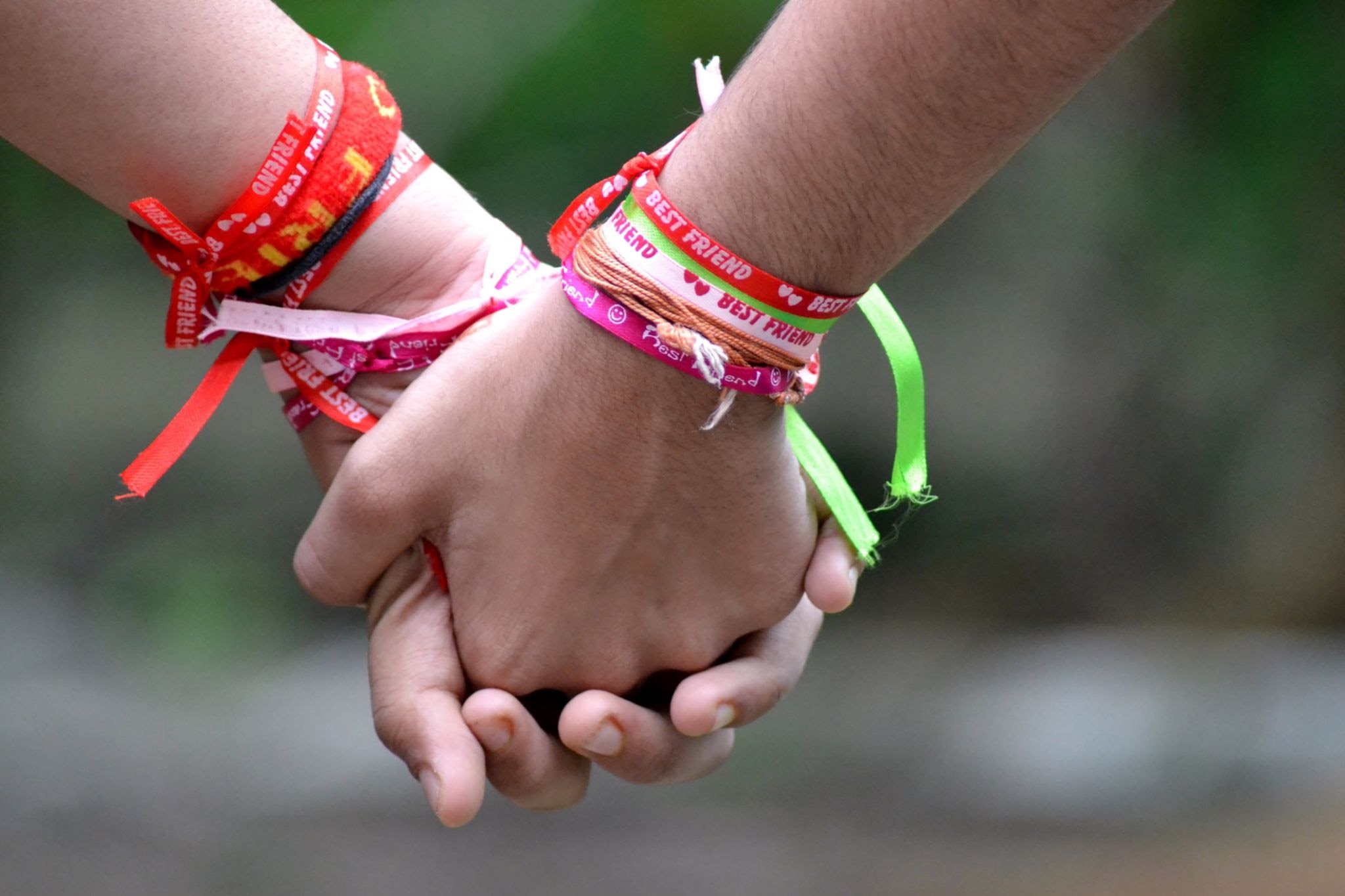
The widespread adoption of Friendship Day 2026 on August 2 in India is deeply rooted in popular culture and institutional practices. During the late 1990s and early 2000s, Indian cinema and youth television programs popularized physical symbols of friendship most notably multi-colored woven "friendship bands" exchanged among school and college students.
Educational institutions and social clubs across urban centers embraced the first Sunday of August because it allowed youth groups to organize weekend gatherings without interfering with academic timetables. Over the past three decades, this habit solidified into a major informal social holiday across major Indian metros, including Mumbai, Delhi, Bengaluru, and Kolkata.
Economic Footprint and Retail Market Impact
The timing of Friendship Day 2026 on the first weekend of August generates significant localized economic activity. According to market analyses from retail trade associations, the holiday drives short-term revenue spikes across multiple consumer sectors:
Hospitality and Dining: Restaurants, cafes, and entertainment venues experience increased weekend bookings as friends gather for social meals.
Gift and Stationery Manufacturing: Local artisans and stationery retailers report high sales volumes for wristbands, customized greeting cards, and novelty items during the leading week.
E-Commerce and Digital Services: Telecommunications operators and social messaging platforms record major surges in data traffic, gift deliveries, and digital greeting transfers.
Financial analysts note that holding the occasion on a Sunday maximizes consumer spending in urban markets compared to weekday observances like July 30.
Official Sources Section
Administrative documentation and historical declarations regarding friendship observances are published by official global bodies:
Official Statements and Quotes
"The International Day of Friendship was proclaimed in 2011 by the UN General Assembly with the idea that friendship between peoples, countries, cultures and individuals can inspire peace efforts and build bridges between communities."
— United Nations Official Observance Statement
"According to retail market analysts, celebrating Friendship Day on a Sunday ensures maximum participation across demographic groups, supporting small retail businesses and hospitality services throughout urban centers."
Why It Matters
Understanding the dual-date structure clears common confusion among international travelers, multinational companies, and social media users navigating global communications. For brands and retailers, aligning promotional schedules with the August 2 date ensures maximum engagement with Indian consumers. On a broader level, the continuation of India's distinct schedule highlights how global concepts are adapted to fit regional lifestyle preferences and community needs.
Key Facts at a Glance
Global UN Date: The United Nations officially recognizes July 30 as the International Day of Friendship.
Indian Tradition: India marks Friendship Day 2026 on Sunday, August 2, following the first-Sunday-of-August rule.
Historical Basis: The Sunday schedule originated from 1930s commercial calendars and was solidified by Indian youth culture in the 1990s.
Economic Sector Impact: Generates localized revenue boosts for hospitality, e-commerce, and retail gifting sectors.
Frequently Asked Questions
When is Friendship Day 2026 celebrated in India?
In India, Friendship Day 2026 is celebrated on Sunday, August 2.
Why does the UN celebrate Friendship Day on July 30?
The United Nations General Assembly officially declared July 30 as the International Day of Friendship in 2011 to promote international peace and cross-cultural understanding.
Do other countries celebrate Friendship Day on the first Sunday of August?
Yes. Aside from India, countries such as the United States, Bangladesh, and Malaysia traditionally celebrate Friendship Day on the first Sunday of August.
Source: United Nations, Ministry of Culture.