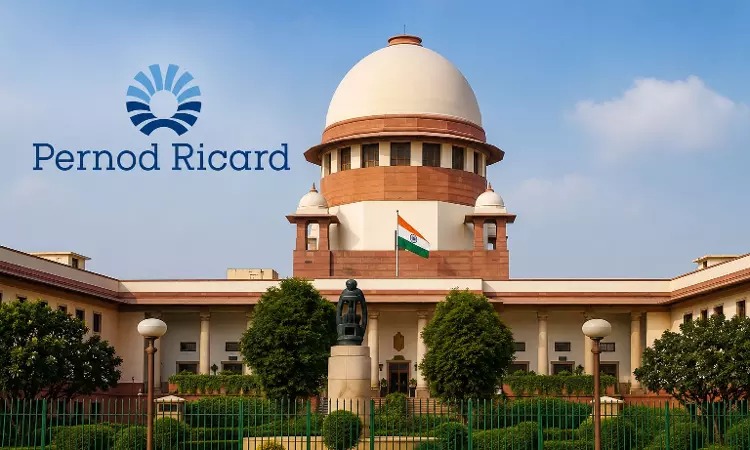
An Indian court has rejected Pernod Ricard's legal challenge against the denial of its liquor license application for sales in New Delhi, dealing a setback to the French spirits giant's retail and distribution strategy in India's capital territory and raising fresh questions about regulatory hurdles facing international alcohol brands in one of the country's most important urban markets.
A Regulatory Roadblock For The Spirits Giant
Pernod Ricard, the French multinational behind brands like Absolut Vodka, Chivas Regal, Jameson, and Royal Stag, had approached the court seeking to overturn the Delhi government's decision to deny it a liquor license for retail or distribution operations in the National Capital Territory. The court's dismissal of the challenge means the company will remain unable to operate directly under the contested license category, forcing it to rely on existing distribution partnerships or alternative licensing arrangements to maintain its market presence in New Delhi.
What The Ruling Means
The court's decision affirms the state government's authority to regulate liquor licensing and uphold eligibility or compliance criteria that licensees must meet. While the specific grounds for the license denial have not been publicly detailed, such rejections typically involve failure to meet statutory requirements related to location restrictions, ownership structures, financial disclosures, or adherence to excise policy norms. For Pernod Ricard, the ruling represents both a legal defeat and a potential operational constraint in a city where alcohol consumption and retail sales are tightly controlled.
Impact On Business Operations
New Delhi remains a critical market for alcoholic beverage companies given its high per-capita income, cosmopolitan demographics, and concentration of hospitality, retail, and nightlife establishments. Pernod Ricard's inability to secure the contested license may limit its ability to expand direct-to-retail channels or implement new distribution models that require standalone licensing. The company will likely continue to operate through licensed distributors and retail partners who hold valid excise permits, though this may reduce its operational flexibility and margin control.
Broader Regulatory Context
India's liquor industry operates under a complex web of state-level regulations, with each state and union territory maintaining independent excise policies, licensing frameworks, and pricing structures. Delhi has undergone multiple excise policy revisions in recent years, including a controversial overhaul in 2021-22 that was later rolled back amid allegations of irregularities. The fluid regulatory environment has created uncertainty for both domestic and international alcohol companies seeking to establish or expand operations in the capital.
Key Highlights
- Indian court rejects Pernod Ricard's challenge to liquor license denial for operations in New Delhi
- Ruling upholds Delhi government's authority to regulate liquor licensing and enforce eligibility criteria
- Pernod Ricard unable to operate under the contested license category in National Capital Territory
- Company owns global brands including Absolut Vodka, Chivas Regal, Jameson, and Royal Stag
- Specific grounds for license denial not publicly disclosed but typically involve compliance or regulatory issues
- Pernod Ricard will continue to rely on licensed distributors and retail partners for New Delhi market access
- New Delhi represents a high-value market given income levels and concentration of hospitality establishments
- Delhi's excise policy has undergone multiple revisions, creating regulatory uncertainty for alcohol companies
Sources: Court Order, Legal Filings, Market Reports, May 29, 2026