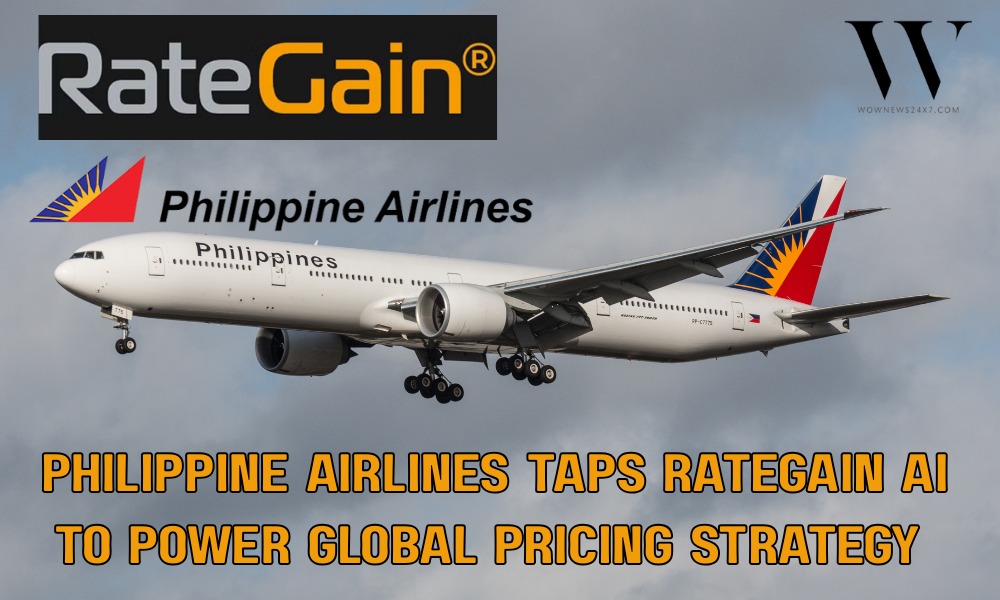
Philippine Airlines has partnered with RateGain to deploy the AirGain AI-powered pricing intelligence platform. The initiative aims to modernize the carrier's revenue management by providing real-time competitive data and daily automated insights, helping the airline optimize pricing and improve performance across its domestic and international flight network.
The flag carrier will deploy AI-powered tools to modernize its global pricing strategy and improve competitiveness across its transpacific and regional network.
MANILA — Philippine Airlines (PAL) has officially partnered with global travel technology firm RateGain to integrate the company’s AirGain platform into its revenue management operations. The collaboration, announced on July 7, 2026, marks a strategic effort by the Philippines' flag carrier to leverage artificial intelligence for real-time pricing intelligence across its domestic and international routes.
As the airline navigates a competitive aviation landscape spanning short-haul domestic flights and ultra-long-haul transpacific services, the partnership aims to provide the revenue management team with automated, data-driven insights. By utilizing RateGain’s technology, PAL intends to track fare movements across both direct and indirect channels, allowing for faster responses to market shifts.
Enhancing Revenue Management with AI
The centerpiece of this collaboration is the deployment of AirGain, which offers high-frequency rate shopping and real-time market visibility. The platform aggregates competitive data from more than 300 airlines, 170 online travel agencies (OTAs), and 50 meta-search platforms.
A critical component of this integration is the "AI Digest," a proprietary feature from RateGain that provides daily automated route-level insights. This tool is designed to identify pricing gaps and performance shifts, enabling the airline's commercial planning and revenue teams to make informed adjustments with increased speed and accuracy.
Strategic Objectives for Global Growth
For Philippine Airlines, the move reflects a broader industry trend toward digitizing commercial planning. With a focus on balancing profitability with competitive fare offerings, the airline aims to ensure consistency in pricing across its diverse distribution channels.
"RateGain gives our team better visibility into competitor pricing and market movements, helping us make more informed pricing decisions," said Christoph Gaertner, Vice President for Revenue Management, Commercial Planning & Alliances at Philippine Airlines.
The integration is expected to reduce the manual workload associated with fare monitoring, allowing revenue managers to focus on high-level strategy rather than routine data collection.
Official Sources
RateGain Travel Technologies Limited – Corporate press release and regulatory filing (July 7, 2026).
Philippine Airlines (PAL) – Official corporate statements regarding commercial planning and alliance strategies.
Why It Matters
In the current aviation climate, characterized by fluctuating demand and price-sensitive travelers, the ability to adjust fares in real-time is vital for profitability. For travelers, this partnership may result in more consistent and transparent pricing, as the airline gains a clearer view of market rates and demand patterns. For the broader industry, it underscores the increasing reliance on AI-driven SaaS solutions to manage the complexities of global airfare distribution.
Key Facts at a Glance
AI Integration: Philippine Airlines is adopting the AirGain platform to modernize its revenue management.
Global Reach: The platform monitors fares across 300+ airlines and 220+ digital travel platforms.
Daily Insights: The "AI Digest" feature provides automated, daily reporting on route-level performance and pricing anomalies.
Strategic Focus: The partnership targets increased efficiency in managing fare consistency across domestic and transpacific routes.
FAQ
What is the primary function of the AirGain platform?
AirGain is an AI-powered pricing intelligence tool that helps airlines monitor competitor rates in real time, identify market gaps, and optimize their own pricing strategies to maximize revenue.
How will this impact airline ticket prices?
While the tool is designed to help the airline stay competitive, its primary goal is to ensure that fares are aligned with market demand, potentially reducing price volatility and providing better value to passengers.
Does this partnership apply to all flights?
The technology will be utilized across Philippine Airlines’ network, covering both short-haul domestic routes and its international transpacific operations.