




Loading market data...
ADVERTISEMENT

Latest Top News
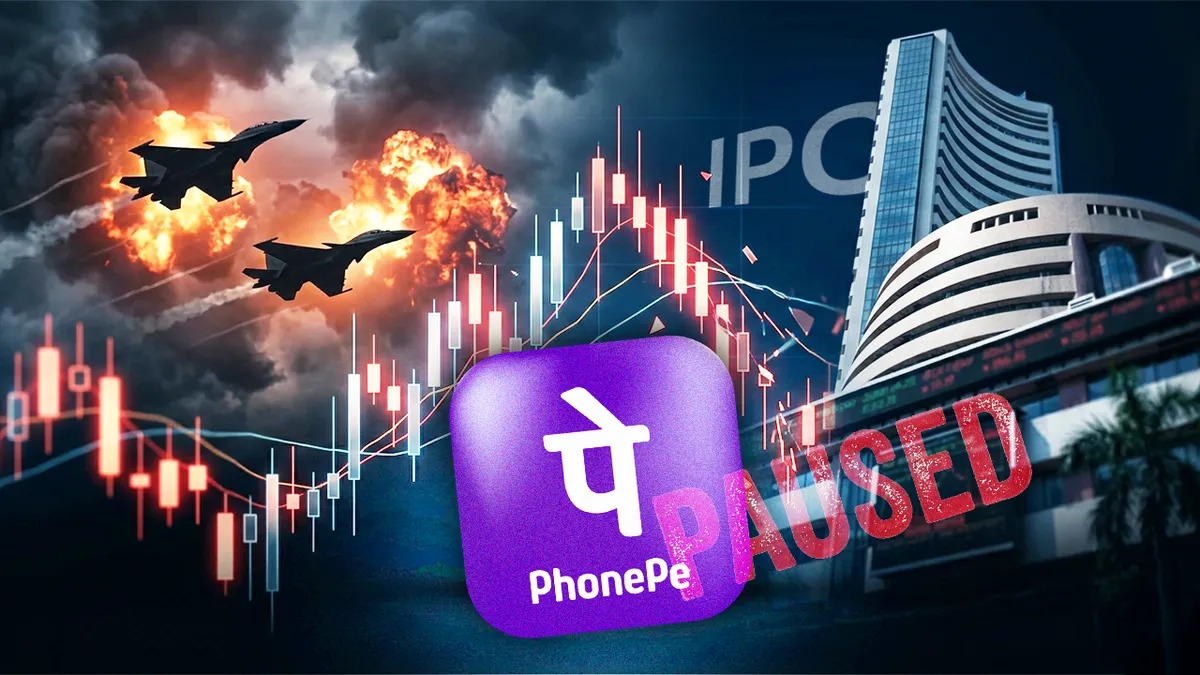
PhonePe IPO Pause: Strategy Or Valuation Tug-Of-War?
PhonePe has temporarily paused its much-anticipated IPO, citing global market volatility and geopolitical tensions. However, analysts suggest valuation concerns also played a role, with investor interest falling short of the company’s internal expectations. The move reflects a calculated balance between timing, market sentiment, and long-term growth ambitions.
Stay Ahead – Explore Now! Diesel Sale Capped and Fuel Resale Banned Across Maharashtra
ADVERTISEMENT

Latest Updates

Siri AI in iOS 27 Introduces Onscreen Awareness an...
16 Jun 2026, 06:20 AM
FOMO TO FMA - Global Uncertainty Meets Indian Opti...
16 Jun 2026, 06:53 AM
Starlink New Satellite Tech Hits India National Se...
16 Jun 2026, 06:14 AM
SpaceX Rally Extends After Record-Breaking Wall St...
16 Jun 2026, 06:08 AM
Spain vs Cabo Verde Match Result Ends in Historic...
16 Jun 2026, 06:01 AMADVERTISEMENT

Top Stories
Siri AI in iOS 27 Introduces Onscreen Awareness an...
16 Jun 2026, 06:20 AM
FOMO TO FMA - Global Uncertainty Meets Indian Opti...
16 Jun 2026, 06:53 AM
Starlink New Satellite Tech Hits India National Se...
16 Jun 2026, 06:14 AM