As project management evolves rapidly in 2025, the design of project management apps is undergoing a transformative shift to meet the complex demands of modern teams, especially distributed and hybrid workforces. Cutting-edge technology, smarter workflows, and engaging user experiences are centra...
As project management evolves rapidly in 2025, the design of project management apps is undergoing a transformative shift to meet the complex demands of modern teams, especially distributed and hybrid workforces. Cutting-edge technology, smarter workflows, and engaging user experiences are central to creating apps that enhance productivity, collaboration, and decision-making. This newsletter explores the most important aspects of project management app design today, highlighting key trends that define state-of-the-art solutions.
Key Highlights: Technology Meets User Needs
Artificial Intelligence (AI) and automation are revolutionizing project management apps by automating routine tasks, predicting delays, optimizing resource allocation, and offering data-driven insights to proactively manage risks and deliver successful projects.
Supporting remote and hybrid teams is paramount; cloud-based and mobile-first platforms equipped with real-time collaboration tools ensure seamless communication regardless of location or time zone.
Agile and blended project methodologies continue to influence app workflows, emphasizing flexibility, iterative planning, and quick adaptability while providing visualization tools to map project progress intuitively.
Security and data privacy remain critical, with apps implementing encryption, granular permission settings, multi-factor authentication, and compliance with global standards like GDPR to protect sensitive project information.
Emerging technologies such as augmented reality (AR) and virtual reality (VR) are beginning to enhance project visualization and immersive collaboration, particularly in sectors like construction and product design.
Design and Feature Elements Driving Innovation
AI-Powered Smart Assistance
Project management apps integrate AI assistants capable of auto-assigning tasks based on team members’ expertise and availability, forecasting project risks before they materialize, and generating summaries of meetings and updates for faster stakeholder alignment. These intelligent features reduce manual overhead and improve decision-making speed.
Remote-First Collaboration Tools
In response to persistent hybrid work models, apps focus on providing centralized hubs combining task management, communication channels, document sharing, and time tracking. Integration with popular platforms such as Slack, Microsoft Teams, Google Drive, and Notion minimizes context switching and streamlines workflows.
Agile and Hybrid Methodology Support
Flexible frameworks within apps allow teams to toggle between Agile, Waterfall, or hybrid methodologies. Features such as kanban boards, Gantt charts, sprint planning, and backlog management are tailored to fit evolving project requirements, enhancing transparency and adaptability.
Mobile-First and Responsive Design
Recognizing on-the-go access as a necessity, apps promote intuitive, clutter-free interfaces optimized for smartphones and tablets. Mobile versions support offline capabilities, push notifications, and quick task updates, enabling users to stay productive regardless of environment.
Data Visualization and Analytics
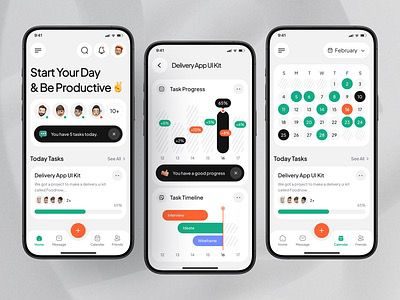
Rich, interactive dashboards present key performance indicators (KPIs), resource utilization, budget tracking, and project health metrics through customizable reports and visual elements. These insights empower project managers to make informed interventions.
User-Centric UI/UX with Split-Screen and Multi-Window Views
To accommodate simultaneous access to different project facets, modern designs employ split-screen layouts where users can monitor timelines while editing tasks or communicating with team members. This reduces cognitive load and enhances multitasking efficiency.
Security and Compliance Features
Secure data storage with encryption, role-based access controls, and compliance with international data protection norms create trustworthy environments, facilitating enterprise adoption and client confidence.
Future Outlook: Toward Immersive and Adaptive Project Management
As AR/VR technologies mature, project management will transcend traditional screens. Teams could conduct virtual walkthroughs of project sites or simulate planning phases in immersive environments, raising collaboration quality and accuracy.
AI models will become more predictive and prescriptive, evolving beyond identifying issues to recommending tailored solutions and automating corrective actions.
Increasing emphasis on sustainability and corporate social responsibility will see apps incorporating project impact tracking aligned with environmental and social governance (ESG) criteria.
Personalization engines will adapt interfaces and notifications based on individual user behavior patterns, improving engagement and reducing burnout.
Examples of Industry-Leading Platforms
Orangescrum showcases AI-driven project risk prediction, customizable workflows, and mobile collaboration supporting diverse teams and industries.
Tools like Asana, Jira, Monday.com, and ClickUp embody hybrid work adaptability and rich integrations that unify communication, task tracking, and documentation.
Emerging platforms experiment with AR capabilities to pioneer a new frontier in project visualization.
In conclusion, project management app design in 2025 is defined by intelligent automation, remote collaboration strength, user-centric interfaces, and secure, flexible frameworks. The seamless integration of AI, mobile access, and immersive technologies is empowering teams to manage increasingly complex projects with greater efficiency and insight, positioning these apps as indispensable in the modern digital workplace.
Sources: Orangescrum Blog, Codebridg, LinkedIn