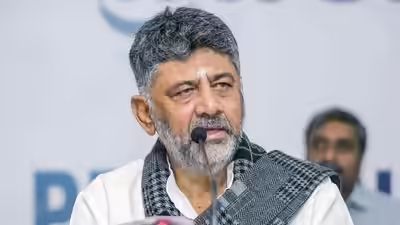
D.K. Shivakumar assumed office as the Chief Minister of Karnataka, rolling out an ambitious youth and infrastructure agenda. His opening cabinet decisions prioritized a Rs 2,000-crore Bengaluru road package, free student bus passes, a 56,000 government job recruitment calendar, and property regularizations, signaling a strong focus on urban infrastructure and employment.
BENGALURU, India — Governance in Southern India's primary technology hub entered a new era this month as D.K. Shivakumar officially took charge as the Chief Minister of Karnataka. Following a scheduled leadership transition within the ruling Congress party, Shivakumar was formally sworn into office at the Lok Bhavan in Bengaluru. Wasting no time in defining the focus of his new administration, the newly installed Chief Minister immediately convened his first Cabinet meeting to sign a series of sweeping executive orders. These initial policies target massive infrastructure spending in the capital city, state-backed employment frameworks, and expansive student welfare measures, cementing a major structural power shift inside the state's administrative center.
Directing State Funds to Capital Infrastructure and Real Estate
The opening policy maneuvers under the new administration indicate a deliberate focus on revitalizing metropolitan infrastructure and addressing long-standing real estate issues. During his initial media briefing, Chief Minister Shivakumar announced that the state cabinet has formally cleared a major Rs 2,000-crore road resurfacing and infrastructure development package dedicated to upgrading transit networks across the state capital.
According to executive updates published by the Government of Karnataka, the allocated funds will be deployed through coordinated projects overseen by the Greater Bengaluru Authority and the Bengaluru Development Authority. This aggressive spending plan directly addresses corporate and residential anxieties regarding metropolitan traffic bottlenecks and is expected to be completed within three to four months.
Simultaneously, the administration approved an expansive drive to stabilize local property regularizations under the 'Bhoo-guarantee' scheme. Dubbed the government's "sixth guarantee," the policy enables the conversion of B-Khata properties (unregulated or partially documented real estate listings) into stable, fully authorized A-Khata certificates across the state. This move is structurally designed to clear systemic property bottlenecks, allowing thousands of urban and rural property owners to legally access standardized civic utilities, secure proper documentation, and settle outstanding structural issues.
Transitioning Welfare Priorities to Youth and Jobs
Moving beyond the localized agricultural focus of past administrations, Shivakumar's opening decisions establish a state-backed architecture centered on youth development, academic accessibility, and formal employment tracking, declaring the beginning of a "new youth era" in Karnataka.
The first welfare directive approved by the newly formed cabinet establishes completely free bus passes for all enrolled students across the state. The order guarantees complimentary transport in all non-luxury state-run government buses for students pursuing their secondary, pre-university, undergraduate, or postgraduate degrees.
The administrative roadmap details three structural pillars for employment creation:
The Recruitment Calendar: The administration is enforcing a strict calendar deadline across all ministries to expedite the hiring process for 56,000 vacant government jobs, with notifications expected by the next cabinet meeting.
Private Employment Exchange: The Cabinet has mandated a specialized three-minister committee to build an online platform within 30 days, connecting private sectors like industries, hospitals, and hospitality groups directly with registered local job seekers, prioritizing opportunities for Kannadigas.
Gram Panchayat Mobilization: The state approved the formation of 10,000 Bharat Jodo youth associations across rural gram panchayats and urban wards. Each club will comprise 150 to 200 members and receive a government grant of Rs 10 lakh to develop local sports, culture, and leadership skills.
Managing Complex Internal Political Equations
While the administration has moved quickly on policy directives, managing internal coalition balances and rural economics remains a primary focus for the new political center. Senior Congress leader G. Parameshwara was sworn in as the state's Deputy Chief Minister, alongside a 13-member cabinet designed to maintain continuity across regional factions.
The composition of the cabinet reveals a meticulous political balancing act, incorporating veteran legislative figures to maintain continuity and limit party dissidence. Addressing a high-level review meeting with senior bureau chiefs, Additional Chief Secretaries, and police officials at Vidhana Soudha, Shivakumar emphasized that administrative machinery must respond immediately to public grievances.
The Chief Minister also expressed serious concern over the decline in the rural economy and increasing migration to urban areas. He declared that strengthening the rural economy, supporting horticulture and dairy farming, and ensuring equitable development will remain a core focus to prevent distressed rural migration into major cities.
Official Sources Section
The executive policy declarations, municipal fund allocations, real estate regulatory changes, and cabinet appointments detailed in this report are verified by formal government notifications from the Government of Karnataka and official press statements distributed by the Chief Minister's Office (CMO) in Bengaluru.
Quote Section
"For all students, whether they are in SSLC, PUC, degree, or postgraduate courses, we are giving free bus passes without charging anyone," Chief Minister D.K. Shivakumar stated to reporters following his inaugural cabinet session at Vidhana Soudha. "By the next cabinet meeting, we will call all departments and release a calendar indicating when notifications will be issued and how the recruitment process for the 56,000 jobs will begin."
According to official administrative briefings released by state organizers:
"The government has prioritized immediate issues concerning youth, student welfare, urban employment, and rapid metropolitan infrastructure development to ensure equitable growth across both urban hubs and rural districts."
Why It Matters
The swift policy adjustments executed by Chief Minister Shivakumar mark a transition toward aggressive urban development and market-driven economic planning. By pairing massive funding injections for public roads with real estate regularizations and state-sponsored employment exchanges, the administration is attempting to solidify its position among both working-class youth and the corporate elite. For businesses and technology firms operating in Bengaluru, these structural steps offer a predictable roadmap for infrastructural improvements and local talent acquisition.
Key Facts at a Glance
Leadership Transition: D.K. Shivakumar has officially assumed office as the Chief Minister of Karnataka, headlining a new cabinet.
Urban Infrastructure Boost: The new Cabinet immediately approved a Rs 2,000-crore road infrastructure development package for the greater Bengaluru region.
Student Welfare Rollout: The government has established free transit across non-luxury state buses for all registered students statewide.
Employment Drive: Modalities are being finalized to clear 56,000 vacant government jobs alongside creating a new private employment exchange.
Property Regularization: The administration is accelerating the conversion of B-Khata properties to A-Khata under the 'Bhoo-guarantee' scheme.
FAQ Section
1. Who is the Deputy Chief Minister under D.K. Shivakumar's administration?
Senior Congress leader G. Parameshwara was officially sworn in alongside Chief Minister Shivakumar to serve as the Deputy Chief Minister of Karnataka.
2. Which students are eligible for the newly announced free bus pass scheme?
The scheme covers all students across Karnataka tracking through SSLC, PUC, undergraduate, and postgraduate courses, allowing them free travel on non-luxury government-operated buses after applying.
3. How will the proposed private employment exchange function?
The administration is developing an online platform where industries, hospitals, hotels, and other commercial sectors can register their requirements, allowing local youth to register directly for jobs and training while prioritizing Kannadigas.
4. What is the timeline for the Rs 2,000-crore Bengaluru road package?
The road resurfacing program, which covers areas managed by the Greater Bengaluru Authority and the Bengaluru Development Authority, is slated for completion within three to four months.
Source: Official cabinet meeting logs, executive department orders, and high-level official review directories released by the Government of Karnataka.