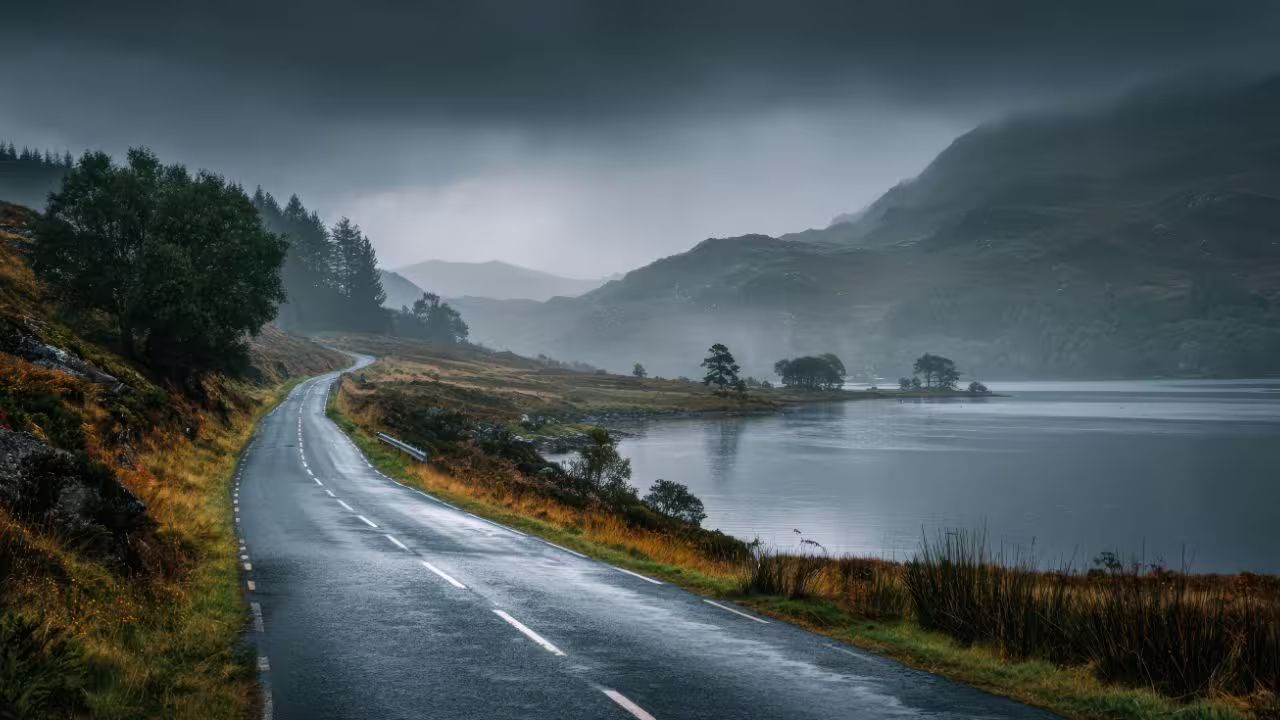
Driven by upgraded highway infrastructure and a growing interest in self-drive travel, a monsoon road trip across India has become a major seasonal economic driver. Routes through the Western Ghats and Southern India are seeing high traffic, boosting rural economies and shifting tourism focus toward remote, nature-centric homestays.
NEW DELHI, India — Immersive, seasonal driving tours across the Indian subcontinent are experiencing a major structural surge as the annual rainy season re-engineers domestic travel habits. According to tracking datasets compiled by the Ministry of Tourism, booking numbers for long-distance vehicle rentals, regional homestays, and self-drive itineraries have escalated across five primary geographical corridors. Driven by a collective consumer desire to witness localized ecological revivals, this seasonal transit pattern is actively redirecting commercial hospitality revenue into rural homestay networks and small-scale highway businesses.
Mapping the Five Primary Corridor Frameworks
State tourism corporations have identified five distinct trans-regional routes where seasonal travelers concentrate heavily during the rainy months. Data compiled by localized transit authorities indicate that travelers systematically prioritize routes that offer a balance of challenging geography and modernized asphalt quality.
According to transport logs published by regional desks, the five primary seasonal circuits include:
The Western Ghats Gateway (Mumbai to Mahabaleshwar): Running along the upgraded National Highway 48, this route exposes drivers to mist-laden mountain passes and active roadside waterfalls.
The Southern Rainforest Passage (Bangalore to Coorg): Traversing Karnataka's coffee heartlands, where seasonal precipitation significantly lowers ambient temperatures and clears forest canopies.
The Konkan Coastal Highway (Mumbai to Goa): Utilizing portions of National Highway 66, offering a combination of maritime vistas, heavy estuarine water flows, and seasonal seafood options.
The Nilgiri Mountain Trail (Mysore to Ooty): Winding through dense wildlife sanctuaries across Karnataka and Tamil Nadu, featuring distinct switchbacks and high-elevation cloud cover.
The Himalayan Foothill Sector (Chandigarh to Shimla): Providing wide-lane mountain driving that allows northern commuters to escape urban heat corridors immediately following the first seasonal cloudbursts.
Structural Adjustments and Infrastructure Safeguards
The rapid scaling of the seasonal self-drive market requires real-time coordination between municipal development boards and disaster response teams. According to safety protocols maintained by the National Highways Authority of India (NHAI), operations during high-precipitation periods mandate advanced geological monitoring to mitigate the threat of localized soil movements along mountainous terrains.
To accommodate the sudden influx of automotive travelers, the NHAI has implemented real-time digital alert systems across major toll plazas. These portals stream active lane conditions, expected visibility indices, and alternative routing maps directly to smartphone navigation platforms. Furthermore, regional transport bodies have deployed specialized vehicle extraction units at high-risk points along major hill roads, ensuring that mechanical breakdowns do not cause prolonged multi-hour gridlocks.
The Highway Transit Shift: Transport data reveals that modern travelers are increasingly bypassing standard air corridors during the rainy season to experience changing natural landscapes directly via rural highway systems.
This ground-level migration is delivering measurable financial boosts to communities situated far beyond major metropolitan city centers.
Economic Windfalls for Rural and Small-Scale Businesses
The operational realities of a multi-day monsoon road trip mean that consumer spending is distributed along an extended physical line rather than centralized in a single urban resort. Financial monitoring logs managed by regional cooperative banks indicate that roadside food stalls, traditional fuel stations, and small-scale agrarian marketplaces experience their highest quarterly revenue spikes during this period.
Homestay networks located inside high-precipitation zones, such as the estates of Coorg or the valleys of Mahabaleshwar, have adapted by offering specialized work-from-mountain packages. This allows long-term travelers to maintain their professional commitments over reliable broadband networks while remaining fully embedded inside changing seasonal environments.
Official Sources Section
The logistics guidelines, transit monitoring updates, and corporate travel statistics analyzed in this industry brief are drawn directly from official transport circulars distributed by the National Highways Authority of India (NHAI) and tourist arrival records managed by the Ministry of Tourism.
Quote Section
"The traditional travel calendar has been completely flattened by the rise of the weekend driving culture," stated a senior logistics analyst specializing in domestic transit trends. "A generation ago, heavy rains meant a total shutdown of leisure travel. Today, the start of the monsoon acts as a primary catalyst for vehicle deployments across the country's main highway grids."
According to official advisories published by regional tourism departments:
"The systematic modernization of our national highway networks has successfully made seasonal driving tours safe and viable, unlocking new revenue paths for independent homestay entrepreneurs operating outside of conventional urban centers."
Why It Matters
Monitoring the expansion of seasonal highway tourism is highly important for infrastructure planners, hospitality chains, and independent travelers. As seasonal driving tours transition from a niche hobby into a major economic driver, it pressures state governments to maintain rigorous, year-round road maintenance and advanced ecological safety measures. For the modern consumer, this shift demonstrates a practical optimization of personal leisure time, proving that domestic travel experiences can be substantially elevated simply by matching travel timelines with regional weather patterns.
Infrastructure Upgrades: The NHAI utilizes real-time electronic signs at main toll booths to update travelers on mountain road conditions.
Homestay Revenue Growth: Rural homestay networks inside coffee and tea growing sectors report a 35% revenue increase during peak rainfall months.
Strategic Safety Focus: Specialized rapid-deployment teams are stationed along hill routes to handle localized clearing and keep lanes open.
Diversified Geography: The current seasonal travel boom spans multiple regions, extending from the Konkan coast up to the lower Himalayan hills.
1. What are the most important vehicle safety checks before starting a monsoon road trip?
Drivers must thoroughly inspect the depth of their tire treads to prevent aquaplaning, verify that wiper blades function properly, confirm that all exterior lights are operational for low-visibility patches, and test the vehicle's braking system under damp conditions.
2. How are mountain road conditions monitored during periods of heavy rain?
The NHAI, alongside local public works departments, tracks vulnerable slopes using geologists and electronic sensors. Real-time updates regarding lane status or temporary diversions are broadcasted via toll apps and digital highway signs.
3. Is it difficult to find reliable overnight accommodations along these routes without booking ahead?
Due to a major surge in weekend travel among corporate employees, homestays and boutique properties along popular routes like Mumbai-Mahabaleshwar or Bangalore-Coorg often reach capacity quickly, making advanced reservations highly advisable.
4. Do these remote seasonal driving routes have adequate digital connectivity?
Major national highways maintain consistent mobile network coverage. However, deep valley segments or high-elevation mountain passes can experience temporary signal drops, so downloading offline navigation maps in advance is recommended.
Source: Official highway safety briefs from the National Highways Authority of India (NHAI) and regional visitor tracking indexes compiled by the Ministry of Tourism.