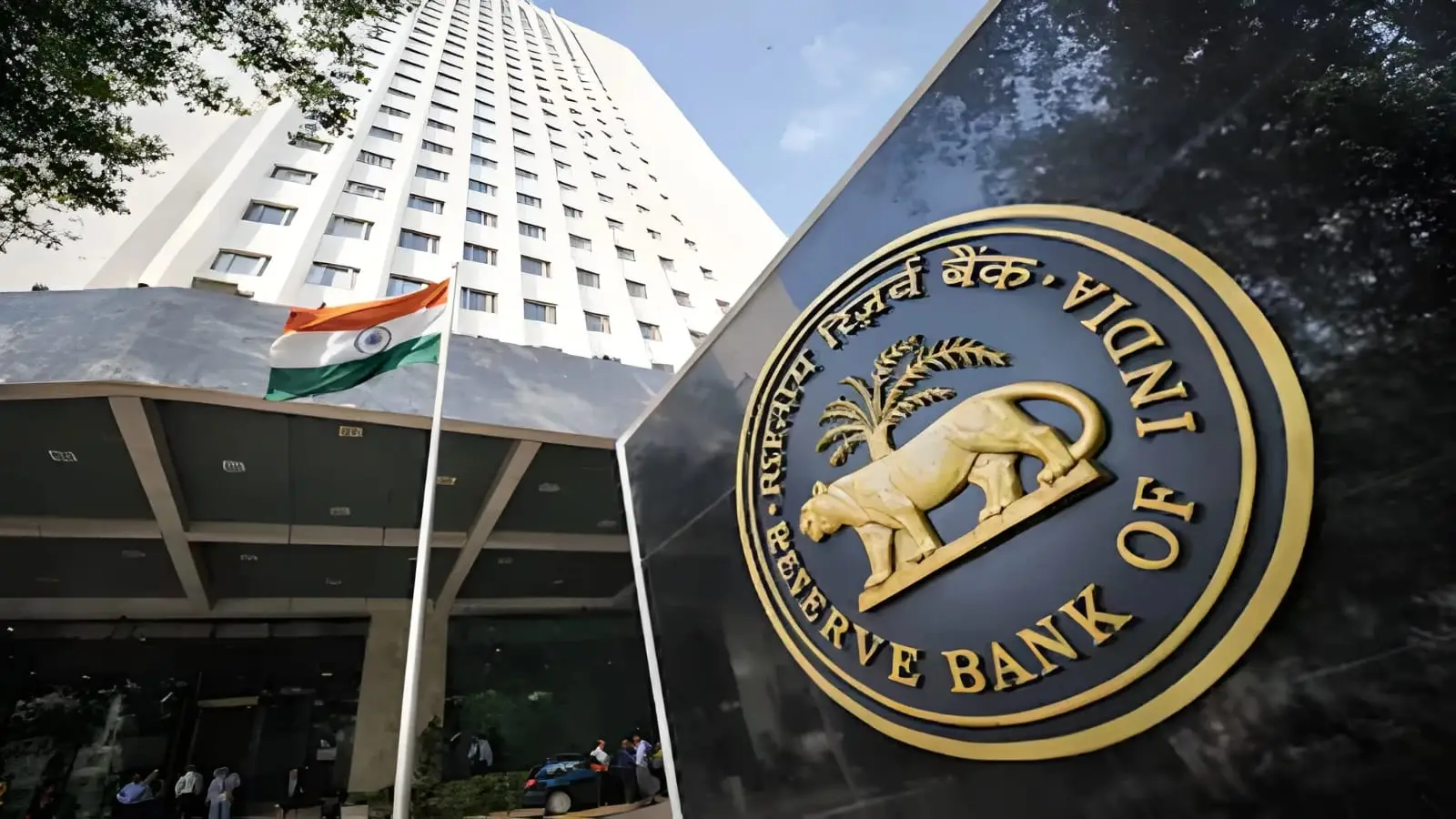
The Reserve Bank of India has expanded the scope of Special Rupee Vostro Accounts, allowing all permissible capital and current account transactions under FEMA to be settled in INR. Effective immediately, the policy permits Authorized Dealer banks to open these accounts for foreign banks, facilitating streamlined cross-border investments and bilateral trade.
MUMBAI — The Reserve Bank of India (RBI) announced a comprehensive expansion of its cross-border trade framework, permitting all permissible capital and current account transactions under the Foreign Exchange Management Act (FEMA) to be settled through Special Rupee Vostro Accounts. The directive, which takes effect with immediate effect, marks a significant shift in India’s regulatory approach to local currency internationalization. By widening the operational scope of these specialized accounts beyond basic trade invoicing, the central bank aims to reduce dependency on hard foreign currencies, streamline international banking operations, and provide global investors with an integrated mechanism for executing both trade and investment transactions directly in Indian Rupees (INR).
Expanding Cross-Border Trade to Capital and Current Accounts
According to the official declaration by the Reserve Bank of India, the settlement of cross-border trade transactions through Special Rupee Vostro Accounts serves as an additional arrangement for the invoicing and settlement of exports and imports in INR. Previously restricted primarily to direct trade invoicing, the mechanism now covers the entire spectrum of permissible transactions governed by FEMA guidelines.
This policy advancement means that foreign entities and Indian businesses can utilize these accounts to execute not only import and export payments but also capital account transactions, such as foreign direct investments (FDI) and external commercial borrowings (ECB), provided they meet existing regulatory criteria. The central bank clarified that this framework functions as a complementary system to traditional cross-border payment structures, offering international counterparties a dedicated, market-determined alternative for financial settlement.
New Operational Guidelines for Authorized Dealer Banks
Under the updated regulatory framework, the central bank allows Authorized Dealer (AD) Category-I banks in India to open Special Rupee Vostro Accounts for the overseas branches of Indian banks as well as for foreign correspondent banks. This operational flexibility is designed to deepen liquidity in offshore rupee markets and create a more interconnected network for domestic currency settlement.
The RBI stated that the implementation of these instructions is immediate, requiring AD banks to align their transaction processing systems with the new guidelines without delay. By enabling foreign banks and overseas branches to maintain these accounts, the central bank provides a direct conduit for international clients to hold, manage, and deploy rupee balances within the regulatory parameters established under domestic law.
Funding Mechanisms and Inward Remittances
The Reserve Bank of India outlined specific criteria regarding how these accounts can be capitalized and managed by participating institutions. The regulatory body stated that Special Rupee Vostro Accounts may be funded exclusively through two primary channels:
Inward remittances received from overseas jurisdictions through standard banking networks.
Direct transfers from other existing, fully repatriable Indian Rupee accounts maintained in accordance with FEMA rules.
This funding protocol ensures that all capital entering the domestic financial ecosystem remains fully traceable and compliant with anti-money laundering (AML) and combating the financing of terrorism (CFT) standards. Furthermore, it guarantees that foreign institutional holders can smoothly transition balances between different repatriable accounts without facing bureaucratic or operational bottlenecks.
Strategic Impact on Internationalizing the Indian Rupee
For domestic businesses, exporters, and importers, the broadening of the framework minimizes foreign exchange conversion risks and lowers the transaction costs associated with converting domestic revenue into intermediate global reserve currencies. Corporate entities engaged in long-term cross-border projects can now manage both their operational trade expenses and capital investments through a single unified rupee architecture.
For global institutional investors and sovereign wealth funds, the expanded utility of Special Rupee Vostro Accounts provides a more predictable environment for deploying capital into India. By allowing capital account transactions to be processed directly through these accounts, the RBI has reduced the structural friction typically associated with entering and exiting the Indian market, positioning the domestic currency as a viable instrument for broader regional and global financial settlements.
Official Sources Section
The new mandates and operational modifications were introduced through an official regulatory notification issued by the central bank's central office in Mumbai. All compliance parameters, transaction limits, and institutional reporting requirements adhere strictly to the provisions detailed under the Foreign Exchange Management Act (FEMA), 1999.
Quote Section
"According to officials from the Reserve Bank of India, the integration of all permissible capital and current account transactions under the FEMA framework into the existing trade mechanism represents an additional arrangement aimed at facilitating broader international usage of the domestic currency for invoicing, exporting, and importing activities."
Why It Matters
The regulatory evolution offers practical implications for the commercial banking sector and corporate treasuries. By removing the strict separation between trade-only settlements and capital account management within these specific accounts, the RBI provides a simplified ledger system for foreign partner banks. This structural adjustment helps stabilize domestic foreign exchange reserves by absorbing cross-border trade shocks and fostering direct bilateral financial linkages with major trading partners.
Key Facts at a Glance
Expanded Scope: The regulatory update extends the account utility to cover all permissible capital and current account transactions under FEMA rules.
Immediate Effect: The central bank confirmed that all instructions related to the operation of these accounts come into force with immediate effect.
Institutional Access: Authorized Dealer banks are explicitly permitted to open these specialized accounts for foreign correspondent banks and overseas branches.
Authorized Funding: The accounts can be legally funded via inward international remittances or through direct transfers from other repatriable INR accounts.
FAQ Section
What are Special Rupee Vostro Accounts?
They are specialized, rupee-denominated bank accounts opened by domestic Authorized Dealer banks on behalf of foreign correspondent banks or overseas branches to invoice and settle cross-border financial transactions in Indian Rupees.
What types of transactions can now be settled through these accounts?
Following the latest central bank directive, all permissible current account transactions (such as trade payments and services) and capital account transactions (such as approved investments) under FEMA rules can be legally settled using this mechanism.
How can these accounts be funded under the new rules?
The accounts can be funded either via inward remittances from abroad through official banking channels or through direct transfers from other authorized, repatriable Indian Rupee accounts.
Is this mechanism mandatory for all cross-border trade?
No, the central bank has designated this framework as an additional, optional arrangement for invoicing and settlement, functioning alongside traditional foreign currency settlement systems.
Source: Reserve Bank of India