The Reserve Bank of India has announced a unified state government securities auction on July 21, 2026, enabling 12 states to raise ₹21,700 crore through debt loans. Managed via the E-Kuber platform, the tranches qualify for institutional SLR compliance and include dedicated non-competitive access channels for retail investors.
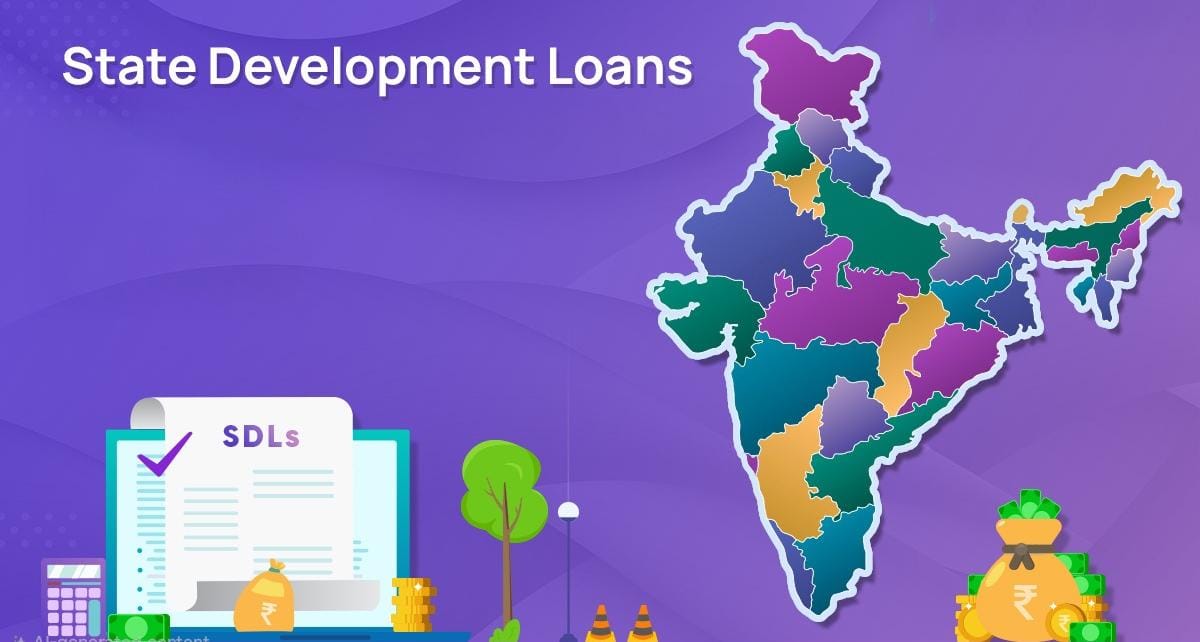
MUMBAI — The Reserve Bank of India announced on Friday, July 17, 2026, that 12 state governments and union territories will raise an aggregate amount of ₹21,700 crore through the sale of State Development Loans (SDLs). The extensive debt issuance will be processed through an automated auction format scheduled for next Tuesday, July 21, 2026. The capital raised will allow states to finance ongoing infrastructure developments, manage domestic expenditures, and balance regional fiscal deficits.
This dynamic borrowing initiative reflects a targeted shift by Indian states to secure long-term capital amidst changing financial market liquidity. The unified sovereign debt auction presents a critical point for commercial banks tracking mandatory liquidity compliance and retail investors seeking secure yields backed by sovereign guarantees.
Technical Details of the Sovereign Debt Auction
According to an official press release issued by the Reserve Bank of India, the financial transactions will take place on the central bank's proprietary Core Banking Solution (E-Kuber) platform. The upcoming debt sale includes a strategic mix of new issues featuring variable yield configurations and the re-issuance of existing State Government Securities (SGS) under standard pricing rules.
The individual borrowing mandates span across different tenors, matching short-term needs with extended maturities up to 22 years. West Bengal leads the operational auction by aiming to raise a combined ₹3,800 crore across 9-year and 21-year tenors. Madhya Pradesh follows with a total target of ₹4,400 crore, split between new 8-year and 12-year bonds alongside a re-issued 2048 stock. Meanwhile, smaller tranches include a ₹600 crore issuance by Delhi and a ₹700 crore re-issue by Jammu and Kashmir.
Participation Guidelines for Retail and Institutional Investors
To encourage participation from smaller investors, the monetary authority is utilizing the "Scheme for Non-competitive Bidding Facility". This structure allocates up to 10% of the notified auction amount to eligible individuals and retail institutions, capping single bids at 1% per stock.
Retail direct participants can submit electronic applications via the official RBI Retail Direct Portal. The operational window for competitive institutional bidding opens on July 21, 2026, from 10:30 A.M. to 11:30 A.M., while non-competitive retail submissions must close by 11:00 A.M..
The minimum nominal size for any state stock allocation is set at ₹10,000, progressing in exact multiples of ₹10,000 thereafter. Successful participants must complete their payments during standard banking hours on Wednesday, July 22, 2026, across designated settlement clearings in Mumbai and regional reserve branches.
State-by-State Breakdown of the ₹21,700 Crore Issuance
Institutional Significance and Statutory Regulatory Framework
For banking institutions operating inside India, these state government developments carry key statutory benefits. The Reserve Bank of India confirmed that all investments made in these state development stocks qualify as eligible investments under the Statutory Liquidity Ratio (SLR) mandates outlined in Section 24 of the Banking Regulation Act, 1949.
Additionally, the issued securities qualify for the ready forward facility, allowing commercial banks to utilize them as secure collateral during short-term repo market operations. The administration, interest payouts, and maturities of the assets will be governed by the legal provisions of the Government Securities Act, 2006, and the accompanying Government Securities Regulations, 2007.
Official Sources Section
According to official corporate and banking disclosures recorded under Press Release No. 2026-2027/707 by Ajit Prasad, Deputy General Manager of Communications at the central bank, the upcoming auction is structured to preserve standard market dynamics while offering adequate protections for retail liquidity.
Quote Section
"According to officials at the Reserve Bank of India, the auction will be conducted on the E-Kuber core banking solution platform on July 21, 2026, with interest for new securities paid out on a half-yearly basis until final maturity is reached."
Why It Matters
This coordinated ₹21,700 crore debt auction demonstrates how state governments rely on organized central bank platforms to sustain local development budgets. For institutional fixed-income traders, the uniform pricing and re-issuance approach provides a highly liquid venue to balance portfolio risk. Simultaneously, the inclusion of the Retail Direct framework allows everyday retail investors to access high-quality, government-backed returns that were historically dominated by institutional banks.
Key Facts at a Glance
Aggregated Issuance Target: 12 Indian state governments and union territories are seeking to collectively raise ₹21,700 crore.
Auction Timeline: The primary bidding process goes live electronically via the E-Kuber platform on July 21, 2026.
SLR Regulatory Status: All newly acquired state government stocks qualify for commercial bank Statutory Liquidity Ratio requirements.
Retail Accessibility: Individual market participants can join the auction directly through the dedicated RBI Retail Direct platform.
Interest Distribution: Returns will be distributed on a half-yearly basis, with payments scheduled for January 22 and July 22 each year until maturity.
FAQ Section
Q1: When will the results of the state loan auction be declared?
The results of the automated E-Kuber auction will be finalized and announced on Tuesday, July 21, 2026, with payment settlements taking place the following day.
Q2: What legal framework governs these state development loans?
The securities are fully issued under and governed by the provisions of the Government Securities Act, 2006, alongside the Government Securities Regulations, 2007.
Q3: How can retail investors purchase these state bonds?
Individual retail investors can place non-competitive bids seamlessly through the central bank's online RBI Retail Direct Portal.
Q4: Which state is raising the largest amount of capital in this auction?
Madhya Pradesh is raising the highest individual volume at ₹4,400 crore, followed closely by West Bengal at ₹3,800 crore.
Source: Reserve Bank of India Communications Department, RBI Retail Direct Core Portal.