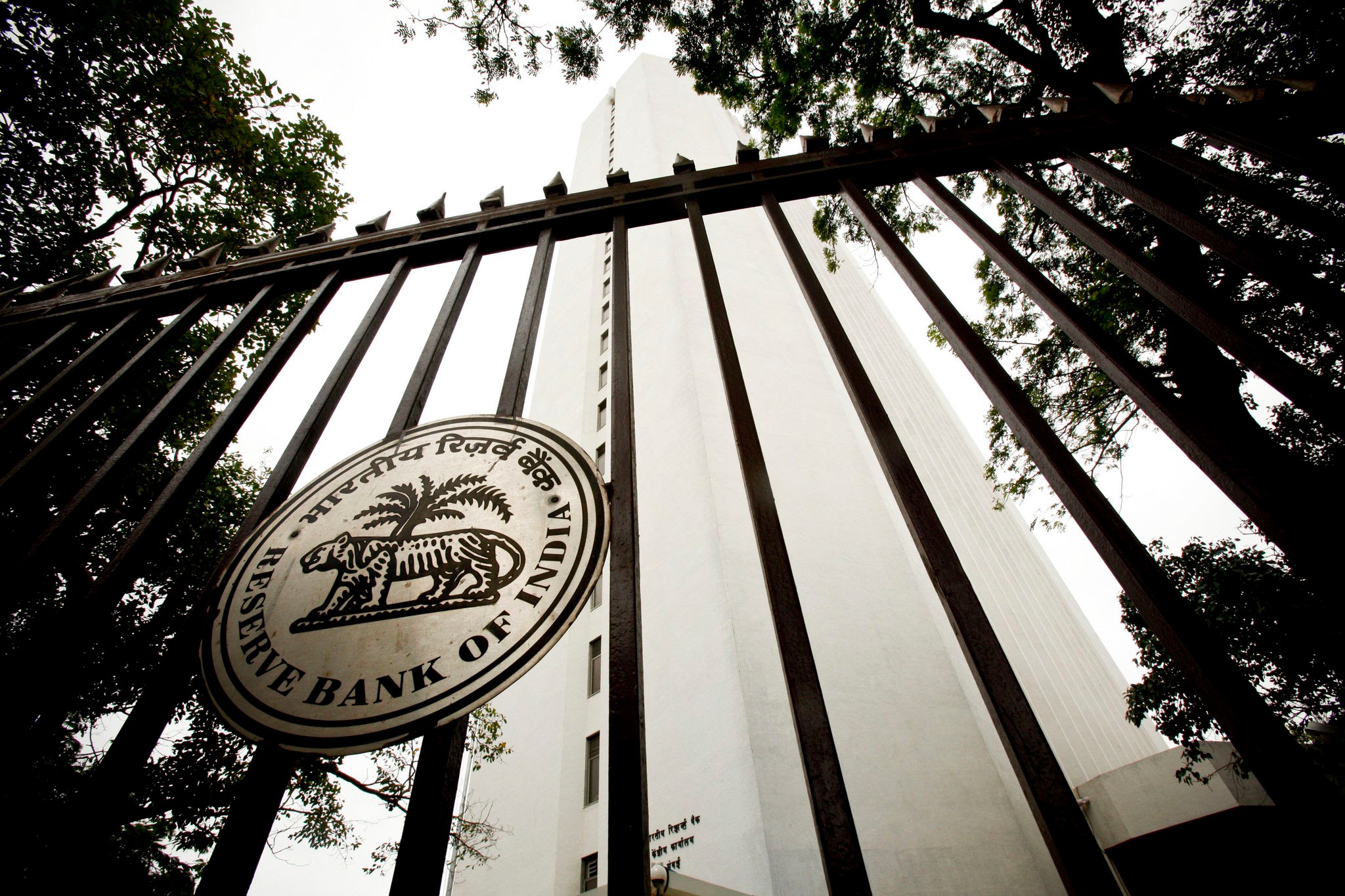
On July 23, scheduled commercial banks held 7.95 trillion rupees in total cash balances with the Reserve Bank of India (RBI). Official figures revealed zero government surplus cash available for auction, while commercial lenders accessed 4.83 billion rupees via the Marginal Standing Facility and 139.56 billion rupees through central bank refinance operations.
MUMBAI — Indian commercial banks maintained 7.95 trillion rupees in cash balances with the central bank on July 23, while government cash surpluses available for money market auctions fell to zero, according to official statistical disclosures released by the Reserve Bank of India (RBI).
The latest money market reporting provides financial institutions, investors, and policymakers with a clear picture of domestic liquidity conditions. Analyzing daily RBI bank cash balances offers a direct window into the overall cash flow within the Indian financial system, highlighting how commercial lenders manage their mandatory Cash Reserve Ratio (CRR) obligations relative to daily short-term liquidity demands.
Detailed Breakdown of RBI Money Market Operations
According to official data released by the Reserve Bank of India, short-term liquidity operations on July 23 reflected moderate borrowing demand from commercial lenders seeking to manage overnight funding requirements:
Commercial Bank Cash Balances: Scheduled commercial banks recorded cumulative cash balances of 7.95 trillion rupees with the RBI as of July 23.
Government Surplus Cash Balance: The Government of India surplus cash balance held with the central bank and reckoned for money market auction was reported at NIL.
Marginal Standing Facility (MSF) Usage: Indian commercial banks borrowed 4.83 billion rupees from the RBI through the Marginal Standing Facility window.
Central Bank Refinance Operations: Total standing liquidity facility and refinance availed by financial institutions stood at 139.56 billion rupees.
In money market operations, tracking RBI bank cash balances alongside government auction dynamics allows treasury desks to anticipate short-term interest rate movements in call money, market repo, and triparty repo (TREPS) markets.
Government Cash Dynamics and Liquidity Transmission
The reporting of zero surplus government cash for auction indicates that public treasury spending and tax inflows remained balanced on July 23. When government cash balances held at the central bank are elevated, the RBI periodically auctions these funds to inject durable liquidity back into the banking system. Conversely, a nil surplus balance signals that no additional short-term government cash was released into liquidity adjustment facility (LAF) channels on that date.
Meanwhile, the 4.83 billion rupees borrowed via the Marginal Standing Facility highlights isolated overnight liquidity adjustments by specific lenders. The MSF serves as an emergency window allowing banks to borrow funds overnight against Statutory Liquidity Ratio (SLR) securities at a penalty rate above the standard repo rate. Concurrent refinance drawdowns of 139.56 billion rupees demonstrate sustained utilization of specialized liquidity facilities by primary dealers and sector-specific financial entities.
Economists note that fluctuations in RBI bank cash balances directly reflect the underlying liquidity posture managed by the monetary authority. Stable reserves ensure that money market rates remain aligned with the central bank's key policy repo rate, preventing volatility in short-term lending.
Official Sources Section
The financial figures and operational metrics cited in this report were compiled using official releases published by monetary authorities and regulatory filings:
Reserve Bank of India (RBI): Daily Money Market Operations and Liquidity Report (July 23 bulletin).
Financial Markets Regulation Department (FMRD): Banking sector reserve position and standing facility disclosures.
Quote Section
"According to officials, daily money market operations and standing liquidity facility adjustments remain calibrated to preserve orderly trading conditions and maintain short-term money market rates within the policy corridor."
Why It Matters
Understanding daily central bank cash balances and borrowing trends carries practical significance across multiple economic sectors:
For Commercial Lenders & Corporate Treasury Desks: The absence of government cash auctions requires treasury managers to rely more heavily on interbank repos and standard LAF windows to optimize overnight fund deployment.
For Borrowers and Consumers: Consistent stability in overall RBI bank cash balances prevents sharp spikes in short-term interest rates, helping maintain predictable yields on commercial paper (CP), certificates of deposit (CDs), and short-term corporate debt.
For Investors and Bond Markets: Precise tracking of central bank refinance levels and emergency MSF utilization offers key signals regarding institutional cash distribution and banking system health.
Key Facts at a Glance
7.95 Trillion Rupees: Total cash balances maintained by scheduled commercial banks with the Reserve Bank of India on July 23.
Nil Govt Surplus: Zero government surplus cash was available for auction, reflecting neutral fiscal cash positioning with the RBI.
4.83 Billion Rupees: Overnight borrowing drawn by commercial banks via the central bank's Marginal Standing Facility (MSF) window.
139.56 Billion Rupees: Refinance and standing liquidity support availed by institutional lenders on July 23.
Frequently Asked Questions (FAQ)
What are RBI bank cash balances?
RBI bank cash balances refer to the mandatory and surplus cash funds maintained by commercial banks in their accounts with the Reserve Bank of India. These reserves meet regulatory Cash Reserve Ratio (CRR) mandates and serve as operational buffers for daily clearing and settlement operations.
Why was the Government of India surplus cash balance nil on July 23?
A nil balance indicates that the government did not hold excess idle cash balances at the central bank above its threshold limits for liquidity auctions on that specific date. This occurs routinely as fiscal revenues (such as tax receipts) and expenditures oscillate throughout the month.
What is the Marginal Standing Facility (MSF)?
The Marginal Standing Facility is an overnight liquidity window operated by the RBI that allows commercial banks to borrow funds against government securities when interbank market liquidity is constrained. On July 23, banks availed 4.83 billion rupees via this facility.
How do these numbers impact short-term interest rates?
When central bank cash reserves are healthy and standing facilities function smoothly, short-term money market rates such as the Weighted Average Call Rate (WACR) and TREPS rates remain stable within the RBI's policy interest rate corridor.
Source: