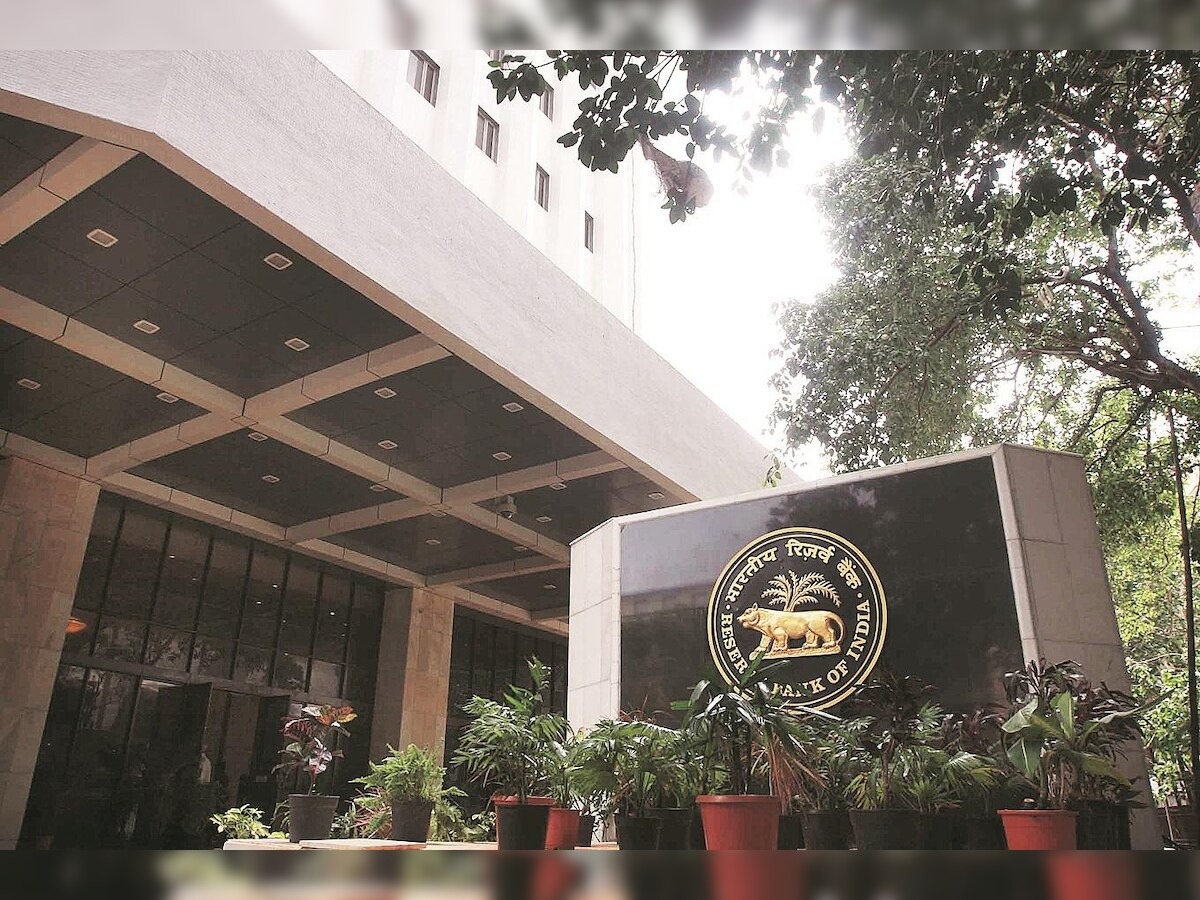
The Reserve Bank of India absorbed 958.10 billion rupees through a 7-day variable rate reverse repo auction at a 5.24% cut-off rate. The liquidity absorption initiative coincides with reported central bank interventions in the foreign exchange market to support the Indian rupee amidst global currency fluctuations.
MUMBAI — The Reserve Bank of India (RBI) executed a 7-day variable rate reverse repo (VRRR) auction, accepting bids totaling 958.10 billion rupees against a notified target of 2 trillion rupees.
Foreign exchange and money market traders reported that the central bank set a cut-off rate of 5.24% for the operation, with the weighted average rate matching the same benchmark. The liquidity management measure comes as forex desks observe active interventions by financial authorities, including the suspected selling of US dollars to stabilize the Indian rupee against downward pressures.
Liquidity Management and Central Bank Operations
The 7-day VRRR operation serves as a primary tool for the Reserve Bank of India to manage transient surplus liquidity prevailing across domestic banking channels. By absorbing excess funds through the Liquidity Adjustment Facility (LAF), the central bank aims to align short-term money market rates close to the operational target of monetary policy.
While the notified amount targeted 2 trillion rupees, total participation reached 958.10 billion rupees, reflecting moderate demand from institutional lenders seeking short-term deployment for surplus capital. Market participants note that such liquidity adjustments run parallel to foreign exchange operations, where the central bank routinely balances dollar supplies to curb excessive volatility in currency valuations.
Impact on Money Markets and Borrowing Costs
The deployment of variable rate reverse repo auctions directly influences short-term interbank borrowing costs and overall financial system liquidity.
For Commercial Banks: The 5.24% cut-off rate provides a benchmark return for parking excess reserves safely with the central bank over a 7-day tenor.
For Corporate Borrowers: Controlled liquidity absorption helps anchor short-term interest rates, preventing sudden spikes or distortions in commercial lending rates.
For Currency Markets: Synchronized liquidity management supports broader monetary stability, aiding the domestic currency's standing amid shifting global capital flows.
Quote Section
"According to officials, the 7-day variable rate reverse repo auction was executed smoothly to manage prevailing liquidity surpluses, with accepted bids totaling 958.10 billion rupees at a 5.24% cut-off rate."
Why It Matters
Routine liquidity adjustments executed via VRRR auctions allow the central bank to maintain tight control over monetary aggregates without imposing structural changes on cash reserve ratios. For financial markets, these operations signal active oversight, ensuring that short-term rates remain aligned with macroeconomic objectives while dampening speculative currency swings.
Key Facts at a Glance
Auction Type: 7-day Variable Rate Reverse Repo (VRRR) under the Reserve Bank of India (RBI) liquidity framework.
Cut-Off Rate: Established at 5.24% for all accepted bids.
Bids Accepted: Totaled 958.10 billion rupees against a notified amount of 2 trillion rupees.
Policy Objective: Designed to absorb surplus banking system liquidity and stabilize short-term money market rates.
Frequently Asked Questions
What was the cut-off rate for the RBI's 7-day VRRR auction?
The Reserve Bank of India set a cut-off rate of 5.24% at the 7-day variable rate reverse repo auction.
How much liquidity did the central bank accept during the auction?
The RBI accepted bids worth 958.10 billion rupees against the notified target of 2 trillion rupees.
Why does the RBI conduct VRRR auctions?
Variable rate reverse repo auctions are deployed to absorb transient surplus liquidity from the banking system and anchor short-term interest rates.
How do these operations affect the currency market?
By managing domestic liquidity in tandem with foreign exchange interventions, the central bank maintains orderly conditions for the Indian rupee against major global currencies.
Source: Reserve Bank of India (RBI) Press Releases and Monetary Policy Announcements, Reuters Financial Markets Data and Economic Dispatches, Ministry of Finance, Government of India Economic Reports