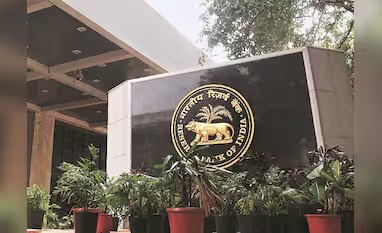
The Reserve Bank of India has scheduled an overnight Variable Rate Reverse Repo (VRRR) auction under the Liquidity Adjustment Facility to absorb surplus cash from the domestic banking sector. The operation is designed to keep short-term interest rates aligned with monetary policy objectives.
The Reserve Bank of India has announced a targeted overnight variable rate reverse repo auction to manage surplus banking system liquidity.
The Reserve Bank of India (RBI) officially confirmed that it would conduct an overnight Variable Rate Reverse Repo (VRRR) auction under the Liquidity Adjustment Facility (LAF). Executed in Mumbai, the central bank's liquidity management operation invites commercial banks and eligible financial institutions to park excess funds back with the monetary authority. Timed for execution, this proactive intervention forms part of the central bank's ongoing strategy to align short-term money market rates with the prevailing policy repo rate amid shifting financial conditions.
Liquidity Management and Policy Mechanics
The primary objective of the overnight VRRR auction is to absorb excess cash liquidity from the domestic banking system. Persistent capital inflows and government spending cycles often create short-term liquidity surpluses, pushing overnight interbank rates below the target policy corridor.
According to regulatory updates issued by the central banking institution, the overnight operation allows institutional participants to tender surplus reserves securely. By locking up excess liquidity on a short-term basis, the RBI maintains orderly monetary transmission, preventing downward pressure on short-term yields and keeping financial markets aligned with broader macro-prudential goals.
Economic Impact and Banking Sector Implications
For commercial banks and institutional treasuries, frequent liquidity absorption operations require dynamic cash flow management. While parking surplus funds with the central bank guarantees risk-free returns at competitive cut-off yields, it also encourages lenders to optimize asset-liability matching.
Market analysts and debt researchers note that regular liquidity sweeps help stabilize the weighted average call rate (WACR), ensuring that retail lending rates and short-term debt instruments remain anchored to official monetary policy stances without experiencing excessive volatility.
Official Sources Section
Operational parameters, structural guidelines, and timing schedules for the liquidity operation are based on official regulatory notices published by the Reserve Bank of India (RBI). Additional monetary policy background and money market assessments were referenced via financial data trackers provided by Bloomberg and Reuters.
Quote Section
"According to official announcements and central bank communications, the variable rate reverse repo auction framework is deployed flexibly to address evolving liquidity dynamics and maintain orderly conditions in the domestic money market."
Why It Matters
Effective liquidity management directly influences consumer loan pricing, corporate borrowing costs, and overall economic stability. By absorbing excess cash reserves, the central bank ensures that short-term interest rates reflect official monetary settings, protecting the broader economy from inflationary credit expansion.
Key Facts at a Glance
Monetary Instrument: Overnight Variable Rate Reverse Repo (VRRR) auction under the Liquidity Adjustment Facility (LAF).
Regulatory Authority: Implemented directly by the Reserve Bank of India (RBI).
Primary Objective: To absorb surplus liquidity from the domestic banking system and anchor short-term money market rates.
Operational Scope: Open to eligible commercial banks and financial institutions holding excess short-term reserves.
Frequently Asked Questions
What is a Variable Rate Reverse Repo (VRRR) auction?
It is a monetary policy instrument used by the RBI to absorb surplus liquidity from the banking system by inviting banks to park funds at market-determined variable interest rates.
Why is the Reserve Bank of India conducting this auction?
The central bank uses these operations to mop up excess cash and align short-term interbank interest rates with the official repo rate.
Who is eligible to participate in the RBI's VRRR operations?
Scheduled commercial banks and eligible primary dealers operating within the Indian financial framework are permitted to submit bids.
How do these auctions impact everyday borrowers?
By maintaining stability in short-term money markets, these operations help transmit monetary policy effectively, influencing retail deposit and lending rates indirectly.
Source: Reserve Bank of India (RBI), Bloomberg, Reuters