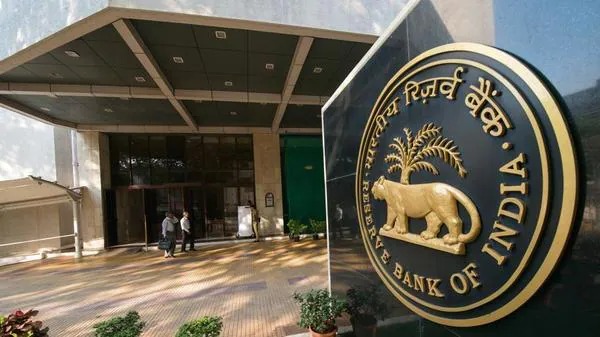
The Reserve Bank of India confirmed that the federal government had no outstanding loans with it under the short-term credit window as of July 10, 2026. The zero balance underscores strong domestic tax revenue inflows and highly disciplined public cash management, keeping the treasury independent of emergency borrowing pipelines.
MUMBAI — The Reserve Bank of India (RBI) has officially announced that the federal government had no outstanding loans with it as of July 10, 2026. The financial indicator, published in the central bank's weekly statistical supplement on Friday, July 17, 2026, confirms that the central administration completely avoided tapping emergency borrowing channels during the critical mid-summer economic reporting week. The milestone data showcases highly resilient domestic revenue inflows and disciplined treasury cash scheduling, completely eliminating immediate reliance on central banking liquidity cushions.
Zero Outstanding Loans Underscores Strong Treasury Position
According to operational data distributed by the monetary policy operations desk in Mumbai, the nil balance in the central government's credit account indicates that the state treasury is maintaining a secure fiscal buffer. The federal government had no outstanding loans with the monetary authority, reflecting a balanced distribution of temporary state expenditures against highly consistent tax receipts.
The specific facility monitored by domestic market desks is the Ways and Means Advances (WMA) program. The WMA serves as an explicit short-term credit facility designed to assist the federal government in managing temporary, unforeseen mismatches between its localized operational disbursements and tax collections. By keeping outstanding loans at zero, the administrative treasury avoids paying short-term interest penalties linked to central bank emergency capital reserves.
Strategic Shift Controls Public Debt Pressures
The clear data point highlights a structured approach toward cash management executed by the central administration over the early phases of the 2026–27 fiscal year. Over the preceding fiscal quarters, robust collections across Direct Taxes and the Goods and Services Tax (GST) have provided the treasury with reliable financial inflows.
Historically, severe revenue disruptions or delayed tax payment schedules often forced the treasury to rely on short-term credit from the central bank. This baseline expansion of central credit pools can occasionally complicate local monetary interventions by adding extra liquidity to the commercial banking ecosystem. The official confirmation that the federal government had no outstanding loans ensures that macro liquidity controls remain unified and unburdened by sudden treasury cash interventions.
Market Implications for Investors and Sovereign Yields
For global asset managers, fixed-income investors, and institutional macroeconomic analysts, the central bank’s financial report reinforces systemic confidence. A government that maintains zero outstanding short-term emergency loans with its monetary authority signals tight internal fiscal control, which is viewed favorably by sovereign credit rating agencies.
This disciplined treasury position helps lower short-term yields on Government Securities (G-Secs) and corporate treasury bills. When the state treasury does not need to issue urgent, unexpected short-term paper to cover cash gaps, institutional debt spreads remain highly predictable. This stability enables commercial enterprises and industrial corporations to borrow private expansion capital without facing high market interest rates.
Microeconomic Impact on Citizens, Businesses, and Taxpayers
The absence of central bank borrowing yields concrete benefits for small business owners, consumers, and everyday taxpayers. A financially self-sufficient state administration reduces the risk of crowds out private borrowing in the domestic credit markets. This means local commercial banks can maintain competitive credit extensions for housing finance, retail vehicle loans, and corporate working capital pipelines.
For regional business operators, steady public finance records mean the government is unlikely to implement sudden, aggressive tax adjustments to correct unexpected cash deficits. Furthermore, disciplined public finances anchor long-term currency valuations, protecting regular retail consumers from the imported inflation pressures that often emerge when a state relies too heavily on central bank money creation.
Official Sources Section
The financial parameters, credit balances, and treasury operations cited in this economic news report are drawn directly from the formal Weekly Statistical Supplement (WSS) databases compiled and distributed by the Reserve Bank of India (RBI). Fiscal cash statements have been cross-verified with institutional asset logs updated by the Ministry of Finance and public debt monitoring networks.
Quote Section
"According to officials familiar with the treasury's cash flow mapping, the zero balance in outstanding emergency credit as of July 10 reflects an efficient alignment of structural revenue collections. The objective remains focused on maintaining high treasury cash efficiency, ensuring public resource scheduling operates independently of short-term central banking credit options."
Why It Matters
As growing economies navigate dynamic global monetary adjustments, maintaining clean public balance sheets is critical to preserving macroeconomic health. India's ability to maintain its federal credit facility at zero shows that its domestic tax revenue engines are keeping pace with state expenditures. This structural discipline provides a powerful shock absorber, allowing the broader national economy to pursue long-term industrial production targets without facing fiscal stress.
Key Facts at a Glance
Lending Balance Status: The federal government had no outstanding loans with the central bank as of July 10, 2026.
Core Account Facility: Governed under the rules of the short-term Ways and Means Advances (WMA) framework.
Regulatory Reporting: Documented formally within the weekly statistical databases of the Reserve Bank of India.
Macroeconomic Anchor: Reflects strong tax revenue collections, keeping public finances independent of emergency credit injection pipelines.
FAQ Section
Q1: What did the RBI report regarding the federal government's credit account?
The Reserve Bank of India announced that the federal government had no outstanding loans or credit draws with it as of July 10, 2026.
Q2: What is the primary purpose of the credit facility monitored by the central bank?
The account tracks the Ways and Means Advances (WMA) facility, which provides temporary, short-term liquidity to the government to cover structural mismatches between state payments and incoming revenues.
Q3: How does a zero balance on this short-term loan facility benefit the domestic debt market?
A zero loan balance indicates the treasury has sufficient revenue, reducing the need for emergency bond issuances and helping keep interest rates on government securities stable.
Q4: Does this status mean the government has eliminated all forms of public debt?
No. This balance refers strictly to short-term emergency cash loans from the RBI. The government continues to manage its regular, planned long-term capital programs through standard market bonds and international development loans.
Source: Weekly Statistical Supplement reports accessed via the official database of the Reserve Bank of India (RBI). Baseline budget cash indices cross-checked with statements from the budget tracking desk of the Ministry of Finance.