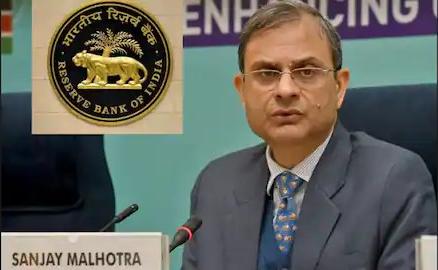
RBI Governor Sanjay Malhotra stated that India's inflation target will not be raised, signaling a potential move toward a lower long-term target instead. Expressing strong confidence in India's rapid growth, Malhotra emphasized the critical need for close monetary-fiscal coordination to successfully manage transient supply-side shocks without disrupting economic momentum.
MUMBAI — Reserve Bank of India (RBI) Governor Sanjay Malhotra stated that there may be a valid case for lowering India’s long-term inflation target, while firmly dismissing any possibilities of increasing the current target ceiling in the foreseeable future. Speaking at a high-level banking conference in Russia, the central bank chief emphasized that while domestic inflation is experiencing an upward trend, it remains well within the target bands established by the monetary authority.
The statements come at a critical juncture for the world's fastest-growing major economy, offering international investors and domestic markets a transparent outlook on the country's long-term macroeconomic and monetary policy trajectory.
Firm Stance on Domestic Price Stability
Addressing delegates at the international banking conference, Governor Malhotra clarified the central bank's perspective on the structural parameters governing India's monetary policy framework. He firmly rejected speculation regarding an upward revision of the price stability thresholds.
"I do not think that the inflation target will be increased going forward," Malhotra stated, dampening market speculation that structural changes in global supply chains might force emerging economies to accept higher baseline inflation. Instead, the Governor turned the policy focus toward a tighter long-term framework, noting that "there may be a case in the long term to have a lower inflation target" to safeguard household purchasing power and ensure sustainable domestic savings.
The strategic policy positioning underscores the Reserve Bank of India's institutional commitment to anchoring inflation expectations firmly, preventing the entrenchment of price pressures as economic activity intensifies.
Growth Outlook and Managing Supply Shocks
Despite persistent headwinds in the global economic arena, the RBI chief expressed robust optimism regarding India's domestic economic performance. Malhotra stated he remains "quite confident that the Indian economy will grow at a fast pace for the foreseeable future," bolstered by healthy corporate balance sheets, robust banking sector capitalization, and sustained public infrastructure investments.
However, the Governor acknowledged the immediate realities of pricing pressures, confirming that while inflation is currently increasing, it remains comfortably below the central bank's mandated upper threshold. To navigate these microeconomic disruptions effectively, Malhotra highlighted the necessity of institutional synergy.
"It is highly important to coordinate closely with fiscal authorities during supply shocks," Malhotra added. This collaborative approach between the central bank's monetary tools and the Ministry of Finance's supply-side interventions—such as strategic food buffers and import duty adjustments—remains vital to dampening transient inflationary spikes without hurting industrial growth.
Administrative Updates: Citizen's Charter Processing
Coinciding with the Governor's policy disclosures, the central bank released its scheduled administrative performance review. The Reserve Bank of India published its comprehensive status report on the "Processing of applications received under the Citizen's Charter - status as on June 30, 2026."
The regular statutory release details the operational efficiency, turnaround times, and disposal rates of commercial banking license requests, regulatory approvals, and consumer grievance redressal applications. The update highlights the institutional efforts to match macroeconomic policy vigilance with robust micro-level administrative transparency and corporate governance.
Official Sources Section
The information, policy indicators, and macroeconomic statements detailed in this report are based on official public announcements delivered by RBI Governor Sanjay Malhotra at the Russia Banking Conference, alongside formal regulatory filings issued directly by the Reserve Bank of India through its central communications desk on June 30, 2026.
Quote Section
"According to officials accompanying the delegation, the Governor's remarks indicate that the central bank intends to maintain a vigilant, non-accommodative stance on price levels, viewing core price stability as the primary bedrock for India's long-term investment attractiveness."
Why It Matters
For citizens and retail consumers, a potential shift toward a lower long-term inflation target signals a policy environment aimed at protecting real wages from eroding. For domestic businesses and international institutional investors, the Governor's absolute refusal to increase the inflation target provides policy certainty, lowering the risk premium on long-term capital investments. The emphasis on monetary-fiscal coordination ensures that localized supply constraints will be met with targeted administrative measures rather than blunt, growth-inhibiting interest rate hikes.
Key Facts at a Glance
Inflation Cap Stance: RBI Governor Sanjay Malhotra ruled out any future upward revision to the current inflation target framework.
Long-Term Shift: The central bank will evaluate the technical case for implementing a lower inflation target in the long term.
Growth Trajectory: The monetary authority remains highly confident that India's economy will maintain a rapid growth pace for the foreseeable future.
Supply Shock Strategy: The Governor emphasized that close coordination with fiscal authorities is critical to managing sudden supply-side price pressures.
Institutional Status: The RBI released its official Citizen's Charter application processing status report updated as of June 30, 2026.
FAQ Section
What is the current stance of the RBI on India's inflation target?
Governor Sanjay Malhotra explicitly stated that the central bank will not increase the inflation target threshold going forward. Furthermore, he noted that over the long term, there may be a structural case to move toward a lower inflation target to preserve economic stability.
How does the RBI plan to tackle unexpected supply shocks?
The Governor highlighted that during acute supply shocks, the central bank must coordinate actively with state and fiscal authorities to deploy targeted supply-side measures, protecting consumers without relying solely on monetary tightening.
What was the significance of the June 30, 2026 RBI release?
The RBI published its operational status report regarding the processing of applications under the Citizen's Charter. This regular release ensures transparency regarding regulatory turnaround times for commercial applications and consumer issues.
Source: Reserve Bank of India, Ministry of Finance, Russia Banking Conference Press Pool.