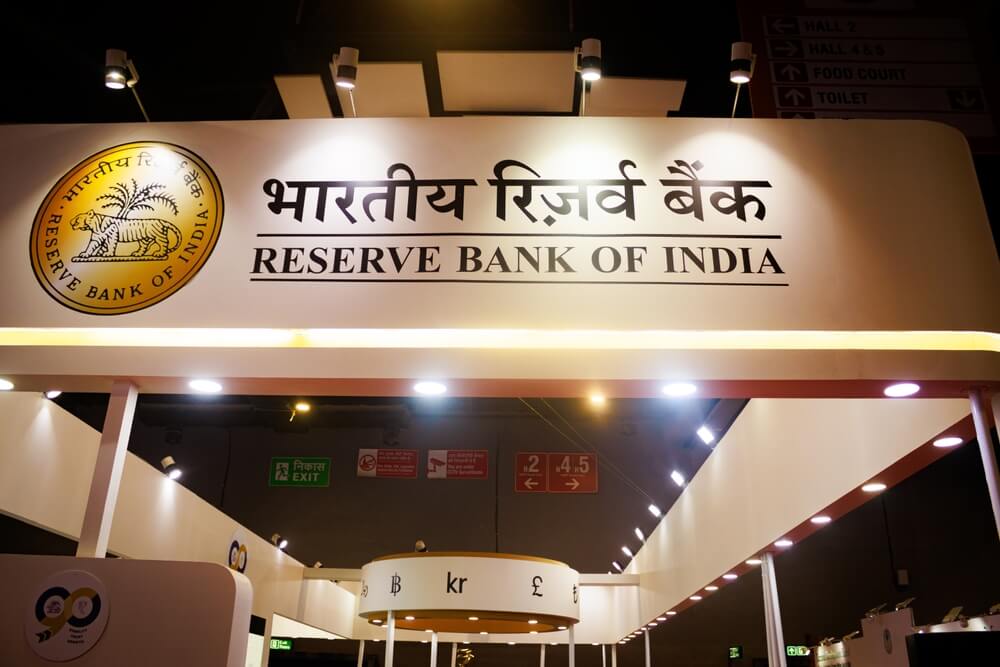
The Reserve Bank of India (RBI) has announced a comprehensive review of India’s cross-border payments ecosystem, aiming to eliminate regulatory, operational, and technological inefficiencies. The move includes tokenisation, pricing transparency, and stricter compliance norms, aligning India’s financial systems with global best practices while strengthening digital payment governance.
India’s central bank is taking a decisive step toward modernizing its payments infrastructure. The initiative reflects growing global demand for faster, cheaper, and more secure cross-border transactions. It also signals tighter regulatory oversight across digital payment platforms and forex operations.
Cross-Border Payments Under The Lens
The Reserve Bank of India will conduct a detailed review of the country’s cross-border payments ecosystem to identify friction points across regulatory, operational, and technological layers. This review is expected to streamline international remittances, reduce transaction costs, and improve settlement efficiency.
The central bank aims to align India with global best practices, ensuring seamless interoperability with international payment systems while boosting transparency and reliability.
Digital Payments And Tokenisation Push
A major highlight of the RBI’s plan is the introduction of secure and smart tokenisation in card payments. This initiative will enhance data security, reduce fraud risks, and improve customer trust in digital transactions.
Additionally, transparent pricing mechanisms will be introduced to make payment charges clearer for consumers and businesses. The RBI will also examine e-commerce marketplaces and digital payment systems more closely, indicating stricter compliance and governance norms for fintech players.
Regulatory Expansion And Oversight
The RBI has indicated that, if necessary, it may extend the scope of direct regulations to cover more digital payment entities. This move could bring fintech companies, payment aggregators, and emerging digital platforms under tighter regulatory supervision.
This reflects the central bank’s proactive approach to managing systemic risks in India’s rapidly evolving digital payments landscape.
Forex Compliance And Rupee Position Limits
Alongside payment reforms, the RBI has introduced updated guidelines for authorised dealers regarding Net Open Position (NOP) in INR. Dealers must comply with revised limits at the earliest, and no later than April 10.
The NOP-INR position in the onshore deliverable market must be maintained within a cap of US$100 million at day-end. These measures aim to stabilize currency markets and ensure prudent forex risk management.
Key Highlights
-
Comprehensive RBI review of cross-border payments ecosystem
-
Focus on removing regulatory, operational, and technological frictions
-
Introduction of secure tokenisation and transparent pricing in card payments
-
Possible expansion of regulations to include more digital payment entities
-
Detailed scrutiny of e-commerce and digital payment platforms
-
New NOP-INR compliance deadline set for April 10
-
Rupee position limits capped at US$100 million for authorised dealers
Sources: RBI Announcements, Financial Market Updates