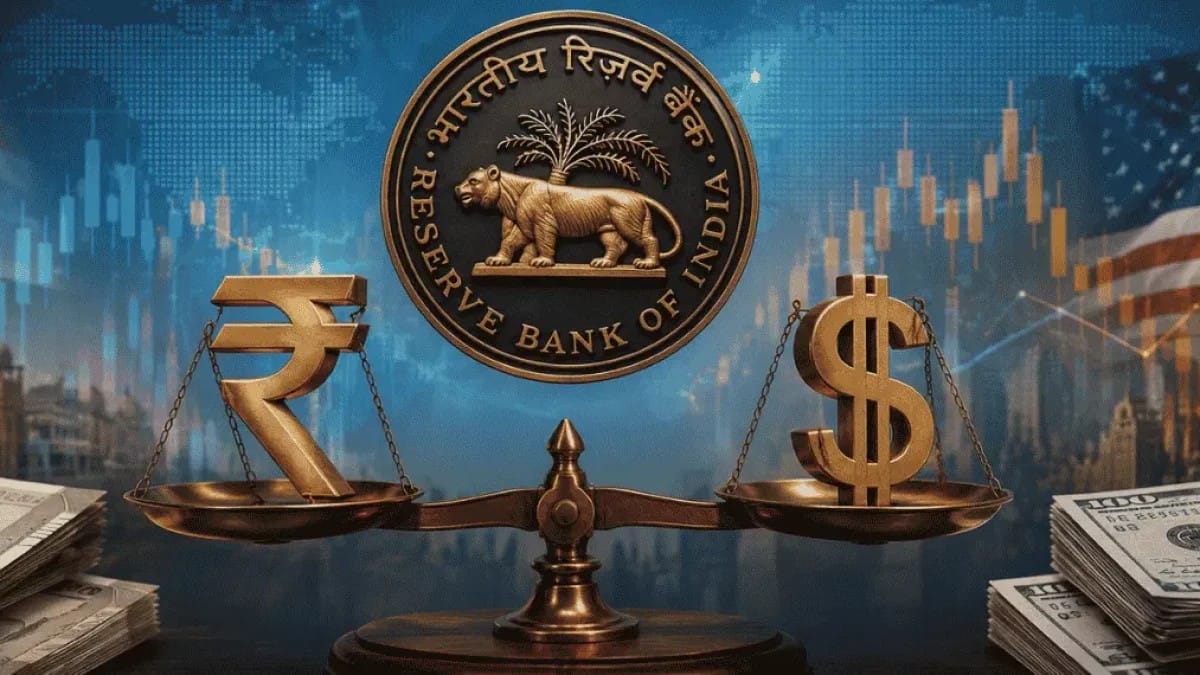
The Reserve Bank of India likely sold U.S. dollars via state-run banks on August 17, 2026, to support the rupee against external headwinds. Despite rising crude oil prices near $87 per barrel and strong U.S. yields, central bank interventions helped maintain local currency stability while forex reserves held strong at $707 billion.
MUMBAI, India — The Reserve Bank of India (RBI) likely intervened in the foreign exchange market on Monday, August 17, 2026, selling U.S. dollars via state-run banks to cushion the Indian rupee against sustained downward pressure. Foreign exchange traders reported that persistent dollar intervention by the central bank helped keep the domestic currency within a narrow range, countering headwinds from elevated global crude oil prices, firm U.S. Treasury yields, and unresolved geopolitical tensions in the Middle East.
Central Bank Operations and FX Intervention Dynamics
According to currency traders and treasury analysts, state-run banks actively offered dollars on behalf of the Reserve Bank of India throughout morning trade to prevent sharp intra-day swings. The RBI's active presence in the spot market ensured the dollar/rupee (USD/INR) pair remained constrained, keeping one-month implied volatility near multi-month lows.
Market sources indicated that the intervention countered rising dollar demand driven by corporate hedgers, crude oil importers, and debt-related capital outflows. The persistent defense of the domestic currency reflects the central bank’s explicit strategy to curb excessive speculative movements rather than target a specific exchange rate level.
Macroeconomic Pressures: Oil Prices and Global Yields
The pressure on the Indian rupee stems from a combination of external factors:
Crude Oil Surge: Brent crude futures hovered near $87 per barrel due to persistent supply disruption concerns surrounding the Strait of Hormuz. High energy prices directly expand India’s import bill, increasing institutional demand for foreign exchange.
Elevated U.S. Yields: Benchmark 10-year U.S. Treasury yields remained firm around 4.65%, maintaining structural support for the greenback across global currency markets.
Foreign Capital Inflows: Net foreign institutional investor (FII) purchases in domestic debt and equity markets provided partial relief, helping absorb external shocks alongside central bank intervention.
According to weekly statistical releases published by the central bank, India's overall foreign exchange reserves rose by $14.14 billion to reach $707.00 billion for the week ended August 7, 2026, providing substantial liquidity buffers for continued currency management.
Official Sources Section
Market reports and trading details are based on market disclosures, FX dealer desks, and official statistical publications released by the Reserve Bank of India, as well as trading metrics tracked across the BSE Limited and the National Stock Exchange of India Limited.
Quote Section
"According to currency traders and treasury experts, regular central bank dollar sales have effectively contained sharp downside movement in the rupee, dampening market volatility even as crude oil prices remain elevated."
Why It Matters
The central bank’s intervention helps shield the broader economy from imported inflation driven by rising crude oil costs and a weaker local currency. For Indian businesses, currency stability reduces hedging costs for foreign debt obligations, while consumers benefit from suppressed pass-through inflation on imported fuel and commodities.
Key Facts at a Glance
Market Action: RBI likely intervened by selling U.S. dollars through state-owned banks to support the Indian rupee.
External Pressure: Brent crude prices near $87 per barrel and elevated U.S. bond yields continue to weigh on local currency markets.
Forex Reserves Buffer: India's foreign exchange reserves stood at $707.00 billion as of early August 2026.
Volatility Impact: Market intervention has pushed near-term implied FX volatility down to multi-month lows.
FAQ Section
Why is the RBI selling U.S. dollars in the foreign exchange market?
The RBI sells U.S. dollars to supply foreign currency liquidity, smooth out sharp depreciation, and curb volatility in the Indian rupee caused by high import bills and global market uncertainty.
How do crude oil prices impact the Indian rupee?
India imports over 80% of its crude oil requirements. When global crude prices rise, domestic oil importers must buy more U.S. dollars, increasing dollar demand and exerting downward pressure on the rupee.
What is the current level of India's foreign exchange reserves?
India's foreign exchange reserves reached $707.00 billion for the week ended August 7, 2026, according to official Reserve Bank of India data.
Source: Reserve Bank of India, BSE Limited, National Stock Exchange of India Limited