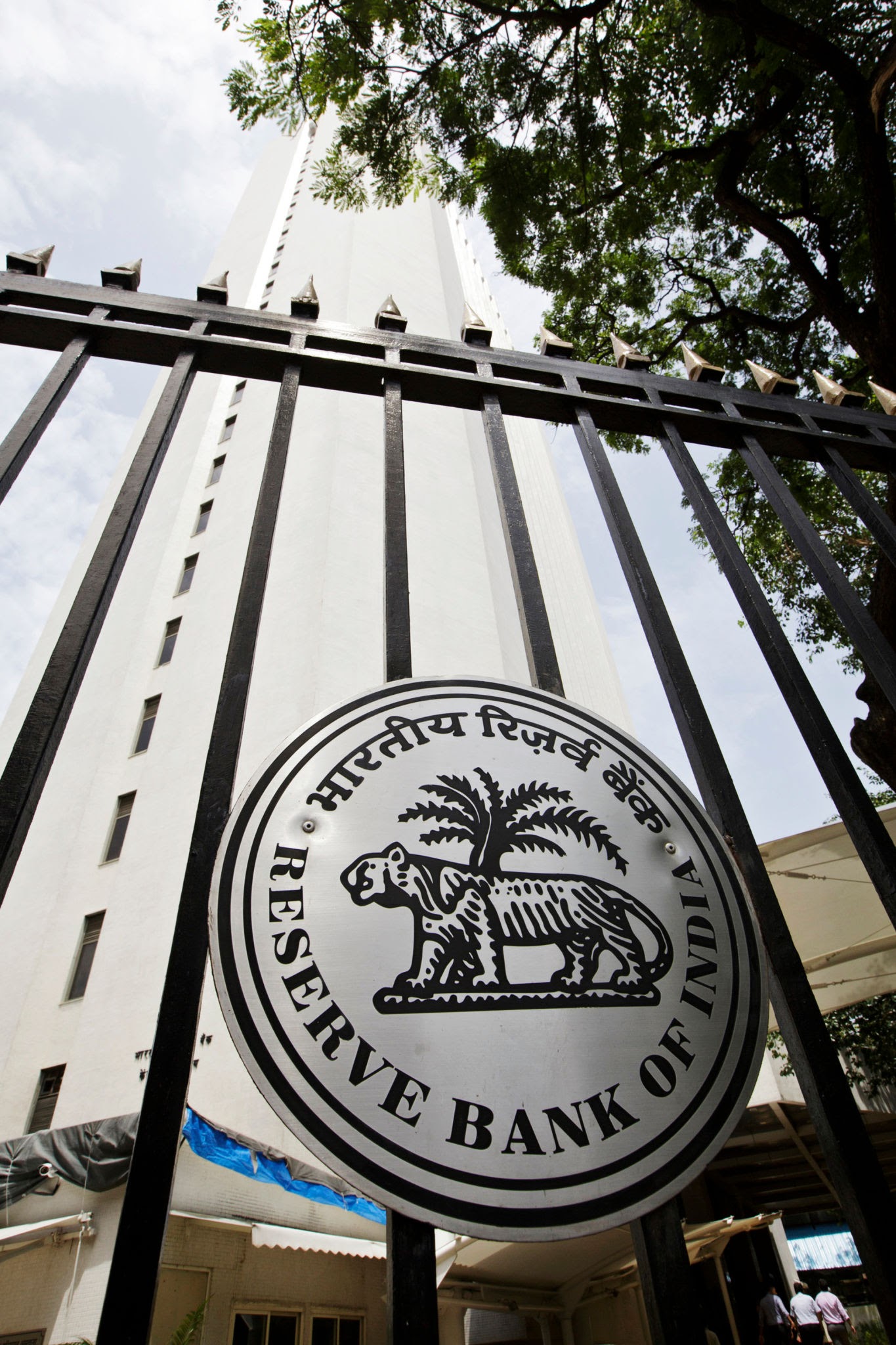
The Reserve Bank of India released draft directions on August 7, 2026, updating bank leverage ratio rules to match Basel III standards. Setting minimum thresholds at 4% for D-SIBs and 3.5% for other commercial banks, the RBI requested public comments by August 28, 2026, ahead of an April 2027 rollout.
MUMBAI — The Reserve Bank of India (RBI) issued draft directions on August 7, 2026, aimed at tightening leverage ratio rules for commercial banks to align India’s capital framework with the updated Basel III standards. The central bank has published the draft "Reserve Bank of India (Commercial Banks – Prudential Norms on Capital Adequacy) Eleventh Amendment Directions, 2026" and invited comments from banks, financial institutions, and public stakeholders until August 28, 2026. Once finalized, the updated leverage framework is scheduled to take effect on April 1, 2027.
Aligning Leverage Framework with Basel III Standards
The draft circular modifies the measurement of a bank’s leverage ratio—defined as its Tier-1 core capital divided by its total exposure, expressed as a percentage. Unlike risk-based capital ratios that weigh assets according to perceived credit risk, the leverage ratio acts as a non-risk-sensitive backstop to prevent institutions from over-leveraging balance sheets during credit expansions.
Under the revised guidelines, the central bank retains differentiated minimum leverage ratio thresholds across various banking categories:
Domestic Systemically Important Banks (D-SIBs): Required to maintain a minimum leverage ratio of 4.0%.
Other Commercial Banks: Required to maintain a minimum leverage ratio of 3.5%.
Global Systemically Important Banks (G-SIBs): Branches operating in India must meet a 3.5% baseline plus applicable G-SIB buffer requirements.
The revised framework updates accounting rules for derivative exposures, securities financing transactions (SFTs), and off-balance-sheet commitments, ensuring that banks capture gross replacement costs and potential future credit exposures accurately.
Curbing Regulatory Arbitrage and Synthetic Off-Balance-Sheet Risks
A key objective of the RBI's updated directions is eliminating practices that artificially dilute total exposure calculations. The draft prohibits commercial banks from using physical or financial collateral, guarantees, or netting arrangements to lower their reported leverage exposures unless explicitly permitted under strict supervisory criteria.
The central bank warned that it will deploy supervisory interventions if institutions execute structured transactions designed to obscure leverage levels or if rapid, disorderly deleveraging poses systemic risks to the broader economy. Additionally, banks will be mandated to publish standardized quarterly Basel III leverage ratio disclosures (via LR1 and LR2 templates) on both standalone and consolidated bases.
Official Sources Section
According to official draft notifications released by the Reserve Bank of India (RBI) under the Department of Regulation, the proposed amendments update paragraphs 262–271 of the Capital Adequacy Directions, 2025. Regulated entities and public stakeholders are requested to submit feedback through official RBI communication portals by August 28, 2026.
Quote Section
According to officials at the Reserve Bank of India, "The leverage ratio serves as a credible, non-risk-based supplementary measure to the risk-weighted capital framework. Aligning the leverage measurement with international standards ensures that commercial banks maintain adequate capital backstops against total on-balance-sheet and off-balance-sheet exposures at all times."
Why It Matters
Tightening leverage ratio norms prevents commercial banks from accumulating hidden risks in complex financial derivatives and off-balance-sheet commitments. For investors, depositors, and financial markets, the tighter capital cushion enhances long-term banking stability, reduces the likelihood of systemic bailouts, and ensures that Indian lenders remain resilient against macroeconomic shocks.
Key Facts at a Glance
Deadline for Comments: The RBI seeks stakeholder feedback on the draft directions by August 28, 2026.
Effective Date: The finalized leverage guidelines are slated for implementation on April 1, 2027.
Differentiated Thresholds: Mandates a 4.0% leverage ratio for D-SIBs and a 3.5% threshold for other commercial banks.
Enhanced Transparency: Introduces mandatory quarterly public disclosures using standardized templates to prevent artificial deleveraging.
Frequently Asked Questions
What is the leverage ratio in banking and why does the RBI regulate it?
The leverage ratio measures a bank's Tier-1 capital against its total exposure without weighting assets for risk. It acts as a safety backstop to prevent banks from borrowing excessively against their capital base.
When will the new leverage ratio norms take effect for Indian banks?
Following public feedback ending on August 28, 2026, the RBI plans to enforce the finalized rules beginning April 1, 2027.
How do these draft rules affect everyday retail banking customers?
The rules do not directly change daily retail deposits or interest rates. However, they make the broader banking system safer by requiring banks to maintain larger financial buffers to absorb unexpected market losses.
Source: Reserve Bank of India (RBI) Draft Communications, Basel Committee on Banking Supervision (BCBS) Framework Releases, Department of Regulation Announcements.