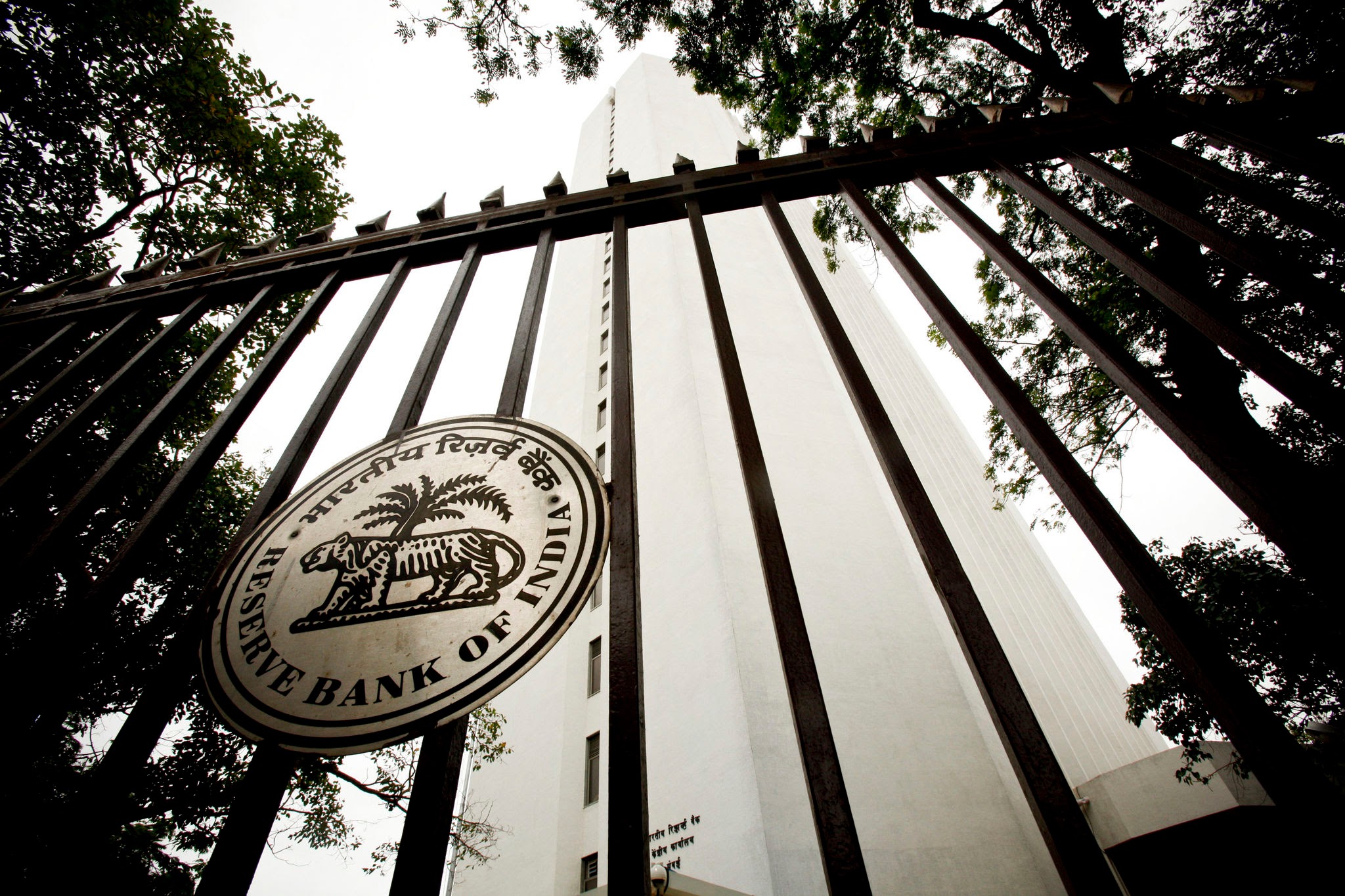
The Reserve Bank of India reported that commercial banks' cash balances stood at 8.10 trillion rupees as of July 24, 2026. Central bank disclosures further showed nil government surplus cash balances available for auction, standing refinance facility usage at 129.80 billion rupees, and Marginal Standing Facility borrowings totaling 550 million rupees.
MUMBAI, India — The Reserve Bank of India released its daily money market operations report on July 27, 2026, confirming that commercial banks' cash balances with the central bank reached 8.10 trillion rupees ($97 billion) as of July 24. The official statistical release from the central bank detailed key liquidity parameters across the Indian banking sector, including overnight standing facilities, government cash balances, and institutional refinancing figures.
Tracking these financial indicators offers critical insights for treasury desks, institutional investors, and fixed-income analysts evaluating short-term money market rates and banking system liquidity. The latest figures show that overall liquidity conditions remained balanced, supported by steady cash reserves held by scheduled commercial banks across the country.
Breakdown of Central Bank Operations and Refinancing
According to data published by the central bank, scheduled commercial banks maintained cash balances of 8.10 trillion rupees with the Reserve Bank of India on July 24. These cash balances represent primary liquidity held by financial institutions to satisfy Cash Reserve Ratio (CRR) mandates and facilitate daily interbank clearing and settlement operations.
In addition to reserve balances, the Reserve Bank of India reported that total standing refinance facility utilization stood at 129.80 billion rupees on July 24. Refinancing facilities allow eligible primary dealers and financial institutions to access liquidity against specified government securities and collateralized assets, helping stabilize overnight money market volatility and money supply dynamics.
Government Cash Balances and Marginal Standing Facility
The central bank disclosure confirmed that the Indian government's surplus cash balance available for auction was nil as of July 24. When government cash balances are nil, the central bank refrains from conducting variable rate reverse repo or liquidity absorption auctions designed to siphon off excess state funds from the banking framework.
Concurrently, Indian commercial banks borrowed 550.00 million rupees (Rs 55 crore) via the Marginal Standing Facility (MSF) on July 24. The MSF serves as an emergency liquidity window through which scheduled commercial banks borrow overnight funds from the Reserve Bank of India at a rate above the prevailing repo rate, using Statutory Liquidity Ratio (SLR) securities up to a designated limit. The low borrowing volume under the MSF window indicates that commercial banks faced minimal acute short-term cash deficits during the clearing cycle.
Context and Financial Market Impact
The state of domestic money market liquidity directly influences short-term interest rates, including overnight call money rates, collateralized borrowing and lending obligations (TREPS), and commercial paper yields. When cash balances remain comfortably at 8.10 trillion rupees, overnight interbank lending rates generally hover close to the benchmark policy repo rate, reducing unexpected borrowing costs for corporate lenders and commercial banks.
For fixed-income investors and institutional asset managers, steady central bank liquidity indicators signal stable funding environments across the financial sector. Adequate reserve levels help prevent sharp spikes in short-term borrowing yields, allowing commercial banks to maintain consistent credit growth across retail, housing, and enterprise lending channels.
Official Sources and Statistical Announcements
All financial metrics, liquidity figures, and facility usage totals reported herein are derived directly from official daily statistical releases published by the central bank.
According to officials: "The Reserve Bank of India provides daily operational disclosures regarding money market liquidity, bank cash balances, emergency borrowing facilities, and government accounts to ensure complete transparency across domestic interbank operations. On July 24, commercial banks maintained cash balances of 8.10 trillion rupees, while government surplus cash available for auction stood at nil."
Why It Matters
Monitoring central bank liquidity disclosures enables corporate treasurers, banking institutions, and market participants to anticipate short-term interest rate trends and liquidity management policies. Adequate cash balances ensure that commercial banks can meet loan demands and regulatory reserve thresholds without experiencing liquidity stress. Furthermore, tracking emergency borrowing windows like the Marginal Standing Facility offers real-time indicators regarding systemic stability across the financial network.
Key Facts at a Glance
Banks' Cash Balances: Stood at 8.10 trillion rupees with the central bank on July 24.
Government Surplus Cash: Reported at nil for auction purposes as of July 24.
Refinance Facility Usage: Totaled 129.80 billion rupees on July 24.
MSF Borrowings: Indian commercial banks borrowed 550.00 million rupees via the Marginal Standing Facility.
Market Significance: Indicates balanced banking system liquidity and stable short-term money market conditions.
Frequently Asked Questions (FAQ)
What were commercial banks' cash balances on July 24?
Commercial banks held cash balances of 8.10 trillion rupees with the Reserve Bank of India as of July 24.
How much did banks borrow through the Marginal Standing Facility (MSF)?
Indian banks borrowed 550.00 million rupees (Rs 55 crore) through the MSF on July 24 to cover short-term liquidity needs.
What was the government surplus cash balance available for auction?
The government surplus cash balance with the Reserve Bank of India available for auction was nil as of July 24.
Why is the Marginal Standing Facility (MSF) important?
The MSF is an emergency overnight borrowing window provided by the central bank to commercial banks when interbank liquidity is tight or specific short-term cash imbalances occur.
Source: Official statistical releases, operational data, and daily money market bulletins published by the Reserve Bank of India (RBI), the Ministry of Finance, and the Financial Markets Regulation Department.