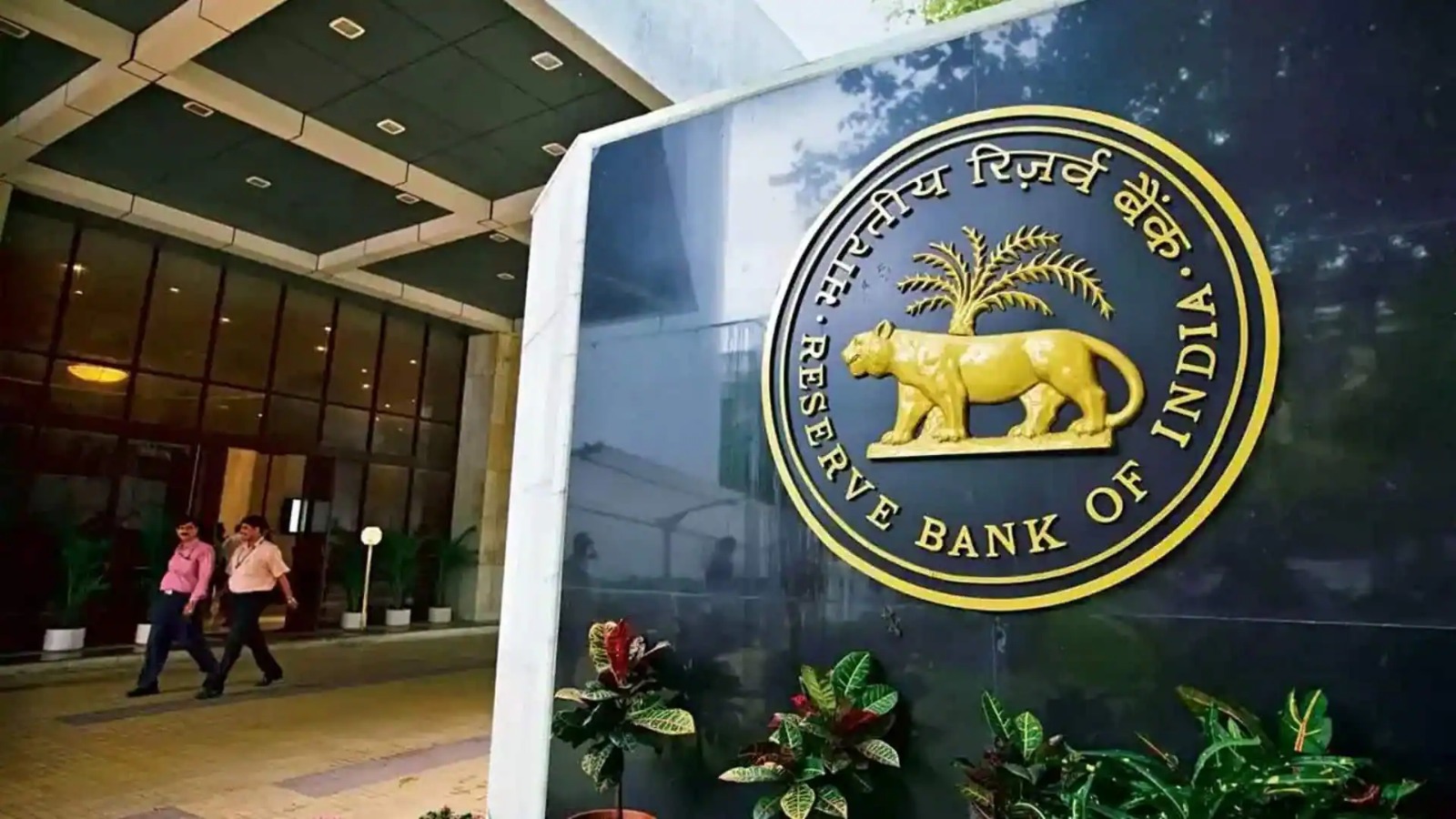
According to Reserve Bank of India data reported on July 28, 2026, commercial banks maintained cash balances of 8.00 trillion rupees. The government’s surplus cash balance available for auction stood at nil, while bank borrowings via the Marginal Standing Facility reached 920.00 million rupees alongside 129.80 billion rupees in refinance operations.
MUMBAI — Commercial banks across India maintained aggregate cash balances of 8.00 trillion rupees ($95.6 billion) with the central bank on July 28, 2026, according to money market operations data released by the Reserve Bank of India (RBI). The figures, published as part of the central bank's daily liquidity framework disclosures, showed that the Indian government's surplus cash balance available for auction was nil as of the same date. Meanwhile, commercial lenders accessed 920.00 million rupees ($11 million) through the RBI’s Marginal Standing Facility (MSF) emergency window, while standing refinance utilization reached 129.80 billion rupees ($1.55 billion). These daily liquidity metrics are closely watched by money market traders, treasurers, and institutional investors as they reflect the operational cash cushion within the domestic financial system and dictate short-term borrowing costs.
Detailed Breakdown of Banking Liquidity and Refinance Figures
The liquidity statistics released by the central bank illustrate how funds are moving between commercial lenders, the sovereign government, and the central monetary authority. Commercial banks' combined cash balances of 8.00 trillion rupees represent the total cash reserves held to satisfy statutory Cash Reserve Ratio (CRR) mandates and daily interbank settlement obligations.
| Financial Metric | Reported Value (July 28, 2026) | Primary Purpose / Function |
| Banks' Cash Balances | ₹8.00 Trillion | Mandatory CRR reserves & operational liquidity buffer |
| Government Surplus Cash for Auction | ₹0.00 (Nil) | Sovereign cash holdings available for short-term market auction |
| Marginal Standing Facility (MSF) | ₹920.00 Million | Emergency overnight borrowing rate for commercial banks |
| Refinance Facility Utilization | ₹129.80 Billion | Targeted central bank liquidity support for sector-specific lending |
The zero surplus cash balance for government auctions indicates that state revenues and tax collection inflows were fully deployed toward routine fiscal disbursements, statutory obligations, and public expenditure schemes rather than parked as idle surplus at the central bank. When government cash balances dip, funds re-enter the commercial banking system through government payouts, maintaining baseline systemic liquidity.
On the borrowing side, Indian banks drew down 920.00 million rupees via the Marginal Standing Facility. The MSF serves as an emergency window that allows banks to borrow overnight funds against approved government securities at a penal interest rate higher than the policy repo rate. The relatively modest MSF volume confirms that overnight cash squeezes were confined to isolated institutions rather than representing broader systemic stress. Total standing refinance operations logged at 129.80 billion rupees reflect ongoing specialized credit lines provided by the RBI to back export financing and institutional development needs.
Impact on Interest Rates, Businesses, and Retail Consumers
Liquidity dynamics within the central bank's corridor directly influence short-term interest rates, including the Weighted Average Call Rate (WACR). When cash balances across commercial banks remain stable near 8.00 trillion rupees, overnight interbank rates typically trade predictably within the liquidity adjustment facility corridor.
For businesses and corporate borrowers, comfortable systemic liquidity prevents unexpected spikes in short-term commercial paper yields and short-term working capital loan costs. For retail consumers, steady liquidity conditions support stable interest rates on personal loans, auto financing, and home mortgages by keeping bank marginal cost of funds-based lending rates (MCLR) steady.
For fixed-income investors and treasury managers, the nil government surplus balance signals that sovereign debt auctions will proceed according to standard calendar schedules without emergency cash management bill issuances.
Official Sources Section
The financial statistics detailed in this dispatch are compiled according to daily money market operation bulletins and regulatory returns issued by the Reserve Bank of India. Fiscal accounting parameters regarding public treasury balances and cash management operations conform to reporting standards administered by the Ministry of Finance. Daily money market transactions and liquidity adjustments are tracked directly through the Reserve Bank of India Money Market Operations Portal and verified via primary wire distributions from Reuters.
Quote Section
"According to officials at central bank liquidity desks, commercial bank reserves remain aligned with statutory requirements, ensuring smooth settlement of daily interbank clearing obligations."
"Market analysts stated that the nil government surplus balance reflects active fiscal spending, which serves to inject cash back into the commercial banking pipeline."
Why It Matters
Monitoring daily liquidity metrics provides immediate visibility into the underlying health of India's monetary architecture. A well-balanced cash reserve position ensures that banks can easily handle daily credit demand and settlement clearance without relying heavily on high-cost emergency central bank borrowing. This structural stability supports overall macroeconomic growth, keeps money market rates predictable, and provides clear forward guidance for corporate bond issuers and institutional fund managers.
Key Facts at a Glance
Bank Cash Holdings: Indian commercial banks maintained 8.00 trillion rupees in total cash balances with the RBI on July 28.
Government Cash Surplus: The central government's surplus cash balance available for auction was recorded at nil.
Emergency Borrowing: Banks tapped the Marginal Standing Facility (MSF) for 920.00 million rupees.
Refinance Facilities: Total standing refinance facility usage reached 129.80 billion rupees.
Frequently Asked Questions (FAQ)
What are bank cash balances with the RBI?
Bank cash balances represent the total cash deposits maintained by commercial banks with the Reserve Bank of India to fulfill mandatory Cash Reserve Ratio (CRR) mandates and facilitate daily interbank transaction clearances.
What does a 'nil' government surplus cash balance mean?
A nil surplus cash balance means that the government currently has no excess unallocated funds parked with the RBI available for short-term auction to the market, indicating that public revenues have been deployed into routine fiscal spending.
What is the Marginal Standing Facility (MSF)?
The Marginal Standing Facility is an emergency borrowing window through which commercial banks can borrow overnight funds from the RBI against government securities at a higher rate than the repo rate during temporary cash crunches.
How do these liquidity numbers affect everyday bank customers?
Adequate money market liquidity keeps bank borrowing costs stable, helping maintain steady interest rates on consumer loans, business lines of credit, and fixed deposit products.
Source: Official statistical releases and daily money market bulletins published by the Reserve Bank of India, the Ministry of Finance, and primary market reporting from Reuters.