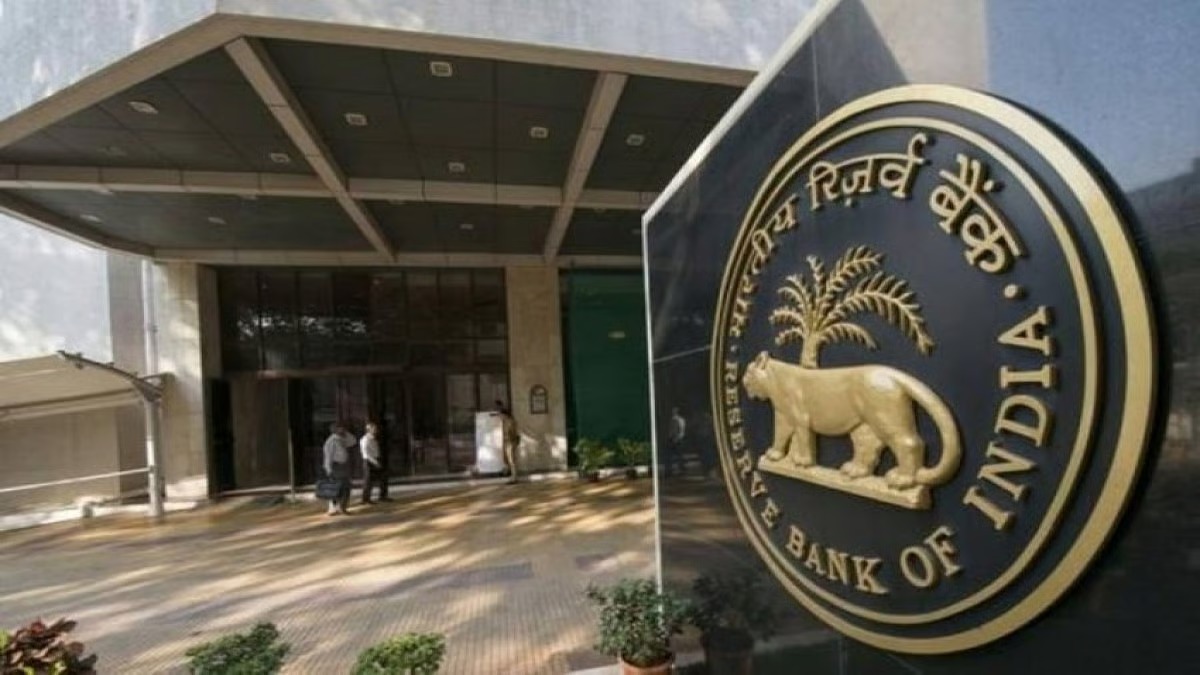
The Reserve Bank of India successfully raised ₹280 billion in a government bond auction, meeting its full target. Key outcomes included a 7.06% cut-off yield for the 2041 bond and a 7.6212% yield for the 2076 security. The auction demonstrates continued investor appetite for Indian sovereign debt.
The Reserve Bank of India (RBI) has successfully auctioned government securities (G-Sec) totaling ₹280 billion, fully meeting its targeted borrowing amount for the session. This latest capital-raising exercise reflects the government's ongoing efforts to finance its fiscal requirements through the issuance of sovereign debt instruments, a process vital to managing the national budget.
Auction Results and Market Execution
According to official data released by the central bank, the auction witnessed strong participation, resulting in the full sale of the notified amount. The specific results for the issuance include:
GS 2041 Bond: The RBI set the cut-off yield for the new 2041 government bond at 7.06%.
7.43% 2076 Bond: The cut-off price for the 2076 security was set at 97.55 rupees, with a corresponding yield of 7.6212%.
The auction was conducted through the RBI’s Mumbai office utilizing the multiple-price method via the electronic e-Kuber platform. As part of its standard market borrowing program, the government retained the option to accept additional subscriptions, successfully absorbing the full intended liquidity from the market.
Understanding Government Bond Auctions
A government bond auction serves as the primary market mechanism through which the Ministry of Finance raises capital to fund infrastructure projects, social welfare programs, and other fiscal expenditures. By offering these debt instruments, the government effectively borrows from investors—including banks, insurance companies, and retail participants—promising to pay interest at regular intervals until maturity.
For market participants, these auctions are critical as they help establish the benchmark yield curve for the Indian fixed-income market. Yields—the effective interest rates realized by investors—fluctuate based on investor demand, inflation expectations, and broader monetary policy set by the central bank.
Key Facts at a Glance
Total Amount Raised: ₹280 billion.
Borrowing Target: The government successfully met its full targeted amount of ₹280 billion.
Investment Access: Investors participated through both competitive and non-competitive bidding, with retail access facilitated via the RBI Retail Direct portal.
Standardized Process: The sale was conducted under the framework of the government’s annual market borrowing program, ensuring transparency and price discovery.
Frequently Asked Questions
What is a "cut-off yield" in a bond auction?
The cut-off yield is the highest yield accepted by the RBI for a particular bond during an auction. All successful bidders at or below this yield receive their allotment.
Who can participate in RBI bond auctions?
While primary dealers and institutional investors conduct the bulk of the bidding, eligible retail investors can participate directly through the RBI Retail Direct platform, allowing individuals to invest in sovereign debt with a minimum investment of ₹10,000.
Why does the government issue these bonds?
The government issues these securities to finance its fiscal deficit and manage expenditure. These bonds are considered one of the safest investments in India as they are backed by the sovereign guarantee of the Government of India.
What happens if an auction is "fully sold"?
A fully sold auction indicates that the total amount of debt offered by the government was successfully purchased by investors, signaling stable market appetite for sovereign debt at the current price levels.
Source: Reserve Bank of India (RBI), Ministry of Finance