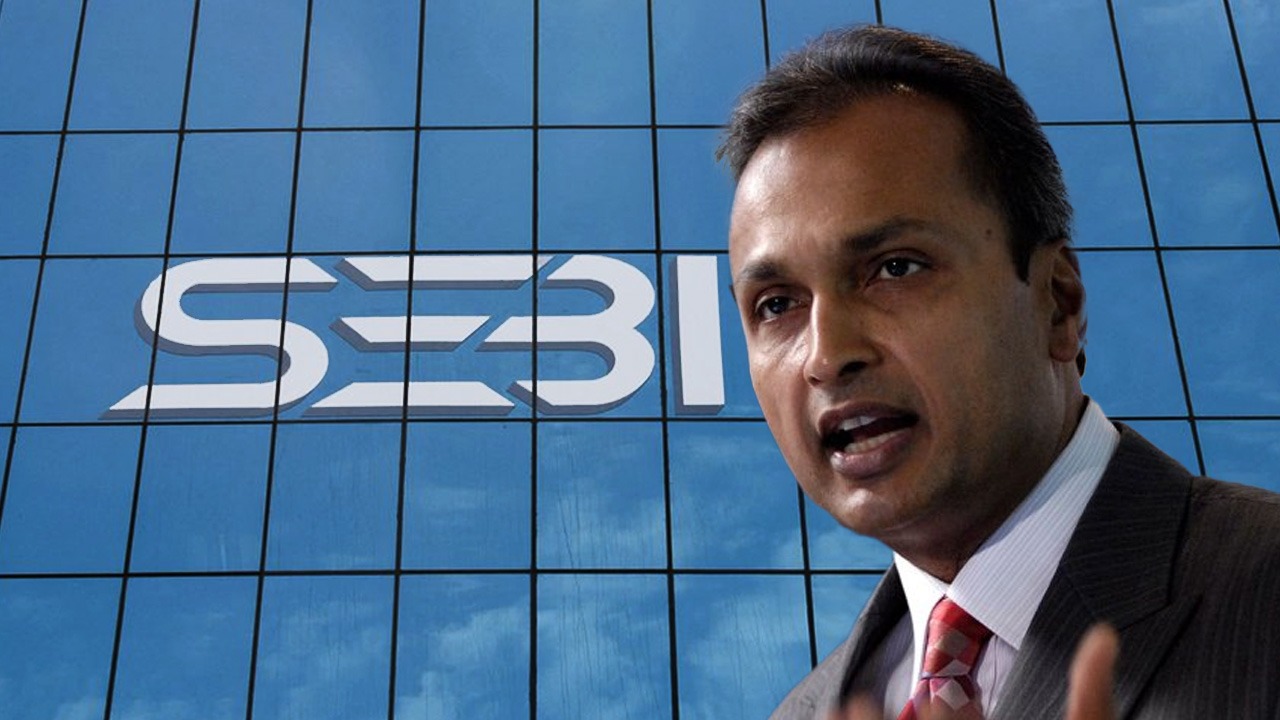
SEBI has rejected a settlement request from Anil Ambani and Reliance Infrastructure concerning the alleged diversion of US$691 million. The regulator contends that funds were misused for personal enrichment, a claim the Ambani group "categorically denies." The matter remains sub judice as the group prepares to defend its legal position.
MUMBAI — India’s financial markets regulator, the Securities and Exchange Board of India (SEBI), has rejected settlement applications filed by industrialist Anil Ambani and his corporate group, Reliance Infrastructure. The move marks a significant escalation in a regulatory dispute concerning allegations that approximately ₹65.26 billion (US$691 million) was improperly diverted to entities linked to Ambani.
Documents reviewed by Reuters indicate that SEBI’s latest decision, issued in late June 2026, concerns transactions that the regulator alleges were a "mis-utilisation of company funds." SEBI suspects these funds were routed to entities connected to the controlling shareholder for potential personal enrichment, rather than serving legitimate corporate purposes for public shareholders.
A Growing Regulatory Battle
This rejection follows a series of regulatory and enforcement actions that have intensified over the past 18 months. The current dispute, which emerged from investigations into fund flows, adds to the legal complexities surrounding the Anil Ambani group.
While the SEBI settlement process typically allows entities to resolve allegations by paying a penalty without an admission or denial of guilt, this is the second time the regulator has dismissed settlement requests by Ambani and his associated firms. A previous instance involved allegations related to investments in Yes Bank.
Reliance Infrastructure and its leadership have challenged SEBI’s restrictions in the past, including appeals before the Securities Appellate Tribunal (SAT) regarding the impact of these regulatory blocks on the group’s ability to raise capital through rights issues.
Reliance Group Denies Allegations
In response to the latest regulatory action, a spokesperson for the Anil Ambani group stated that the allegations are "categorically denied."
"The matters are sub judice, and the Group will continue to defend its position as legally advised," the spokesperson said in an email. The group maintains that it has followed due legal process and continues to cooperate with regulatory and judicial bodies as these cases proceed.
Why It Matters
For investors and market participants, the rejection of a settlement by SEBI is a critical development. It signals that the regulator intends to pursue the matter through formal adjudication, which could lead to more severe penalties or restrictions on market access if the allegations are proven. The case highlights the importance of corporate governance and the scrutiny of inter-corporate fund flows, especially in listed entities where shareholder interests are at stake.
Key Facts at a Glance
Disputed Amount: Alleged diversion of ₹65.26 billion (approx. US$691 million).
Regulator Action: SEBI rejected settlement applications filed by Anil Ambani and Reliance Infrastructure.
Core Allegation: Misuse of company funds for potential personal gain rather than corporate purposes.
Legal Status: The group denies the allegations and maintains that the matters are currently sub judice.
Frequently Asked Questions (FAQ)
1. Why did SEBI reject the settlement request?
While SEBI rarely provides granular details on individual rejections, the move indicates that the regulator considers the alleged violations serious enough to warrant formal adjudication rather than a settlement.
2. What is the next step for Reliance Infrastructure?
The company and its leadership have signaled their intent to defend their position in ongoing legal and judicial proceedings, including potential appeals in tribunals like SAT.
3. What are the potential consequences of this rejection?
If the regulator’s allegations are upheld in court or through the formal adjudication process, the group could face significant financial penalties, bans from securities markets, or other administrative sanctions.
4. How does this affect public shareholders?
The ongoing regulatory scrutiny impacts the group’s ability to access capital markets, which may influence stock performance and the company’s ability to fund its projects.
Source: Securities and Exchange Board of India (SEBI) Filings, Reuters News Coverage, Business Standard