India’s Reliance Industries is reshaping its refinery operations by lowering alkylation unit utilization and significantly boosting LPG production. This strategic shift responds to global energy market volatility, weak export margins, and rising domestic demand, positioning the company to optimize profitability and strengthen its downstream energy portfolio.
India’s energy giant is once again demonstrating operational agility. As global fuel economics shift and geopolitical tensions reshape supply chains, Reliance Industries is fine-tuning its production mix to remain competitive and future-ready.
Strategic Shift In Refinery Operations
Reliance Industries scaled down operations at its alkylation unit, which produces alkylate—a high-octane gasoline blending component widely used in export markets. By operating at a reduced level, the company is effectively limiting alkylate output and exports. This move comes amid softening international demand and narrowing margins for gasoline blending components, making exports less lucrative.
LPG Output Sees Record Expansion
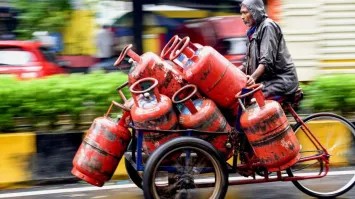
In a sharp contrast, Reliance has ramped up liquefied petroleum gas (LPG) production to more than three times its pre-Iran conflict levels. This increase underscores a decisive pivot toward fuels that enjoy stable and growing demand in India. LPG continues to be a key energy source for households, transportation, and industrial applications, supported by government initiatives promoting cleaner fuel adoption.
Geopolitics And Market Forces At Play
The shift in production strategy is closely tied to global disruptions, including tensions linked to Iran and broader crude oil supply uncertainties. These factors have altered trade flows and pricing structures, compelling refiners like Reliance to rethink export-heavy strategies. By prioritizing LPG, the company is insulating itself from volatile export markets while leveraging consistent domestic consumption.
Implications For India’s Energy Landscape
Reliance’s move could influence broader refinery trends across India and Asia. As refiners focus more on domestic demand and cleaner fuels, the balance between export-oriented production and local consumption may continue to evolve. This also aligns with India’s long-term energy transition goals, where LPG plays a vital role as a relatively cleaner fossil fuel.
Operational Agility And Future Outlook
The company’s ability to quickly recalibrate output highlights its advanced refining infrastructure and strategic foresight. By optimizing product yield based on market signals, Reliance is reinforcing its position as a global refining leader while safeguarding margins in a challenging environment.
Key Highlights
- Reliance reduces alkylation unit operations to limit exports
- Alkylate demand and margins weaken in global markets
- LPG production increased more than threefold from earlier levels
- Strategy driven by geopolitical tensions and shifting fuel economics
- Focus shifts toward domestic demand and cleaner energy fuels
Sources: Reuters, Energy Market Analysis Reports