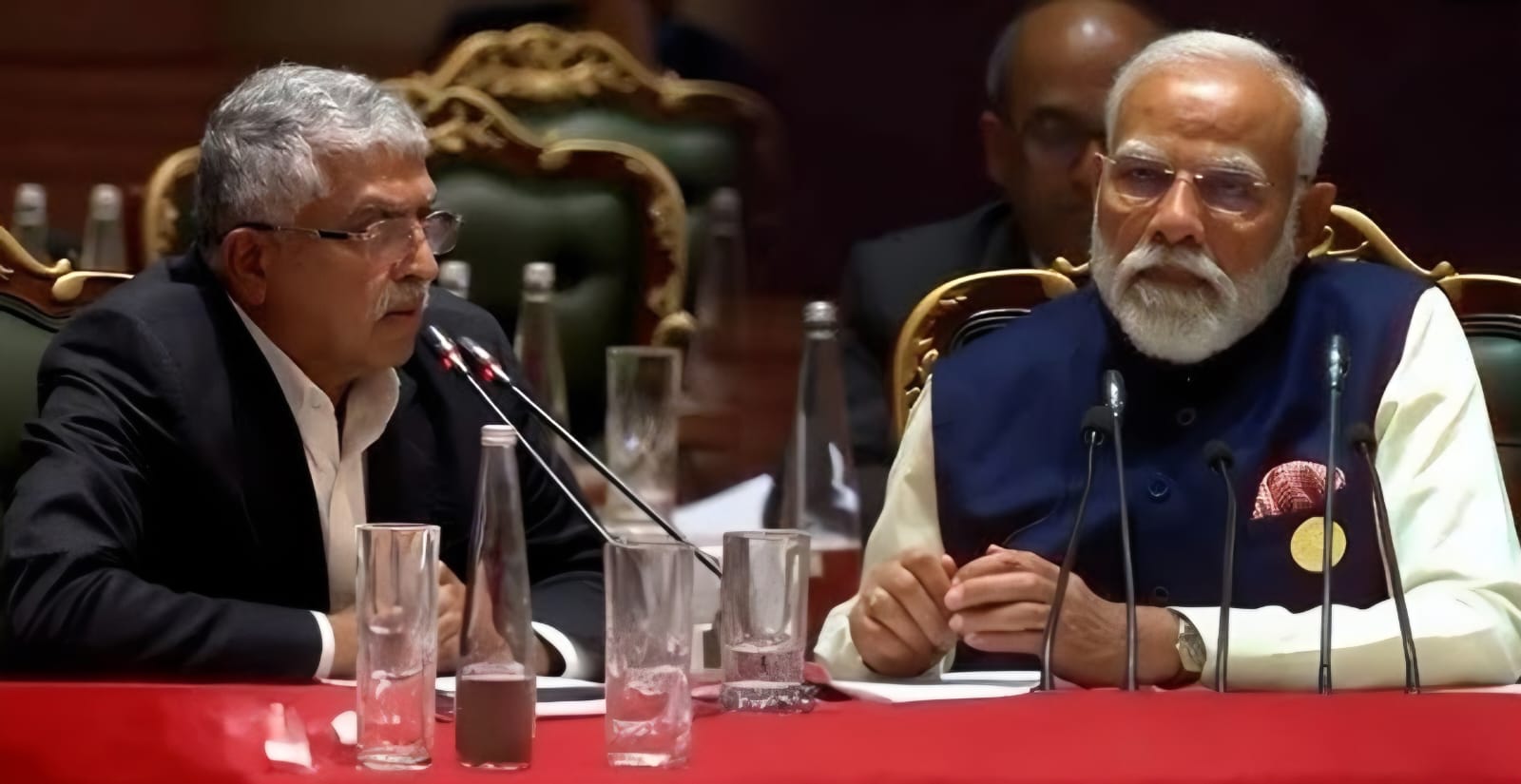
Prime Minister Narendra Modi has announced a high-powered task force led by Infosys co-founder Nandan Nilekani to overhaul India's examination system following NEET paper leak controversies. The panel will leverage digital technology to make competitive tests tamper-proof, supported by fast-track courts and new anti-malpractice laws to ensure transparency.
NEW DELHI, India — Prime Minister Narendra Modi on Sunday, July 26, 2026, announced the constitution of a high-powered task force on national examination reforms led by Infosys co-founder and technology leader Nandan Nilekani. The initiative comes in the wake of widespread public outcry and nationwide youth protests over paper leak irregularities in competitive examinations, including the National Eligibility cum Entrance Test (NEET-UG).
The creation of the Nilekani-led panel follows major administrative shifts in New Delhi, including the resignation of Union Education Minister Dharmendra Pradhan, and aims to introduce robust technological solutions to restore integrity, transparency, and public trust in India's testing infrastructure.
Mandate and Scope of the Nilekani Task Force
According to official statements issued by the Prime Minister, the newly constituted task force is mandated to evaluate existing examination protocols, audit digital and physical security measures, and recommend a modernized framework for high-stakes assessments nationwide.
The committee will focus on leveraging advanced digital architecture—drawing on Nilekani’s experience in designing India’s digital public infrastructure, such as Aadhaar—to minimize human intervention, secure question paper transmission, and standardize multi-center test delivery.
Legislative Measures and Judicial Fast-Tracking
Addressing the legal aspects of examination security, official releases emphasize that the government has already initiated strict criminal proceedings against individuals accused of compromising paper confidentiality. Accused perpetrators involved in paper leaks are currently remanded in custody, while the Centre moves toward establishing dedicated fast-track courts to ensure swift prosecution.
Furthermore, the government is preparing stringent anti-malpractice legislation for introduction during the upcoming parliamentary session, aimed at codifying heavy criminal penalties, asset forfeitures, and long-term bans for individuals or syndicates attempting to tamper with public entrance exams.
Backdrop of Dissent and Administrative Restructuring
The setup of the high-powered panel follows weeks of sustained civic demonstrations led by student organizations and youth advocacy groups across major cities, including central gatherings at New Delhi's Jantar Mantar. Dissenters demanded structural transparency, independent auditing of testing bodies like the National Testing Agency (NTA), and ministerial accountability.
The announcement represents a significant policy pivot intended to stabilize the academic calendar, safeguard the prospects of over 15 million annual university and medical entrance candidates, and reassure parents and institutions regarding the credibility of merit-based selection.
Official Sources Section
Official policy announcements, video addresses, and regulatory directives regarding the task force are derived from communications released by the Prime Minister's Office, updates published by the Ministry of Education, and operational notices issued by the National Testing Agency.
Quote Section
"Our examination system needs to be reliable and transparent, and it must make maximum use of technology," stated Prime Minister Narendra Modi during a national video address. "To address these concerns, a high-powered task force—comprising world-renowned technology expert Nandan Nilekani—will be constituted to focus on examination reforms and ensure the integrity of upcoming examinations."
Why It Matters
The formation of the task force carries direct practical implications for millions of Indian students, educational institutions, and coaching sectors. Re-engineering examination security with end-to-end encryption, digital delivery systems, and strict legal deterrence helps eliminate leak vulnerabilities, ensuring fair competition and reducing academic uncertainty for future entrance cycles.
Key Facts at a Glance
Leadership: Tech entrepreneur and Infosys co-founder Nandan Nilekani appointed to head the high-powered examination task force.
Core Mandate: Redesign national testing infrastructure using digital technology to eliminate paper leaks and administrative flaws.
Political Context: Follows widespread NEET-UG protests, the resignation of Education Minister Dharmendra Pradhan, and student agitations.
Legal Enforcement: Government setting up fast-track courts and introducing stringent anti-paper leak legislation in Parliament.
Frequently Asked Questions (FAQ)
Who is leading the new task force on exam reforms?
Infosys co-founder and technology leader Nandan Nilekani has been appointed by Prime Minister Narendra Modi to head the task force.
What triggered the creation of the exam reform committee?
The panel was formed following nationwide student protests and administrative controversy surrounding paper leaks in national entrance tests such as NEET-UG.
What specific changes will the Nandan Nilekani task force focus on?
The committee will focus on using digital security, technology integration, encrypted transmission, and structural reform to make competitive exams tamper-proof.
What legal actions are being taken against paper leak accused?
The government has jailed key accused individuals, established fast-track courts, and prepared new federal legislation to enforce strict penalties for exam malpractice.
Source: Official statements issued by the Prime Minister's Office, press notifications from the Ministry of Education, and news bulletins verified by The Economic Times and The New Indian Express.