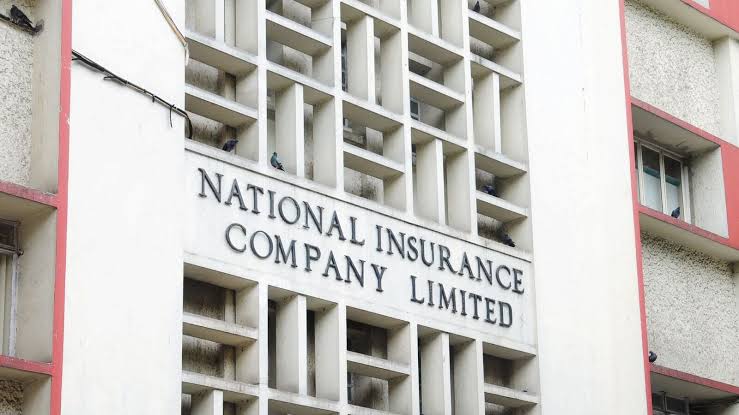
National Insurance Company Limited has released its financial results for the April-June quarter (Q1 FY26), revealing a mixed performance marked by solid income growth yet a continued strain on profitability. As India's oldest general insurer, NICL’s financial disclosures are closely wa...
National Insurance Company Limited has released its financial results for the April-June quarter (Q1 FY26), revealing a mixed performance marked by solid income growth yet a continued strain on profitability. As India's oldest general insurer, NICL’s financial disclosures are closely watched—not just by the insurance sector but by policyholders and market observers who gauge the health of public sector insurance.
June Quarter Highlights
The company posted total income of 41.75 billion rupees for the June 2025 quarter, thanks to healthy premium collection and investment returns. Despite that, National Insurance reported a loss after tax of 2.28 billion rupees—the result of persistent underwriting pressure and high claims costs.
Key Performance Indicators
-
Total Income: 41.75 billion rupees, reflecting sustained revenue through insurance operations and investment portfolios.
-
Net Premium Earned: 30.75 billion rupees for the quarter, showcasing the company’s ability to generate core business revenues.
-
Loss After Tax: 2.28 billion rupees, indicating challenges in achieving profitability amid rising insurance claims and operational costs.
-
Solvency Margin: The company continues to face a solvency margin shortfall below the regulatory minimum, although recent regulatory forbearance has allowed operations to continue while NICL works to strengthen its balance sheet.
Income Growth and Market Strategy
Despite a sizeable loss, the company’s revenue performance points to steady policy acquisition and investment inflows. However, the continued losses suggest the company is still navigating legacy claims and operating in an environment where claims and expenses outpace premium growth.
Understanding the Loss Dynamics
The June quarter loss is attributed to higher claims payouts across motor and health portfolios, along with legacy provisions that continue to pressure margins. National Insurance has taken steps to reduce exposure to riskier and loss-making segments, as evidenced by a moderation in gross written premium earlier, though this quarter showed resilience in revenue collection.
Regulatory and Solvency Focus
NICL’s solvency margin remains in negative territory—well below the mandated 1.5%. Regulatory forbearance allows the insurer to keep operating, but it has been prohibited from writing surety bonds until its solvency improves.
NICL is exploring asset monetization and capital-raising via strategic stakes in joint ventures (including India International Insurance Singapore and regional partnerships). The company’s liquidity to honor ongoing claims is reported to remain robust.
Strategies for Turnaround
-
Expense rationalization and continuous review of risk segments.
-
Focus on core, low-loss segments and asset revaluation to strengthen financial statements.
-
Seeking liquidity through regulatory capital frameworks and potentially divesting some non-core investments should the regulatory climate permit.
Looking Ahead
National Insurance’s Q1 FY26 numbers highlight a typical challenge for public sector insurers: balancing regulatory pressures while serving social insurance needs with commercial competitiveness. Industry experts will watch the next quarters for signs of improvement in the company’s solvency position, profitability, and underwriting discipline.
Conclusion
Q1 FY26 proved to be another testing period for National Insurance Company Limited. Solid income generation reflects the company’s innate market strength. However, the continuing after-tax loss underscores the urgency of fiscal discipline and regulatory compliance. As NICL steers through these headwinds, stakeholders will be focused on solvency and loss containment for sustainable growth in the coming quarters.
Source: Refinitiv, Reuters.