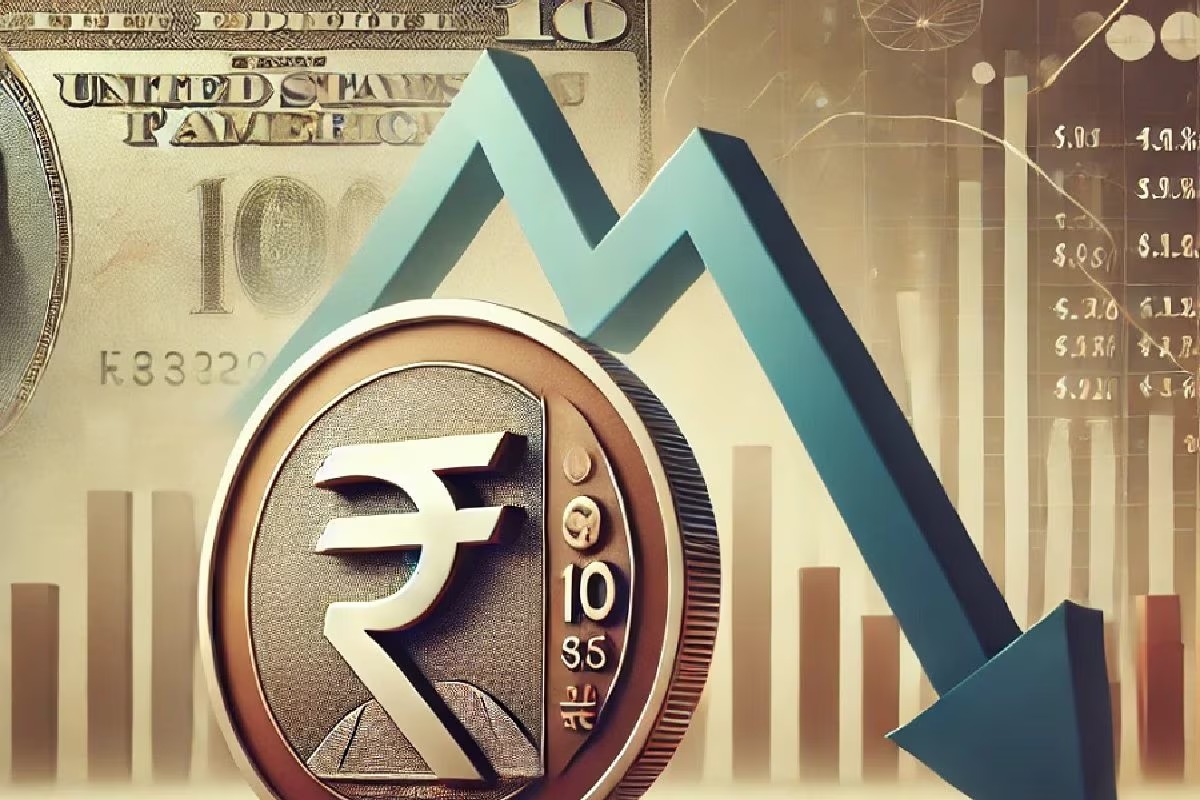
The Indian rupee closed at a record low of 95.31 per US dollar, declining 0.88 percent during Monday's trading session in its sharpest single-day fall in recent weeks. The unprecedented depreciation reflects mounting pressure from strong dollar demand, capital outflows, widening trade deficits, and global currency market dynamics that have pushed India's currency to uncharted territory.
The rupee's slide to historic lows marks a significant development for India's economy, with implications spanning from import costs to inflation management and central bank policy responses. Currency traders and policymakers are closely monitoring whether this represents a temporary spike or the beginning of sustained weakness requiring intervention.
Historic Depreciation Shakes Currency Markets
The rupee ended trading at 95.31 against the US dollar, marking an all-time closing low that surpasses previous records. The 0.88 percent single-day decline represents significant currency weakness, with the rupee losing ground rapidly as selling pressure overwhelmed buying interest from exporters and Reserve Bank of India interventions that typically cushion extreme movements.
Multiple Factors Drive Currency Weakness
Strong dollar demand from importers paying for energy and commodity purchases, foreign portfolio investor outflows from Indian equity and debt markets, and concerns about the widening current account deficit have collectively pressured the rupee. Additionally, the US dollar's strength in global markets amid expectations of sustained higher interest rates has made emerging market currencies including the rupee vulnerable to depreciation.
Economic Implications Across Sectors
A weaker rupee increases costs for companies importing raw materials, components, and finished goods, potentially squeezing profit margins or forcing price increases that feed into inflation. Oil marketing companies face higher bills for crude imports, which could eventually translate to fuel price adjustments affecting transportation costs and consumer budgets across the economy.
RBI Response Closely Watched
Market participants are watching for Reserve Bank of India actions to stabilize the currency, including potential dollar sales from foreign exchange reserves or adjustments to monetary policy tools. The central bank typically avoids defending specific rupee levels but intervenes to curb excessive volatility that can destabilize financial markets and business planning.
Currency Crisis Snapshot
- Indian rupee closes at record low of 95.31 per US dollar
- Single-day decline of 0.88 percent marks sharp depreciation
- Historic closing low surpasses all previous rupee weakness levels
- Strong dollar demand and capital outflows driving currency pressure
- Import costs rising across energy, commodities, and manufactured goods
- Widening trade deficit and current account concerns weighing on sentiment
- US dollar strength in global markets pressuring emerging market currencies
- RBI intervention and policy response closely monitored by market participants
- Inflation implications from imported goods and fuel price pressures
Sources: Foreign exchange market data, Reserve Bank of India, currency trading platforms