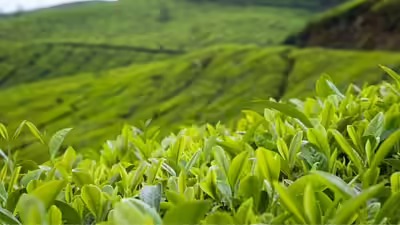
Assam Orthodox tea, bearing prestigious GI tag recognition, has captured international markets with its distinctive flavor profile and artisanal production methods. However, most Indian consumers remain unfamiliar with this premium variety despite it being produced domestically, as the bulk of production heads to export markets where connoisseurs pay premium prices for its unique characteristics.
Assam's tea gardens produce a specialty that the world cherishes, yet ironically remains largely undiscovered in its country of origin. This paradox highlights how export-oriented production often bypasses domestic appreciation, leaving local consumers unaware of treasures growing in their own backyard.
Orthodox Processing Creates Premium Quality
Unlike the more common CTC method that crushes tea leaves, orthodox processing involves careful rolling and oxidation that preserves the leaf structure and creates complex flavor notes. This traditional technique produces whole leaf tea with delicate aromas, bright liquor, and nuanced taste profiles that appeal to discerning tea drinkers willing to pay premium prices for authentic artisanal products.
Export Markets Drive Production Priorities
The majority of Assam Orthodox tea finds its way to international buyers in Europe, Japan, and specialty tea markets where consumers value heritage production methods and distinctive regional characteristics. This export focus means domestic distribution channels remain underdeveloped, with limited availability in Indian retail outlets and minimal marketing efforts targeting local consumers.
GI Tag Recognition Yet Domestic Obscurity
The Geographical Indication tag certifies Assam Orthodox tea's authenticity and regional uniqueness, protecting it from imitation while adding credibility in global markets. However, this prestigious recognition has not translated into widespread domestic awareness or consumption, partly because Indian tea culture gravitates toward strong CTC varieties suited to milk-based chai rather than the subtle flavors orthodox teas offer.
Bridging The Awareness Gap
Growing interest in specialty teas and artisanal products among urban Indian consumers presents an opportunity to introduce Assam Orthodox to domestic markets. Tea estates and industry bodies are beginning to recognize that building local appreciation could create additional revenue streams while celebrating India's rich tea heritage beyond traditional consumption patterns.
Tea Heritage Insights
- Assam Orthodox tea holds GI tag certification for authenticity
- Traditional orthodox processing creates premium whole leaf tea
- Majority of production exported to international specialty markets
- Most Indian consumers unfamiliar despite domestic production
- Complex flavor profiles differ from common CTC varieties
- Export focus has limited domestic distribution and awareness
- Growing specialty tea interest among urban Indians creates new opportunities
Sources: Tea industry reports, GI registry documentation, specialty tea publications