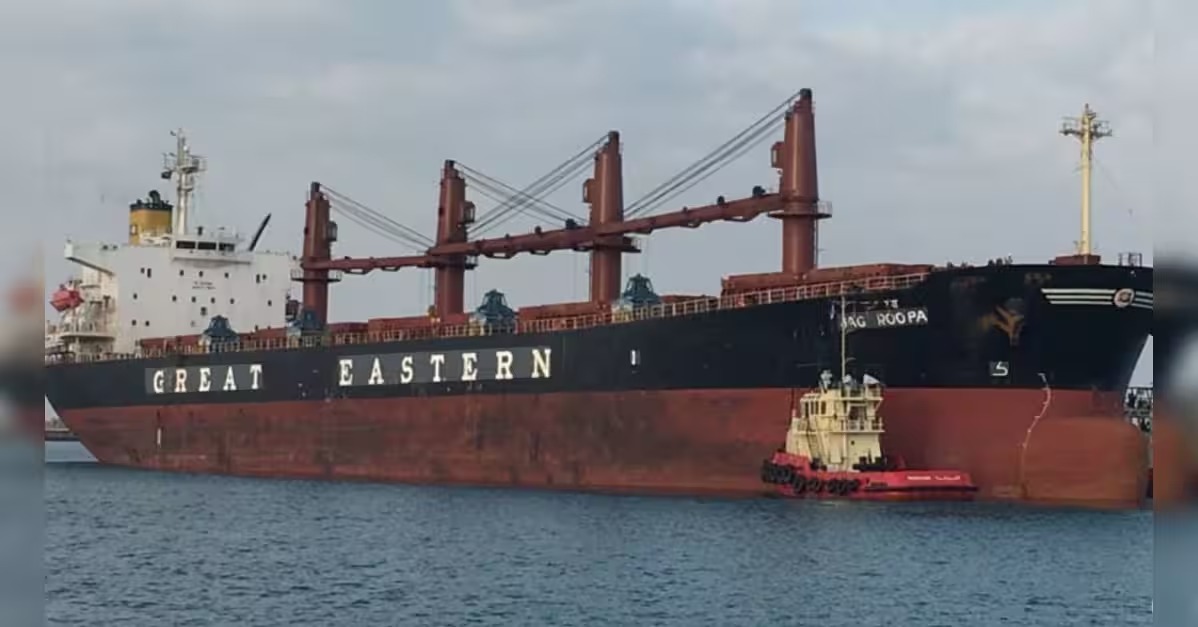
The Great Eastern Shipping Company Limited has contracted to acquire a secondhand Kamsarmax dry bulk carrier of 81,609 DWT. Disclosed via regulatory filings in September 2026, the strategic purchase enhances the firm's fleet modernization efforts and expands its operational capacity within the international dry bulk freight market.
The Great Eastern Shipping Company Limited has contracted to buy a secondhand Kamsarmax dry bulk carrier of 81,609 deadweight tonnage (DWT).
Mumbai-based The Great Eastern Shipping Company Limited announced that it has signed a formal contract to acquire a secondhand Kamsarmax dry bulk carrier with a carrying capacity of 81,609 DWT. Disclosed through official stock exchange filings in September 2026, the vessel acquisition is part of the company's ongoing fleet modernization and expansion strategy. The addition of the modern bulk carrier is designed to strengthen the firm's operational capabilities in the international dry bulk freight market, enhancing its ability to service global raw material and commodity transport routes.
Fleet Expansion and Asset Strategy
According to regulatory disclosures submitted under SEBI guidelines, the newly contracted Kamsarmax vessel is expected to be delivered to the company's growing fleet within the upcoming quarters. The acquisition reflects a calculated approach to capital allocation, allowing the shipping major to capitalize on favorable asset pricing in the secondhand maritime market while maintaining a balanced fleet age profile.
Management noted that integrating fuel-efficient modern tonnage helps optimize voyage operating costs and complies with tightening international maritime environmental regulations. The vessel will be deployed globally to carry dry bulk commodities such as coal, grain, and iron ore across primary international trade lanes.
Market Context and Financial Impact
For investors and maritime industry analysts, the vessel purchase highlights ongoing fleet optimization trends among major shipping enterprises navigating cyclical freight rate environments. Maintaining a diversified fleet of crude carriers, product tankers, and dry bulk vessels enables the company to hedge against sector-specific volatility. Financial stakeholders view disciplined secondhand acquisitions as a prudent method to expand earning capacity without the extended construction timelines associated with newbuilding orders.
Official Sources Section
Details concerning the vessel acquisition are based on official stock exchange disclosures, regulatory filings submitted under Regulation 30 of SEBI (Listing Obligations and Disclosure Requirements) Regulations, 2015, and corporate statements released by The Great Eastern Shipping Company Limited.
Quote Section
According to officials, the acquisition of the Kamsarmax dry bulk carrier aligns with the company's long-term fleet renewal strategy and strengthens its operational presence in international shipping markets.
Why It Matters
Expanding the fleet with a modern 81,609 DWT bulk carrier enhances the company's cargo-carrying capacity and revenue-generating potential. For international charterers, access to modern, well-maintained tonnage ensures reliable and efficient commodity transport.
Key Facts at a Glance
The Great Eastern Shipping Company contracted to buy a secondhand Kamsarmax dry bulk carrier.
The vessel has a deadweight tonnage (DWT) of 81,609 metric tons.
The acquisition was disclosed through official stock exchange regulatory filings in September 2026.
The addition supports the company's fleet modernization and global trade deployment goals.
FAQ Section
What type of vessel did The Great Eastern Shipping Company agree to purchase?
The company contracted to buy a secondhand Kamsarmax dry bulk carrier.
What is the cargo capacity of the newly acquired vessel?
The vessel features a carrying capacity of 81,609 deadweight tonnage (DWT).
How does this acquisition benefit the company's operations?
It expands the company's dry bulk carrying capacity, modernizes its fleet profile, and enhances deployment flexibility across international trade routes.
Source: National Stock Exchange of India, BSE India, Great Eastern Shipping Investor Relations