Samsung Electronics and LG Electronics set new records at South Korea’s 29th Energy Winner Awards by securing top honors for AI-powered appliances. Samsung earned its eighth consecutive grand Energy Award, while LG claimed 12 total prizes, highlighting a market shift toward energy-efficient, artificial intelligence-driven consumer products.
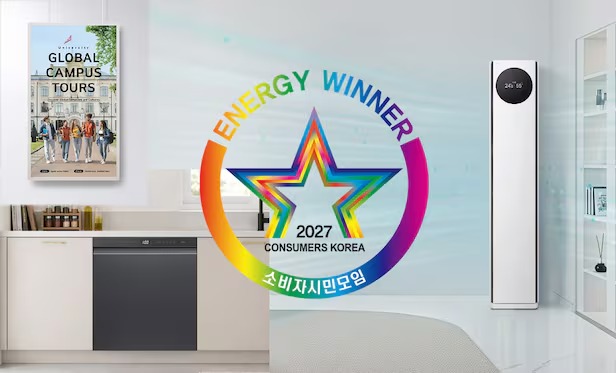
SEOUL, South Korea — South Korea’s leading technology manufacturers, Samsung Electronics and LG Electronics, swept top honors at the 29th Energy Winner Awards, setting new records for corporate energy-efficiency recognitions. Hosted by Consumers Korea (Citizens United for Better Society) and supported by the Ministry of Climate, Energy and Environment alongside the Korea Energy Agency, the annual event evaluates consumer products and equipment that advance energy conservation and sustainability.
The results highlight a fundamental shift in the domestic and global consumer electronics sectors, where artificial intelligence (AI) algorithms are increasingly integrated into core appliance operations to reduce power consumption.
Samsung Claims Top Honors with Eighth Straight Grand Energy Award
Samsung Electronics secured 10 institutional awards at the ceremony, led by its flagship "Bespoke AI Wind-Free Combo Gallery Pro" air conditioner, which took home the top Energy Prize and the Minister's Award.
The company also received an energy technology award for its "Infinite Line" hood-integrated induction cooktop, which delivers high power output while maintaining Grade 1 energy efficiency. Additionally, Samsung's "EHS Heat Pump Boiler" earned recognition by posting a Seasonal Coefficient of Performance (SCOP) of 4.9 generating nearly five times the heat energy relative to its electrical input.
LG Electronics Sweeps 12 Prizes with Smart Home Innovations
LG Electronics captured 12 major awards—the highest total among all corporate participants—marking its 10th consecutive year claiming the most categories at the event. The performance included three Grand Prizes across its air conditioning, display, and dishwasher product lines.
LG’s success was driven by its "Affectionate Intelligence" platform, which integrates sensor networks and predictive software across its home appliance lineup. The system analyzes real-time usage habits, ambient temperatures, and electricity tariff fluctuations to run appliances at optimal efficiency without requiring manual user adjustments.
Industry Context and Consumer Impact
The dominance of AI-driven appliances at the Energy Winner Awards reflects rising consumer demand and regulatory pressure for decarbonization in residential energy sectors. With high electricity tariffs and expanding national targets for carbon neutrality, home appliance makers are shifting from passive hardware efficiency (such as inverter compressors) to active, software-driven energy management.
For consumers and households, these advancements offer tangible utility cost reductions. Industry estimates indicate that replacing decade-old traditional appliances with modern Grade 1 AI-integrated models can reduce residential electricity usage for cooling, laundry, and cooking by 25% to 40% annually.
Official Statements and Corporate Announcements
According to statements released by corporate executives following the event, both manufacturers confirmed plans to further embed AI power-saving protocols across their complete product ecosystems.
"Winning the top Energy Prize for eight consecutive years proves our technical edge in high-efficiency engineering," said Moon Jong-seung, Vice President of Samsung Electronics' Digital Appliances (DA) Division. "We will continue expanding AI-based energy solutions across all home appliance categories."
Organizers at Consumers Korea noted in official event summaries that judging criteria strictly weighed verified laboratory performance, real-world power reduction metrics, and the scalability of energy-saving features in everyday home usage.
Why It Matters
For Consumers: AI-enabled home appliances automatically minimize energy waste during inactive periods, resulting in lower monthly utility bills without sacrificing comfort or performance.
For the Energy Grid: Widespread adoption of smart, self-regulating appliances helps mitigate peak load demand on regional power grids during extreme summer and winter months.
For Investors & Tech Industry: Samsung and LG's sustained dominance reinforces South Korea's competitive position in the global high-efficiency premium appliance market.
Key Facts at a Glance
Event: 29th Korea Energy Winner Awards (2026).
Organizers: Consumers Korea (Citizens United for Better Society), supported by the Ministry of Climate, Energy and Environment and Korea Energy Agency
Samsung Awards: 10 categories, including the top Energy Prize for the 8th consecutive year.
LG Awards: 12 total awards (3 Grand Prizes), marking 10 consecutive years with the most prizes.
Primary Tech Driver: On-device AI sensors, radar-based presence detection, and predictive power management algorithms.
Frequently Asked Questions (FAQ)
What are the Korea Energy Winner Awards?
The Korea Energy Winner Awards are an annual national awards program hosted by civil society groups and government agencies in South Korea to recognize exceptional energy-efficient products, technologies, and sustainable corporate initiatives.
How does AI improve energy efficiency in home appliances?
AI uses sensors and software algorithms to monitor real-time conditions, such as room occupancy, outdoor temperature, and humidity. It automatically adjusts power levels, compressor speeds, or operating cycles to prevent unnecessary electricity consumption.
Can older appliances be upgraded with these AI energy-saving features?
While some smart home ecosystems offer cloud-based energy monitoring for older connected devices, maximum power savings require built-in hardware sensors (such as motion radar or variable-inverter drives) present in newer AI-native appliances.
Source: Official press disclosures by Samsung Electronics, corporate news releases from LG Electronics, event proceedings published by Consumers Korea, and energy evaluation guidelines from the Korea Energy Agency.