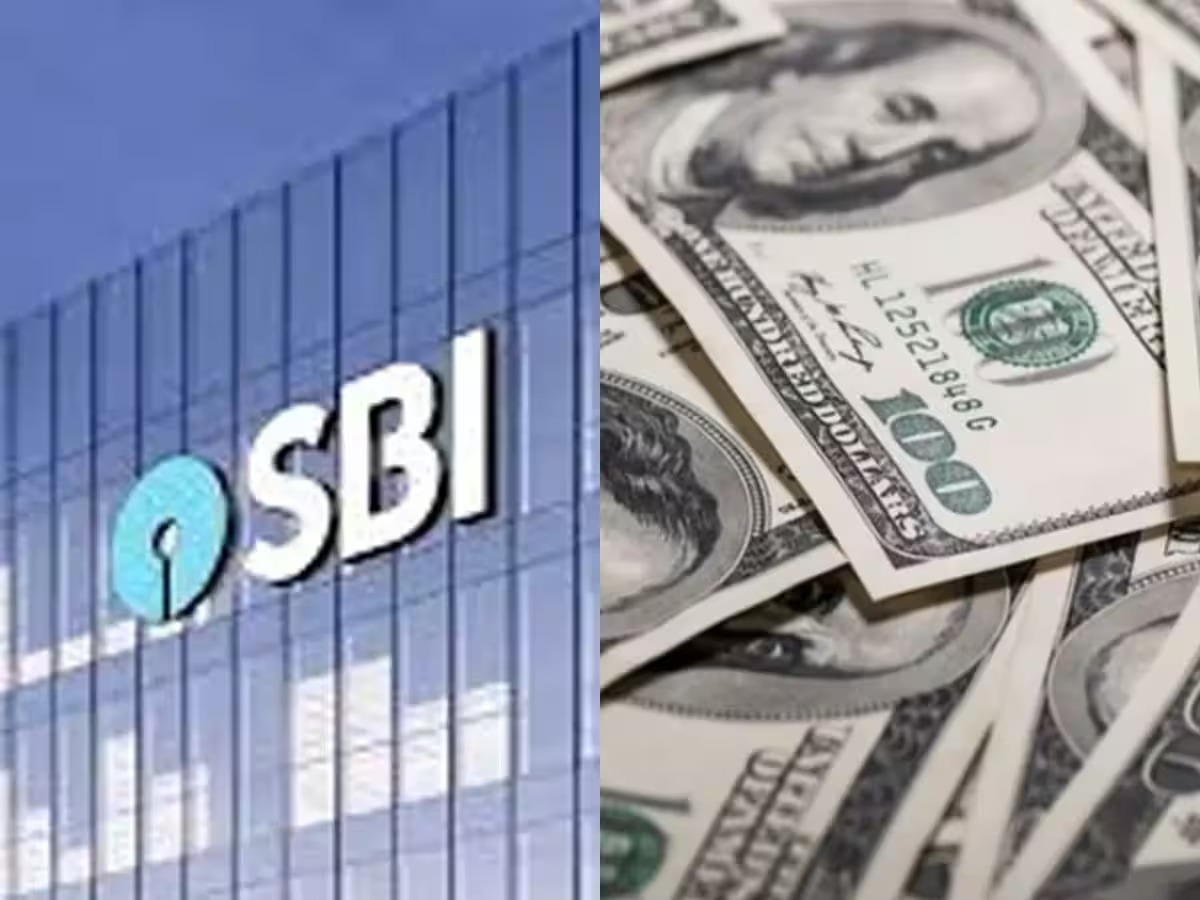
State Bank of India expects to mobilize around $10 billion from NRIs and foreign investors by August 31, 2026, ahead of the early closure of the RBI's concessional swap window. Chairman C.S. Setty also outlined plans to scale total business to ₹200 lakh crore by 2030.
NEW DELHI — State Bank of India (SBI) is on track to mobilize approximately $10 billion in foreign currency inflows from Non-Resident Indians (NRIs) and overseas institutional investors before the close of August 2026. Announcing the capital projection on Tuesday, August 25, 2026, SBI Chairman C.S. Setty confirmed that the public sector banking giant expects to secure between $9 billion and $10 billion on a consolidated basis by August 31, driven predominantly by foreign currency deposits under the Reserve Bank of India’s (RBI) concessional swap window. The aggressive deposit mobilization coincides with the central bank’s decision to advance the cutoff date for its special Foreign Currency Non-Resident Bank [FCNR(B)] swap facility by a full month.
Mobilizing Foreign Currency Ahead of Early Window Closure
The accelerated timeline follows an operational amendment by the central bank, which revised the final date for fresh FCNR(B) deposit mobilizations under the concessional swap framework to August 31, 2026, compared with the originally scheduled deadline of September 30. Under the mechanism, the RBI provides subsidized currency hedging support to domestic commercial lenders, insulating them from foreign exchange translation volatility while building sovereign foreign exchange reserve buffers.
Addressing the bank's operational run-rate, Chairman C.S. Setty indicated that SBI eyes $10 billion from NRIs and international debt channels as overseas depositors leverage favorable deposit yields. While the FCNR(B) deposit facility concludes at the end of the month, the parallel dollar-rupee swap window supporting state-owned enterprises raising External Commercial Borrowings (ECBs) remains operational until December 31, 2026, providing SBI with extended runway to structure overseas corporate debt packages.
Long-Term Growth Trajectory and Vision 2030 Roadmap
The overseas capital mobilization directly aligns with SBI’s broader multi-year expansion blueprint, titled Vision 2030. The lender, which was established on July 1, 1955, through an Act of Parliament transferring the undertaking of the Imperial Bank of India, is preparing for its platinum jubilee milestone in 2030.
The bank formally crossed the benchmark of ₹100 lakh crore in total business—the aggregate of total advances and deposits—during the second quarter of the previous fiscal year, with total business expanding further to ₹110.01 lakh crore at the end of the June 2026 quarter. Management noted that with India’s gross domestic product projected to expand at an annual pace of 7 to 8 percent, SBI’s balance sheet has the operational capacity to expand at 11 to 12 percent annually, effectively doubling the bank's aggregate balance sheet every six years. Under these macro assumptions, total business is projected to reach between ₹170 lakh crore and ₹200 lakh crore by 2030.
Strengthening Domestic Liquidity and External Buffers
The strategic influx of foreign currency deposits strengthens commercial banking liquidity in India amid sustained domestic credit demand. By routing dollar-denominated savings from the diaspora into structured term deposits, domestic lenders improve net interest margins while expanding their foreign-currency lending books for Indian corporate borrowers operating overseas.
Macroeconomic research desks note that the RBI’s broader swap program has absorbed over $72 billion in gross commitments across the Indian banking sector. Because SBI eyes $10 billion from NRIs and institutional sources, the bank represents a major portion of the aggregate capital raised under the scheme, enhancing the lender's foreign currency liquidity coverage ratios.
Official Sources Section
Operational data, deposit metrics, and corporate forecasts cited in this dispatch originate from verified executive interviews, statutory regulatory notifications, and official market circulars published by the State Bank of India and the Reserve Bank of India. Additional balance sheet disclosures are sourced from regulatory filings submitted to the National Stock Exchange of India and BSE Limited.
Executive Statements and Industry Insights
Reflecting on the capital inflow targets and the closing swap window, top leadership detailed the composition of incoming funds.
"In aggregate, we must be reaching the USD 10 billion mark, predominantly coming from the deposit side. But there is visibility of ECBs. ECB, of course, will have a longer period available to us, but by August 31, we should have mobilised around USD 9-10 billion on a consolidated basis," State Bank of India Chairman C.S. Setty stated in an official interview with the Press Trust of India.
Addressing the bank’s operational scale in relation to national economic expansion, Setty added:
"For a bank of our size, scale is imminent, and it is fully intertwined with what is happening in the Indian economy. If the Indian economy grows at 7-8 per cent and our balance sheet has a potential to grow at 11-12 per cent, it means that every six years SBI's balance sheet gets doubled. So I think it's potentially possible by 2030, we may have Rs 200 lakh crore overall business".
Why It Matters
The fact that SBI eyes $10 billion from NRIs and foreign investors highlights the enduring appeal of Indian fixed-income instruments among the non-resident diaspora. The successful accumulation of low-cost foreign currency liabilities insulates the banking system from external liquidity shocks, lowers blended funding costs for domestic enterprises, and strengthens national foreign exchange reserves without placing undue downward pressure on the Indian rupee.
Key Facts at a Glance
Fundraising Target: SBI expects to raise approximately $9 billion to $10 billion in foreign funds by August 31, 2026.
Window Closure: The RBI advanced the FCNR(B) concessional swap window cutoff from September 30 to August 31, 2026.
ECB Facility Timeline: The special dollar-rupee swap window for PSU External Commercial Borrowings remains open until December 31, 2026.
Vision 2030 Goal: SBI aims to double its total business from ₹110 lakh crore to nearly ₹200 lakh crore by its platinum jubilee in 2030.
Frequently Asked Questions
Why did the RBI advance the closure of the FCNR(B) swap window?
The RBI advanced the cutoff date from September 30 to August 31, 2026, after aggregate mobilization targets across the commercial banking sector were achieved ahead of schedule.
What is the composition of the $10 billion that SBI is targeting?
The target is predominantly composed of foreign currency retail deposits from NRIs, complemented by External Commercial Borrowings and overseas institutional debt.
How long will the ECB swap window remain open?
While the FCNR(B) deposit window closes on August 31, the special dollar-rupee swap window for public sector enterprises raising ECBs remains available through December 31, 2026.
What is SBI’s total business target for 2030?
SBI projects its total business—advances and deposits combined—to expand from ₹110.01 lakh crore to between ₹170 lakh crore and ₹200 lakh crore by its 2030 platinum jubilee.
Source: State Bank of India, Reserve Bank of India, Press Trust of India, National Stock Exchange of India, BSE Limited.