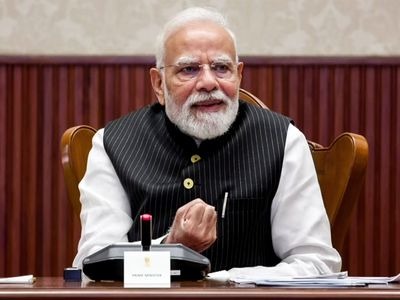
Prime Minister Narendra Modi embarked on a four-day diplomatic tour to Uzbekistan and Kyrgyzstan. The itinerary features bilateral talks in Tashkent to enhance trade and defense ties, followed by participation in the 26th SCO Summit in Bishkek, where he will emphasize regional security, counter-terrorism, and economic connectivity.
Prime Minister Narendra Modi emphasized India's commitment to fostering a terror-free region ahead of his four-day diplomatic tour to Uzbekistan and Kyrgyzstan.
NEW DELHI — Prime Minister Narendra Modi departed on a four-day, two-nation tour to Central Asia on August 29, 2026, centering his diplomatic agenda on regional security, counter-terrorism, and economic connectivity. The journey features a bilateral state visit to Tashkent, Uzbekistan, followed by participation in the 26th Shanghai Cooperation Organisation (SCO) Summit in Bishkek, Kyrgyzstan. According to the Ministry of External Affairs (MEA), the Prime Minister's itinerary is timed to address evolving security architectures across Eurasia as the SCO marks its 25th anniversary. The high-level outreach serves to reinforce bilateral strategic partnerships, expand digital and trade corridors, and consolidate New Delhi's stance against cross-border terrorism.
Strategic Bilateral Engagements in Tashkent
The initial leg of the tour began with a bilateral state visit to Tashkent at the invitation of Uzbek President Shavkat Mirziyoyev. Delegation-level talks focused on evaluating cooperative progress in critical minerals, defense technology, digital connectivity, and pharmaceutical supply chains. Officials noted that bilateral trade and investments have neared the $1-billion threshold, positioning India among Tashkent's top economic partners. Both administrations also reviewed frameworks aligning India's long-term developmental blueprint, Viksit Bharat 2047, with Uzbekistan-2030.
Security, Connectivity, and the SCO Summit in Bishkek
Transitioning to Bishkek for the 26th SCO Summit, Prime Minister Modi joins regional leaders to address counter-terrorism initiatives and economic connectivity frameworks. Ministry officials highlighted that the bloc, established to combat the "three evils" of terrorism, separatism, and extremism, remains a vital platform for Eurasian stability. During the plenary sessions, India is set to articulate its core pillars for the region: security, connectivity, and opportunity. Bilateral discussions on the sidelines include scheduled talks with Russian President Vladimir Putin and other participating heads of state to review multilateral cooperation.
Official Sources and Statements
According to official announcements released by the Ministry of External Affairs and statements from MEA Secretary (West) Sibi George, the tour reinforces India's proactive diplomatic posture in Central Asia.
"The Prime Minister will address the summit where he will highlight India's priorities of security, connectivity and opportunity at the forum," stated the Ministry of External Affairs briefing.
Organizers of the SCO summit and event coordinators in Bishkek confirmed that discussions will also integrate cultural exchanges, highlighted by India's participation in the opening ceremony of the 6th World Nomad Games.
Why It Matters
The diplomatic mission carries significant practical implications for regional trade, energy security, and geopolitical stability. Enhanced connectivity corridors through Central Asia offer Indian businesses alternative trade routes bypassing maritime bottlenecks, while robust counter-terrorism cooperation shields regional markets from transnational security threats. For investors and energy planners, deeper institutional ties with resource-rich Central Asian republics secure long-term access to critical minerals and vital energy supplies.
Key Facts at a Glance
Tour Dates: August 29 to September 1, 2026, covering Uzbekistan and the Kyrgyz Republic.
Core Agenda: Countering terrorism, expanding digital and physical connectivity, and reviewing bilateral trade.
Summit Milestone: Marking the 25th anniversary of the Shanghai Cooperation Organisation (SCO) in Bishkek.
Bilateral Focus: Deepening economic and defense ties with Uzbekistan, where bilateral trade nears $1 billion.
Frequently Asked Questions
What is the primary objective of Prime Minister Modi's Central Asian tour? The tour aims to strengthen strategic, defense, and economic ties with Uzbekistan and advance regional security and counter-terrorism cooperation at the SCO Summit in Kyrgyzstan.
What is the significance of the 26th SCO Summit? The summit marks the 25th anniversary of the establishment of the Shanghai Cooperation Organisation, serving as a key multilateral forum to address regional security and economic integration.
Which nations are involved in the bilateral leg of the tour? The bilateral state visit takes place in Tashkent, Uzbekistan, featuring high-level talks with President Shavkat Mirziyoyev.
What key themes is India highlighting at the SCO? India is formally emphasizing three core pillars: security, connectivity, and opportunity.
Source: Ministry of External Affairs (MEA), Prime Minister's Office (PMO India), Press Trust of India (PTI)