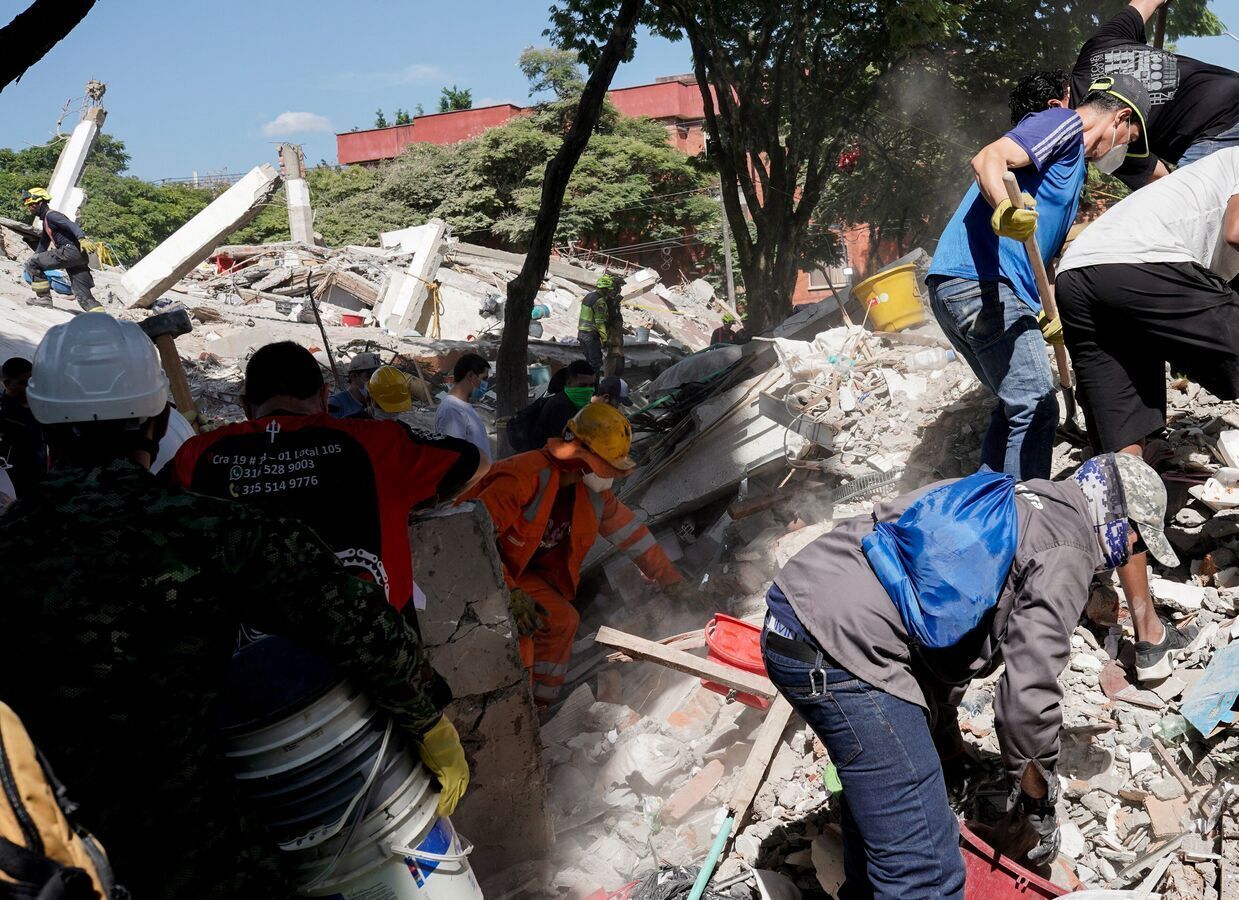
A powerful 7.4-magnitude earthquake struck western Colombia, killing over 200 people, leaving thousands missing, and damaging thousands of buildings. President Abelardo de la Espriella declared a state of disaster as international aid from the US, EU, and global partners mobilizes to support critical search-and-rescue operations across the region.
Mobilizing international emergency aid and declaring a state of disaster, authorities race against time to rescue survivors trapped beneath structural collapses in western Colombia.
As search-and-rescue operations entered a critical second phase on Tuesday, August 11, 2026, western Colombia grapples with the devastating aftermath of a powerful 7.4-magnitude earthquake that struck the nation's coffee-growing heartland. The seismic event, which struck early Monday near the department of Chocó, caused widespread devastation across cities including Pereira, Cali, and Quibdó. According to local authorities and regional emergency coordinators, the death toll has climbed past 200 fatalities, with more than 3,000 people listed as missing and approximately 1,600 buildings reported damaged or collapsed. The catastrophe marks an immediate humanitarian and logistical test for recently inaugurated President Abelardo de la Espriella, who rushed to the disaster zone to oversee federal response efforts.
Humanitarian Impact and Infrastructure Damage
The physical destruction spans thousands of residential homes, dozens of healthcare facilities, and vital educational institutions, severely straining local emergency services. Essential lifeline systems—including electricity grid nodes, potable water networks, and telecommunications—suffered immediate disruptions, while regional airport closures in Pereira, Manizales, and Quibdó complicated initial access.
Key structural and logistical impacts reported by monitoring agencies include:
Hospital Failures: Major medical centers, such as sections of the Hospital Universitario del Valle in Cali, suffered partial structural collapses, forcing doctors to treat vulnerable patients outdoors.
Housing Devastation: Nearly 5,000 homes sustained varying degrees of structural damage, leaving thousands of displaced residents dependent on emergency temporary shelter.
Logistical Bottlenecks: Dozens of primary and secondary roads remain blocked by landslides and debris, cutting off remote mountain communities from immediate medical relief.
Government Response and International Aid Mobilization
In response to the escalating crisis, President de la Espriella formally declared a national state of disaster, unlocking emergency funding pipelines and authorizing the expedited deployment of military engineering corps, search dogs, and specialized medical units. Simultaneously, foreign governments and multilateral organizations have initiated substantial relief packages. The United States allocated $15.5 million for emergency shelter, nutritional support, and damage assessments, while the European Union activated its Copernicus satellite mapping system to guide rescue teams. Additionally, the Inter-American Development Bank (IDB) made $50 million available for long-term reconstruction financing.
Why It Matters
Major seismic disasters severely test the institutional resilience, emergency preparedness, and healthcare infrastructure of developing nations. The swift arrival of international aid and the execution of coordinated state logistics are critical to mitigating secondary humanitarian crises, preventing disease outbreaks, and ensuring long-term regional recovery.
Key Facts at a Glance
Earthquake Magnitude: 7.4 on the Richter scale, striking western Colombia.
Casualties and Missing: Over 200 fatalities confirmed, with more than 3,000 individuals reported missing.
Structural Damage: Approximately 1,600 buildings damaged or collapsed alongside nearly 5,000 compromised homes.
International Support: Financial and logistical aid deployed by the United States, the European Union, and the Inter-American Development Bank.
FAQ Section
What caused the catastrophic damage across western Colombia?
A powerful 7.4-magnitude earthquake struck near the Chocó department, generating severe ground shaking that triggered building collapses and landslides across multiple cities.
How is the Colombian government handling the disaster response?
President Abelardo de la Espriella declared a state of disaster, deploying military personnel, search-and-rescue teams, and engineers while rolling out emergency rental subsidies for affected families.
What international assistance has been provided so far?
The United States has pledged $15.5 million in emergency aid, the European Union has activated satellite tracking services, and the IDB has earmarked $50 million for reconstruction.
Where can citizens track verified updates and emergency resource information?
Official status reports, rescue updates, and relief directives are accessible directly via the UN OCHA Portal and the International Federation of Red Cross (IFRC).
Source: Office of the President of Colombia, UN Office for the Coordination of Humanitarian Affairs (OCHA), International Federation of Red Cross (IFRC), Colombian Geological Service