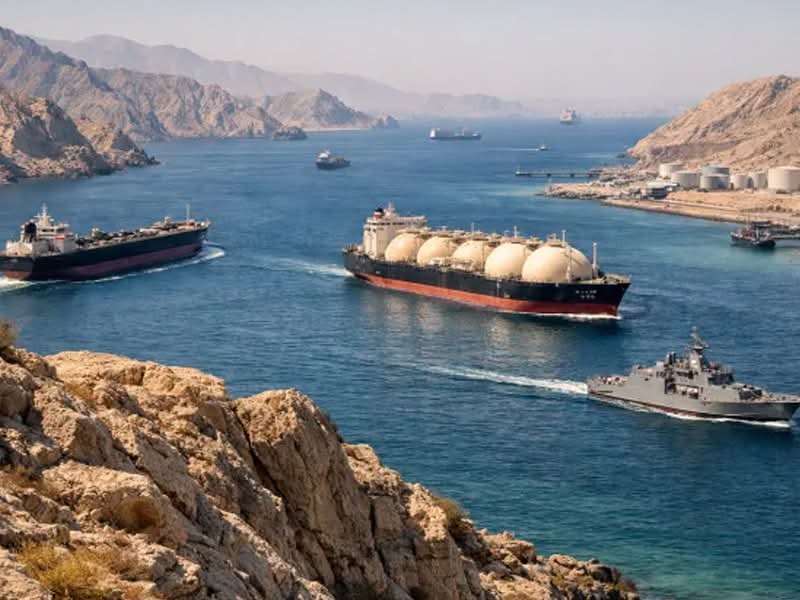
Commercial vessel crossings through the Strait of Hormuz rose slightly on Monday to six ships but remained in single digits . The constrained traffic volume follows an ongoing stalemate in U.S.-Iran diplomatic talks, keeping maritime operators cautious about navigating the critical Middle East energy transit corridor.
DUBAI — Vessel transit through the Strait of Hormuz ticked upward slightly on Monday, August 17, 2026, but daily traffic volume remained restricted to single digits as peace talks between the United States and Iran hit a stalemate, according to preliminary shipping data released Tuesday.
The critical maritime bottleneck, which handles roughly a fifth of global petroleum supply, saw minor movements across tanker and dry bulk segments . However, commercial ship operators continue to maintain a cautious stance amid ongoing diplomatic tensions and unresolved security protocols in the Gulf region.
Daily Vessel Traffic Summary in the Strait of Hormuz
According to preliminary maritime tracking records, six commercial vessels transited the Strait of Hormuz on Monday. The recorded movements included a mixture of inbound and outbound traffic carrying energy and bulk cargoes :
Inbound Transits: One medium-range fuel tanker and one intermediate-range tanker entered the Gulf via the strait .
Outbound Transits: A medium-sized liquefied petroleum gas (LPG) carrier, a Panamax bulk carrier, and a Panamax-sized fuel tanker exited the Gulf .
While representing a marginal increase from weekend activity levels, total vessel counts remain severely subdued compared to historical daily averages.
Diplomatic Impasse and Economic Impact
The suppressed traffic flows coincide with stalled negotiations between Washington and Tehran. Industry analysts note that shipowners and maritime insurers remain hesitant to resume normal routing through the Persian Gulf without clear security guarantees or diplomatic progress.
The low volume of crossings directly impacts global energy supply chains and maritime logistics:
Energy Markets: Reduced transit rates for crude, refined products, and LPG tighten prompt supply in Asian and European import markets .
Freight and Insurance Rates: War risk premiums and charter rates for vessels operating in the Middle East Gulf region remain elevated due to perceived security risks.
Commercial Shipping Operations: Fleet managers are continuing to evaluate rerouting options or holding vessels outside the Gulf pending diplomatic updates.
Official Sources Section
Data regarding vessel movements in the Strait of Hormuz was collated from preliminary maritime tracking and shipping registry data. Diplomatic status updates regarding the U.S.-Iran peace talks were evaluated based on official statements from regional diplomatic channels and international monitoring bodies.
Quote Section
According to official shipping tracking reports, vessel movements through the waterway showed a minor uptick on Monday but remained constrained overall as commercial operators await further developments in ongoing U.S.-Iran negotiations.
Why It Matters
The Strait of Hormuz serves as the world's most critical oil transit chokepoint. Protracted disruptions or low vessel transit numbers directly influence global energy prices, inflate international shipping costs, and create downstream inflationary pressure on consumer fuels and manufacturing inputs worldwide.
Key Facts at a Glance
Total Crossings: Six commercial vessels transited the Strait of Hormuz on Monday, August 17, 2026 .
Inbound Traffic: One medium-range fuel tanker and one intermediate-range tanker entered the Gulf .
Outbound Traffic: One LPG carrier, one Panamax bulk carrier, and one Panamax fuel tanker exited the Gulf .
Context: Transit numbers remain in the single digits amid an ongoing stalemate in U.S.-Iran peace talks.
Frequently Asked Questions
What is the current status of ship crossings in the Strait of Hormuz?
Vessel crossings increased slightly on Monday, August 17, 2026, but total daily transits remained in single digits with six vessels recorded .
Which types of vessels transited the strait?
Recorded traffic included medium-range and intermediate-range fuel tankers entering the Gulf, alongside an LPG carrier, a Panamax bulk carrier, and a Panamax fuel tanker exiting the waterway .
Why are vessel transits through Hormuz low?
Shipping traffic remains restricted due to elevated geopolitical risks and a diplomatic stalemate in peace talks between the U.S. and Iran.
Source: Reuters | Preliminary Maritime Shipping Data