




Loading market data...
ADVERTISEMENT

Latest Top News

Smaller Cities, Bigger Growth: India’s Next Property Hotspots
India’s real estate sector is shifting beyond traditional metro hubs, with Tier-II and Tier-III cities emerging as the next growth engines. Affordable housing, infrastructure upgrades, and rising demand from middle-class buyers are driving this boom, reshaping the country’s property market dynamics for the coming decade.
Stay Ahead – Explore Now! Record Profitability: India Inc. Hits Historic Peaks in FY26
ADVERTISEMENT

Latest Updates

Mercedes-Benz India Steers Past Headwinds to Fuel...
15 Jun 2026, 11:45 PM
Sanon’s Andheri Asset Action: Family Bags ₹4.6 Cr...
15 Jun 2026, 11:42 PM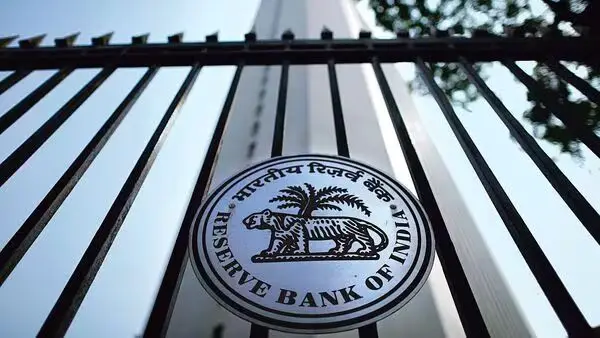
Banking on Trust: RBI Bans Coercive Bundling and A...
15 Jun 2026, 11:39 PM
AI Over the Hill: Gemini Picks Winner in Summer Tr...
15 Jun 2026, 11:36 PM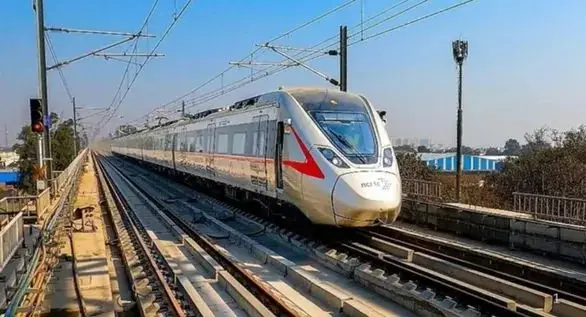
Track to Uttarakhand: Namo Bharat Expansion Nears...
15 Jun 2026, 10:18 PMADVERTISEMENT

Top Stories
Mercedes-Benz India Steers Past Headwinds to Fuel...
15 Jun 2026, 11:45 PM
Sanon’s Andheri Asset Action: Family Bags ₹4.6 Cr...
15 Jun 2026, 11:42 PM
Banking on Trust: RBI Bans Coercive Bundling and A...
15 Jun 2026, 11:39 PM