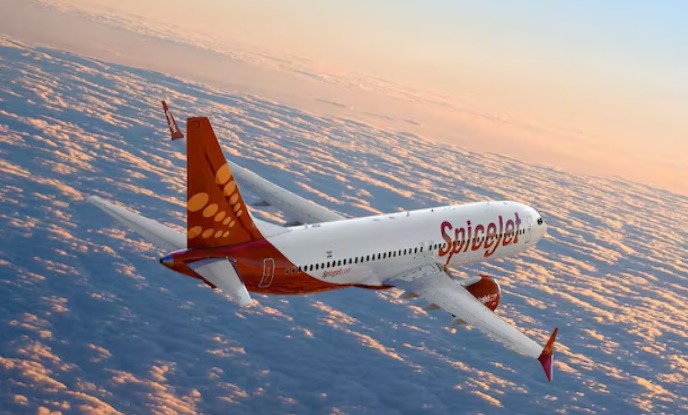
SpiceJet Ltd has announced the addition of three leased Airbus A320 aircraft alongside the successful ungrounding of another Boeing 737 MAX. This dual capacity expansion significantly boosts the budget carrier's operational fleet, optimizes fuel efficiencies, and enhances overall network connectivity and scheduling reliability across competitive Indian aviation corridors.
GURUGRAM, INDIA — Low-cost carrier SpiceJet Ltd announced today, June 8, 2026, a significant reinforcement of its flight operations through the planned induction of three leased Airbus A320 aircraft. Alongside the new narrow-body entries, the airline has successfully completed technical integration to unground an additional Boeing 737 MAX from its parked fleet.
The dual-fleet expansion strategy marks a pivotal step in the airline’s ongoing post-restructuring recovery phase. By adding reliable aircraft assets, the company aims to curb flight cancellations, fulfill strict regulatory schedule obligations, and stabilize its available seat kilometers (ASKM) amid aggressive competition in the domestic Indian aviation landscape.
Strategic Fleet Diversification and Capacity Enhancements
The addition of the three Airbus A320 aircraft represents a notable operational pivot for the Gurugram-headquartered airline, which historically relied almost exclusively on Boeing 737 single-aisle platforms and De Havilland Canada Q400 turboprops. According to internal corporate planning data, the introduction of the Airbus variants is structured via short-term lease frameworks to rapidly inject capacity into high-density metro-to-metro corridors.
Simultaneously, the return-to-service of another previously grounded Boeing 737 MAX reflects the fruits of SpiceJet's technical partnerships with global maintenance, repair, and overhaul (MRO) networks. Operating the modern, fuel-efficient MAX variant allows the carrier to realize immediate double-digit fuel cost reductions per block hour compared to older classic airframes.
Broader Impact on Consumers and Market Dynamics
The operational stabilization of SpiceJet brings multi-layered benefits across the Indian air travel sector:
For Air Passengers: Improved scheduling reliability, fewer last-minute cancellations, and competitive airfare pricing across heavily trafficked routes linking Delhi, Mumbai, and regional hubs.
For Institutional Investors: Rebuilding investor confidence following recent capital raises and debt settlement milestones, providing clear visibility toward operational revenue growth.
For Civil Aviation Infrastructure: Reduced gridlock in capacity shortfalls across domestic slots, ensuring healthier options for consumer choice outside the dominant market duopolies.
Official Sources Section
Fleet integration metrics, maintenance schedules, and lease completions were reviewed in accordance with corporate disclosures filed by SpiceJet Ltd with the BSE Limited and under safety compliance clearances overseen by the Directorate General of Civil Aviation (DGCA). The reactive deployments align directly with the carrier's broader capital deployment strategy outlined in regular statutory updates.
Quote Section
"According to officials familiar with the airline's fleet scheduling, the reactivation of the grounded Boeing 737 MAX was executed seamlessly following structural engine overhauls and compliance certifications, while the incoming Airbus platforms will enter service immediately after standard regulatory validation."
Why It Matters
For travelers and aviation stakeholders alike, an expanding fleet translates to stability. Indian aviation has faced volatile capacity pressures due to global supply chain delays and engine recall bottlenecks. By simultaneously securing wet/damp leased Airbus narrow-bodies and resolving its native Boeing grounding liabilities, SpiceJet safeguards its slots at constrained tier-1 airports and positions itself to safely handle seasonal booking surges.
Key Facts at a Glance
Aircraft Inductions: Three leased Airbus A320 workhorse aircraft are joining active service pipelines.
Fleet Reactivation: One additional factory-owned Boeing 737 MAX has been ungrounded following thorough engineering certifications.
Operational Goal: The combined additions will increase daily flight frequencies across critical domestic trunks and selected international regional routes.
Fuel Efficiency Metrics: The re-inducted Boeing 737 MAX platform delivers approximately 14% lower carbon emissions and fuel burn than older single-aisle predecessors.
FAQ Section
Why is SpiceJet introducing Airbus A320 aircraft when it primarily flies Boeing?
Introducing leased Airbus A320 platforms allows SpiceJet to bypass long-term manufacturer delivery delays and immediately insert reliable, globally standardized capacity into its network to meet near-term traveler demand.
Is the reactivated Boeing 737 MAX safe to fly?
Yes. The aircraft underwent strict component overhauls, engine maintenance procedures, and mandatory airworthiness tests certified directly under the safety frameworks of India's Directorate General of Civil Aviation (DGCA).
Will this expansion lead to more destinations or cheaper flights?
The primary target of these specific inductions is stabilizing existing schedules and increasing flight frequencies on high-demand routes, which helps keep airfares stable by introducing more available seats to the market.
Source: Official exchange communications on the BSE Limited and fleet monitoring compliance registries via the Directorate General of Civil Aviation (DGCA).