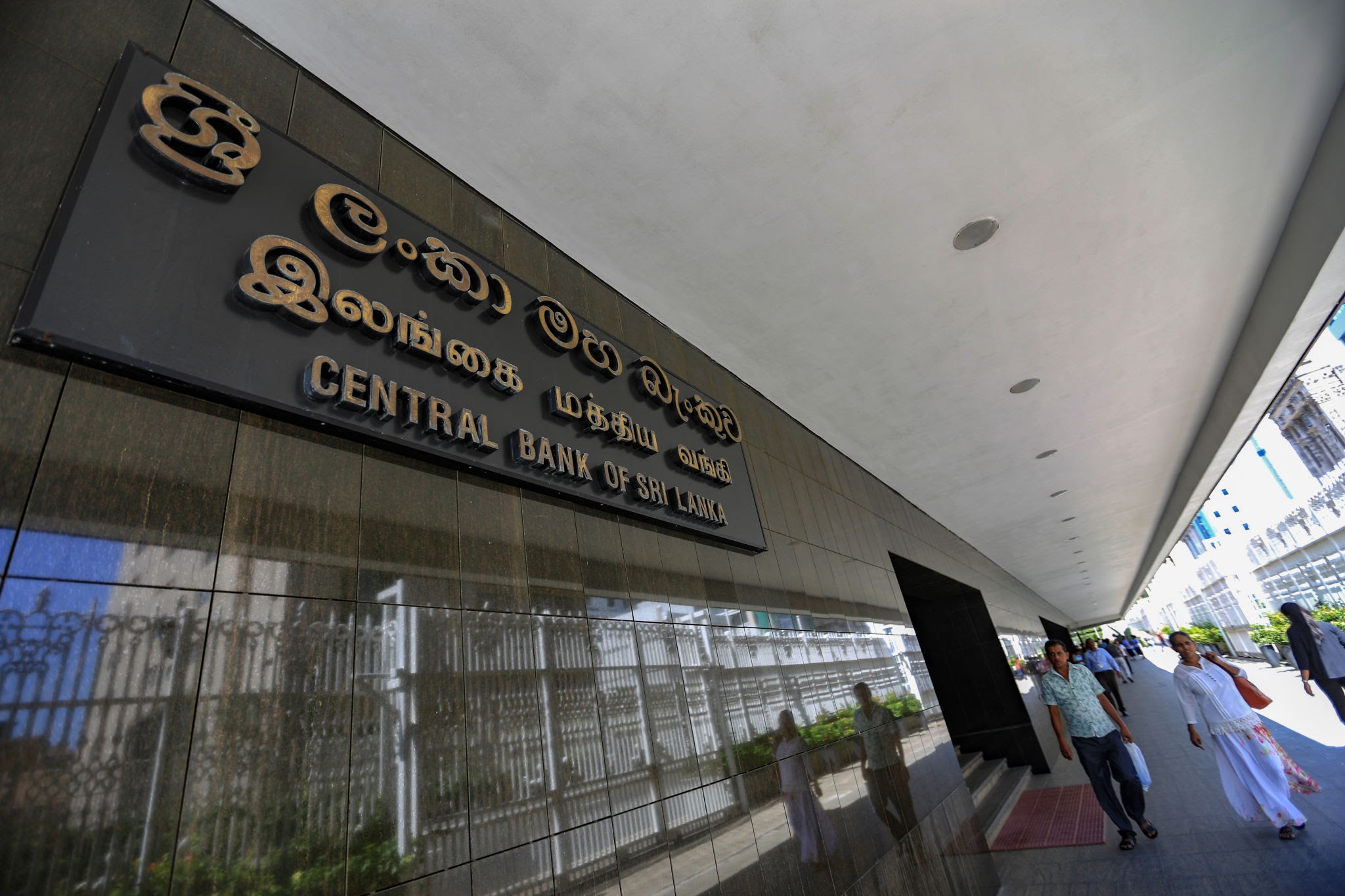
The Public Debt Management Office of Sri Lanka announced an auction of 140 billion Sri Lankan rupees in Treasury bills scheduled for July 28, 2026. The issuance across 91-day, 182-day, and 364-day maturities forms part of the government's regular domestic borrowing strategy to roll over maturing debt obligations and manage short-term fiscal liquidity.
COLOMBO, Sri Lanka — The Central Bank of Sri Lanka (CBSL), acting on behalf of the Government of Sri Lanka and the Public Debt Management Office, announced it will issue 140 billion Sri Lankan rupees (LKR) in Treasury bills through an upcoming public auction scheduled for July 28, 2026.
This substantial debt issuance is designed to support government expenditure requirements and manage debt roll-overs in the domestic financial market. As Sri Lanka continues to navigate its economic recovery path under structural reforms, regular Treasury bill auctions serve as the primary vehicle for short-term domestic liquidity management, offering institutional investors and primary dealers benchmark fixed-income assets.
Auction Breakdown: Maturity Structure and Volume Allocations
The upcoming issuance will offer short-term government securities across three standard maturity tranches to attract a diverse cross-section of institutional capital:
91-Day Bills (3 Months): Short-dated securities intended to absorb immediate money market liquidity and establish short-term yield benchmarks.
182-Day Bills (6 Months): Medium-short tenure bills designed for commercial bank portfolio balancing and corporate treasury allocations.
364-Day Bills (12 Months): Full-year debt instruments providing longer duration certainty for institutional fund managers.
The auction will be conducted through primary dealers authorized by the Central Bank of Sri Lanka, with competitive bids submitted electronically ahead of the official settlement date. Yields will be determined through market forces, reflecting current interest rate dynamics, money market liquidity, and investor demand.
Economic Context and Market Yield Trends
Recent debt auctions conducted by the Public Debt Management Office have reflected steady market demand for government paper. Short-term yield movements across domestic debt sales have stabilized as monetary policy adjustments take effect and inflation expectations remain anchored.
Domestic commercial banks, pension funds, and institutional primary dealers are anticipated to participate heavily in the issuance. The continuous issuance of short-term paper aligns with Sri Lanka's broader fiscal management framework, which prioritizes transparent domestic market borrowing over non-market debt monetization.
Market Context Note: Money market liquidity and domestic credit conditions remain pivotal in determining final yield cut-offs. Systematic debt auctions help maintain balance sheet stability for the banking sector while funding essential state operations.
Official Sources Section
Official debt notices and auction announcements are maintained and published regularly by government financial bodies:
Quote Section
"According to official announcements from the Central Bank of Sri Lanka and the Public Debt Management Office, a total of 140 billion rupees in Treasury bills will be offered to primary dealers at the public auction on July 28, 2026. The auction forms an essential component of the government's scheduled domestic debt management strategy."
Why It Matters: Investors, Banking Sector, and Economic Impact
The issuance of 140 billion rupees in Treasury bills carries practical implications for financial institutions, market participants, and broader economic stability:
For Commercial Banks & Institutional Investors: Provides high-quality, risk-free government paper to manage statutory liquidity ratios (SLR) and generate stable interest returns.
For the Broader Financial Market: Establishes benchmark yield curves for short-term interest rates, directly influencing commercial lending rates, corporate bond pricing, and fixed deposit yields.
For Citizens and Taxpayers: Ensures the government maintains adequate fiscal liquidity to fund public services, infrastructure maintenance, and essential state operations without resorting to inflationary money creation.
Key Facts at a Glance
Total Auction Volume: 140 billion Sri Lankan rupees (LKR).
Auction Date: July 28, 2026.
Issuing Authority: Public Debt Management Office / Central Bank of Sri Lanka.
Maturity Tranches: 91-day (3-month), 182-day (6-month), and 364-day (12-month) Treasury bills.
Target Participants: Authorized Primary Dealers, commercial banks, and institutional fund managers.
Frequently Asked Questions (FAQ)
What are Treasury bills and why does Sri Lanka issue them?
Treasury bills are short-term debt securities issued by the government to raise funds for fiscal operations and manage short-term cash flow needs. They are sold at a discount and redeemed at face value upon maturity.
Who can participate in the Sri Lanka Treasury bill auction on July 28, 2026?
Primary auctions are open to authorized Primary Dealers appointed by the Central Bank of Sri Lanka. Retail investors and secondary market participants can purchase Treasury bills through these primary dealers or commercial banks.
How are yields determined at the Treasury bill auction?
Yields are determined through a competitive bidding process where primary dealers submit their requested interest rates. The Central Bank accepts bids starting from the lowest yield until the target allocation of 140 billion rupees is met.
How does this auction affect short-term interest rates in Sri Lanka?
The weighted average yield determined at the auction serves as a benchmark for short-term interest rates across Sri Lanka's domestic financial sector, influencing bank deposit rates and interbank borrowing costs.
Source: Central Bank of Sri Lanka, Ministry of Finance - Sri Lanka, Public Debt Management Office Results Portal.