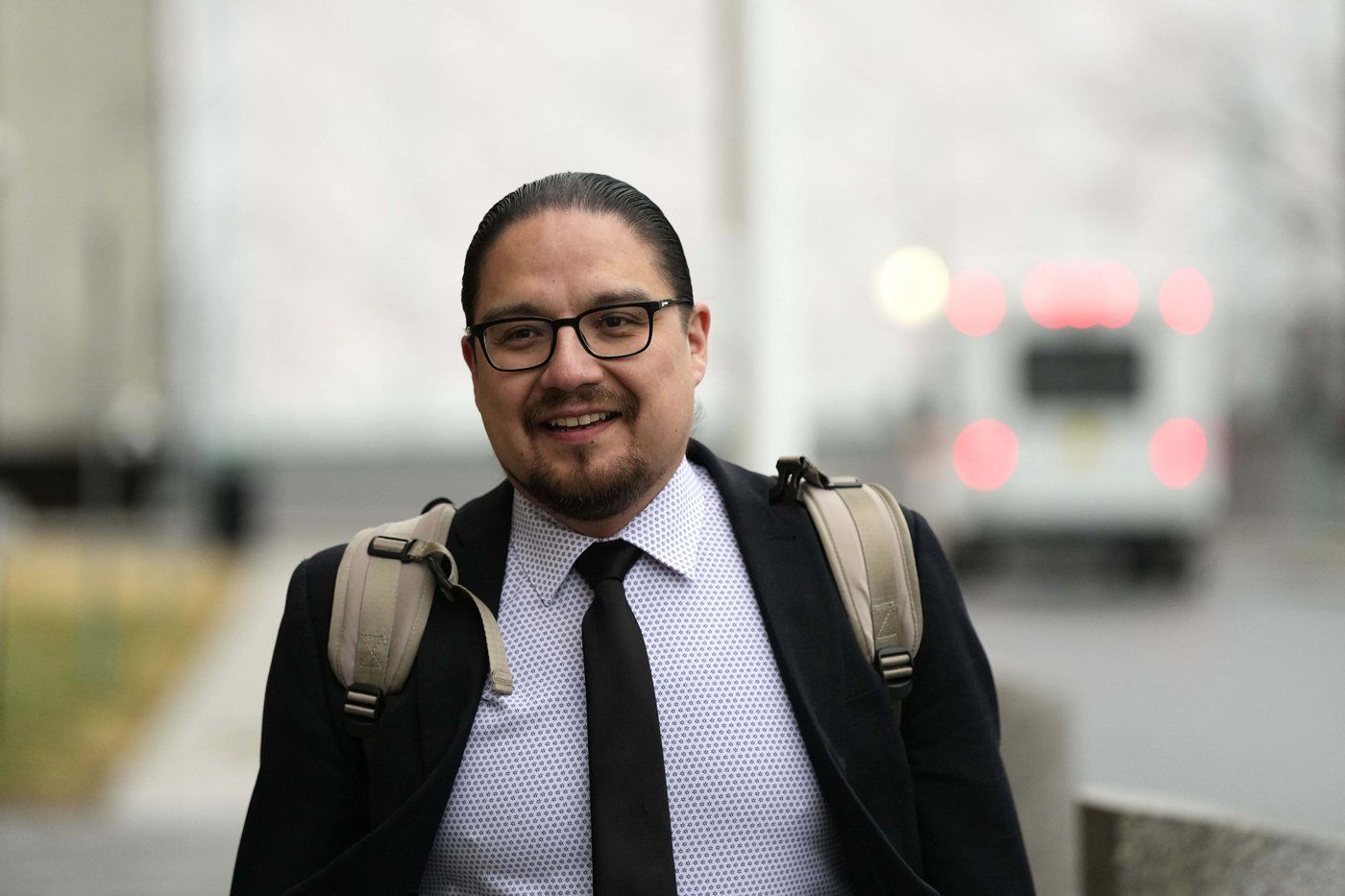
Conservative MP Billy Morin announced that over 4,000 letters have been sent to Parliament urging Prime Minister Mark Carney to amend the Indian Act. The campaign demands the removal of the "second-generation cutoff" rule, which First Nations leaders and the UN warn causes forced assimilation and legal extinction.
OTTAWA — In a major coordinated effort to overhaul Indigenous identity policy, a Conservative Member of Parliament revealed on Wednesday, June 10, 2026, that more than 4,000 letters have been officially submitted to the House of Commons standing committee on Indigenous issues. The massive letter-writing campaign demands that the federal government immediately rewrite the foundational legal parameters governing First Nations registration under the federal Indian Act.
MP Billy Morin, the Conservative Party’s official critic for Indigenous Services and the former chief of the Enoch Cree Nation, reinforced the grassroots surge by delivering a direct, formal letter to Prime Minister Mark Carney. The political intervention arrives as parliament extensively debates Bill S-2, a piece of legislation tasked with modernizing registration entitlement rules while exposing long-standing legislative divisions over systemic discrimination.
The Second-Generation Cutoff and the Threat of Extinction
The core of the dynamic legislative dispute centers on what First Nations leaders and legal scholars describe as the "second-generation cutoff." Established during sweeping structural changes to the Indian Act in 1985, the current legal formula dictates that Indian status cannot be legally transferred to a child if one of their parents and at least one grandparent are unregistered under the act.
Critics argue that this math effectively punishes Indigenous individuals based entirely on their choice of marriage partners, initiating a multi-generational decline in registered populations. Indigenous community advocates warn that if the current framework remains unamended, the cutoff will induce the gradual "legislative extinction" of recognized status Indians, strip families of treaty rights, and systematically shrink the recognized citizenry of individual bands across Canada.
Bill S-2 and the Battle Over the Senate Path
The House of Commons standing committee, formally designated as INAN, is currently reviewing Bill S-2. The draft legislation was originally introduced in the Senate by the governing Liberal framework to rectify localized gender inequities, an administrative fix projected to grant registration access to roughly 3,500 previously excluded individuals.
The Path to Removal
"The second-generation cutoff is explicitly discriminatory. The Senate has provided a clear, actionable path to remove it entirely from federal frameworks," stated MP Billy Morin in his written brief to the Prime Minister. "Hundreds of First Nations have demanded structural action, and thousands of private citizens have written directly to Parliament. You now face a clear, unambiguous choice."
However, both the Senate and cross-partisan First Nations assemblies declared that the original version of Bill S-2 fell short of international human rights baselines. In a rare move, senators voted to substantially expand the scope of the legislation. The Senate amendment removes the second-generation cutoff, permitting status transmission if a single parent holds registration. While the modifications received widespread support from national Indigenous bodies, the federal executive has hesitated to implement the broad version, citing the need for broader consultation.
Global Watchdogs Align Against Forced Assimilation
The domestic legislative gridlock has increasingly drawn sharp critiques from international regulatory bodies. In May 2026, the United Nations Expert Mechanism on the Rights of Indigenous Peoples (EMRIP) issued formal technical advice to Canada, explicitly ordering the state to dissolve the second-generation cutoff due to its "assimilatory effects."
The UN declaration noted that the rule directly violates Article 8 of the United Nations Declaration on the Rights of Indigenous Peoples (UNDRIP), which legally guarantees that global states cannot execute policies leading to forced cultural or legislative assimilation. The EMRIP report marked the second time in 2026 that United Nations human rights committees chastised Ottawa over the Indian Act, following a parallel compliance warning issued by the UN Human Rights Committee in March.
Official Sources Section
The parliamentary data, legislative transcripts, ministerial correspondence, and letter tracking aggregates referenced throughout this news report correspond to official public records filed by the House of Commons Standing Committee on Indigenous and Northern Affairs (INAN). The policy arguments and human rights data have been cross-verified with public legal briefs compiled by the Union of BC Indian Chiefs (UBCIC) and national reporting feeds managed by The Canadian Press.
Quote Section
While opposition members continue to apply political pressure, government representatives maintain that sudden alterations to the Indian Act require extensive structural preparation.
"According to officials and committee coordinators, the core challenge remains balancing immediate human rights corrections with structural municipal resource planning," stated parliamentary committee handlers. "Organizers stated that while the intent behind the Senate's expanded version of Bill S-2 aligns with national reconciliation frameworks, adding tens of thousands of citizens to registration rolls without finalized agreements on housing, education infrastructure, and healthcare funding requires intensive consultation with individual bands."
Why It Matters
For First Nations citizens, local band councils, and federal budgetary analysts, the ultimate outcome of Bill S-2 carries immense structural implications. Eliminating the second-generation cutoff would immediately expand the total number of individuals eligible for federal non-insured health benefits, post-secondary education grants, and localized treaty allocations. For band administrators, it ensures long-term population sustainability and preserves community governance structures. Conversely, maintaining the status quo forces indigenous families to continue navigating a rigid legal framework that separates cousins, siblings, and grandchildren from their ancestral communities based on colonial calculations.
Key Facts at a Glance
Mass Advocacy Campaign: More than 4,000 formal letters were sent to the House of Commons INAN committee demanding immediate Indian Act reform.
Morin's Ultimatum: Conservative Indigenous Services critic Billy Morin delivered an official letter to Prime Minister Mark Carney demanding a definitive decision on Bill S-2.
The Cutoff Penalty: The 1985 second-generation cutoff stops the transfer of First Nations status if an individual has a parent and grandparent who are both unregistered.
Senate Expansion: The Senate voted to amend Bill S-2 to allow status transmission if only one parent is registered, moving beyond the government's initial 3,500-person scope.
International Sanction: The UN Expert Mechanism on the Rights of Indigenous Peoples formally categorized Canada's registration rules as a form of forced assimilation.
FAQ Section
What is the primary purpose of Bill S-2?
Bill S-2 was originally drafted by the federal government to fix specific gender-based inequities regarding First Nations status registration under the Indian Act, initially affecting about 3,500 individuals.
Why are First Nations leaders advocating for the Senate's version of the bill?
The Senate added critical amendments that completely eliminate the second-generation cutoff rule. This allows First Nations status to be passed down to children as long as one parent is registered, preventing the long-term legal decline of indigenous communities.
What happens if the second-generation cutoff rule is not removed?
If the current law remains unchanged, individuals who marry non-status partners will see their grandchildren lose all legal First Nations status and associated treaty rights, a process chiefs warn leads to legislative extinction.
Source: Parliamentary committee filings from the House of Commons of Canada, legal circulars from the Union of BC Indian Chiefs, and national legislative updates compiled by The Lethbridge Herald via The Canadian Press.