Global stock markets opened on a mixed note Monday as investors closely tracked geopolitical developments. GIFT Nifty trends pointed to a positive start for Indian equities. Meanwhile, global energy markets and Asia-Pacific indices reacted cautiously as U.S. Treasury Secretary Scott Bessent prepares to announce historic economic sanctions against Iran.
MUMBAI — Global financial markets delivered a mixed performance on Monday, August 24, 2026, as early trading signals indicated a flat-to-higher start for Indian benchmark indices. Trends in the GIFT Nifty indicated a positive opening for the Nifty 50 and BSE Sensex, while broader Asian markets displayed varied performance following volatile energy movements.
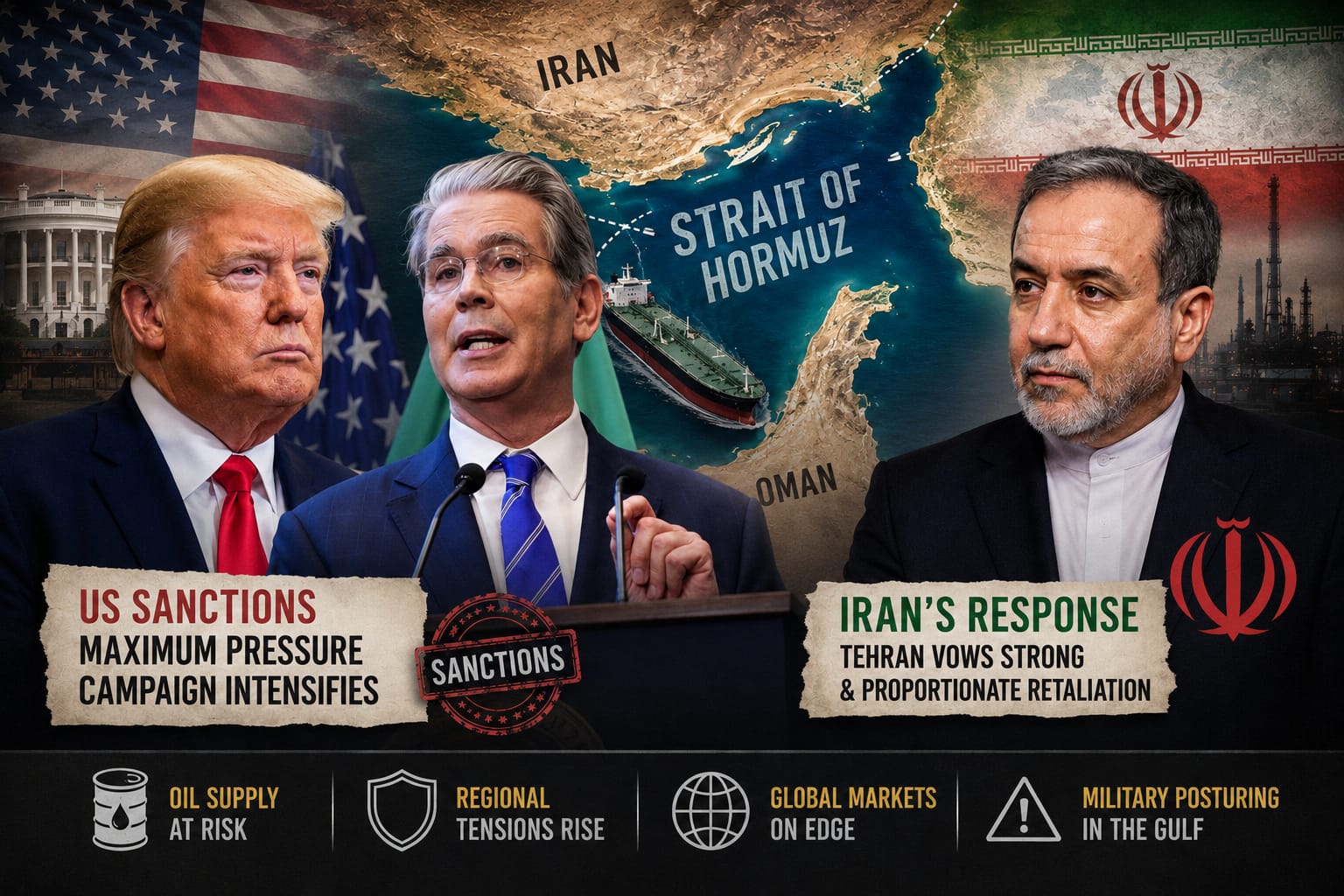
Market participants worldwide are keeping a close watch on Washington, where U.S. Treasury Secretary Scott Bessent is scheduled to host an official press conference to outline what officials have termed "economic D-Day" against Iran. The impending announcement of historical sanctions has stirred caution across commodity desks, equities, and currency trading hubs.
GIFT Nifty Indicates Positive Opening for Indian Equities
Early morning trade data from the NSE International Exchange (NSE IX) showed GIFT Nifty futures trading in a positive trajectory, signaling a higher opening for the Nifty 50. Equity benchmark indices on the BSE and NSE were set to open with gains, recovering from choppy sessions late last week.
Domestic primary market action also remains in focus today, with multiple initial public offerings (IPOs)—including Hy-Tech Engineers, Symbiotec Pharmalab, and Skyways Air—opening for subscription.
Asian Markets Trade Mixed Amid Tech, Energy Watch
Across the Asia-Pacific region, key benchmark indices traded on a mixed note as investors evaluated macroeconomic indicators alongside corporate earnings outlooks. Japan’s Nikkei 225 recorded modest gains, climbing over 0.6%, whereas South Korea’s KOSPI faced sharp sell-offs, dropping over 2% in morning trade.
Technology stocks across Asia saw active trading as investors positioned themselves ahead of quarterly earnings reports from key semiconductor and artificial intelligence firms, including Nvidia Corp and Marvell Technology.
U.S. Prepares 'Economic D-Day' Against Iran
The main driver of institutional sentiment on Monday remains the incoming enforcement of financial restrictions by the U.S. Department of the Treasury. U.S. Treasury Secretary Scott Bessent announced over social media and media briefings that Washington will unveil "the toughest sanctions in history" against Tehran.
According to U.S. administration statements, the sanctions form part of a coordinated campaign of economic isolation designed to sever economic lifelines and target third-party nations or companies that continue doing business with Iran.
Global crude benchmarks saw heightened volatility in early trade. Brent crude traded past $92 per barrel before settling as traders locked in profits ahead of the formal Treasury announcement.
Official Sources
According to official updates released by the U.S. Department of the Treasury, the administration is executing a comprehensive economic strategy.
Statements issued by the National Stock Exchange of India (NSE) and the BSE India confirm normal trading operations across market segments. Market commentary was also verified against releases from the Ministry of Finance and global trade desks.
Official Quotes
"At dawn begins an economic D-Day," stated U.S. Treasury Secretary Scott Bessent in an official statement regarding the sanctions release. "We are going to have the toughest sanctions in history... this is going to be the greatest coordinated economic isolation in the history of the world."
Organizers and trade analysts noted that domestic equity markets are evaluating the geopolitical risks against stable domestic inflows and corporate earnings strength.
Why It Matters
For retail and institutional investors, geopolitical escalation in the Middle East directly impacts global crude oil prices, which influences inflation, import costs, and central bank policy decisions. A sustained spike in crude prices could exert pressure on the Indian Rupee and impact oil-dependent sectors such as aviation, logistics, and paints.
Conversely, clarity on energy supply corridors like the Strait of Hormuz could help normalize commodity costs and stabilize global equity markets.
Key Facts at a Glance
GIFT Nifty Signal: Futures indicated a higher open for the Nifty 50 and BSE Sensex on Monday morning.
Asian Trends: Japan's Nikkei 225 gained 0.63%, while South Korea's KOSPI declined 2.28%.
Sanctions Announcement: U.S. Treasury Secretary Scott Bessent is scheduled to hold a press conference announcing historic sanctions against Iran.
Crude Oil Watch: Brent crude hovered around $92 per barrel amid profit-booking and geopolitical friction.
Primary Market Activity: Mainboard IPOs including Hy-Tech Engineers and Symbiotec Pharmalab open for subscription today.
Frequently Asked Questions (FAQ)
What is the GIFT Nifty indicating today?
The GIFT Nifty is signaling a positive to flat-to-higher opening for Indian equity benchmarks, including the Nifty 50 and Sensex.
Why are global markets reacting to U.S. Iran sanctions?
New U.S. economic sanctions could alter global crude oil supply chains and international trade, impacting energy prices, inflation, and global equity valuations.
Which Asian stock indices moved the most on Monday?
South Korea's KOSPI experienced a drop of over 2%, whereas Japan's Nikkei 225 rose by 0.63%.
Source: U.S. Department of the Treasury, National Stock Exchange of India (NSE), BSE India, Ministry of Finance, Reuters Financial News.