As the global fashion calendar kicks off its most anticipated season, luxury brands are stepping onto the runway with more than just new collections—they’re chasing a revival. From New York to Paris, the September 2025 fashion weeks are not just showcases of style but strategic battle...
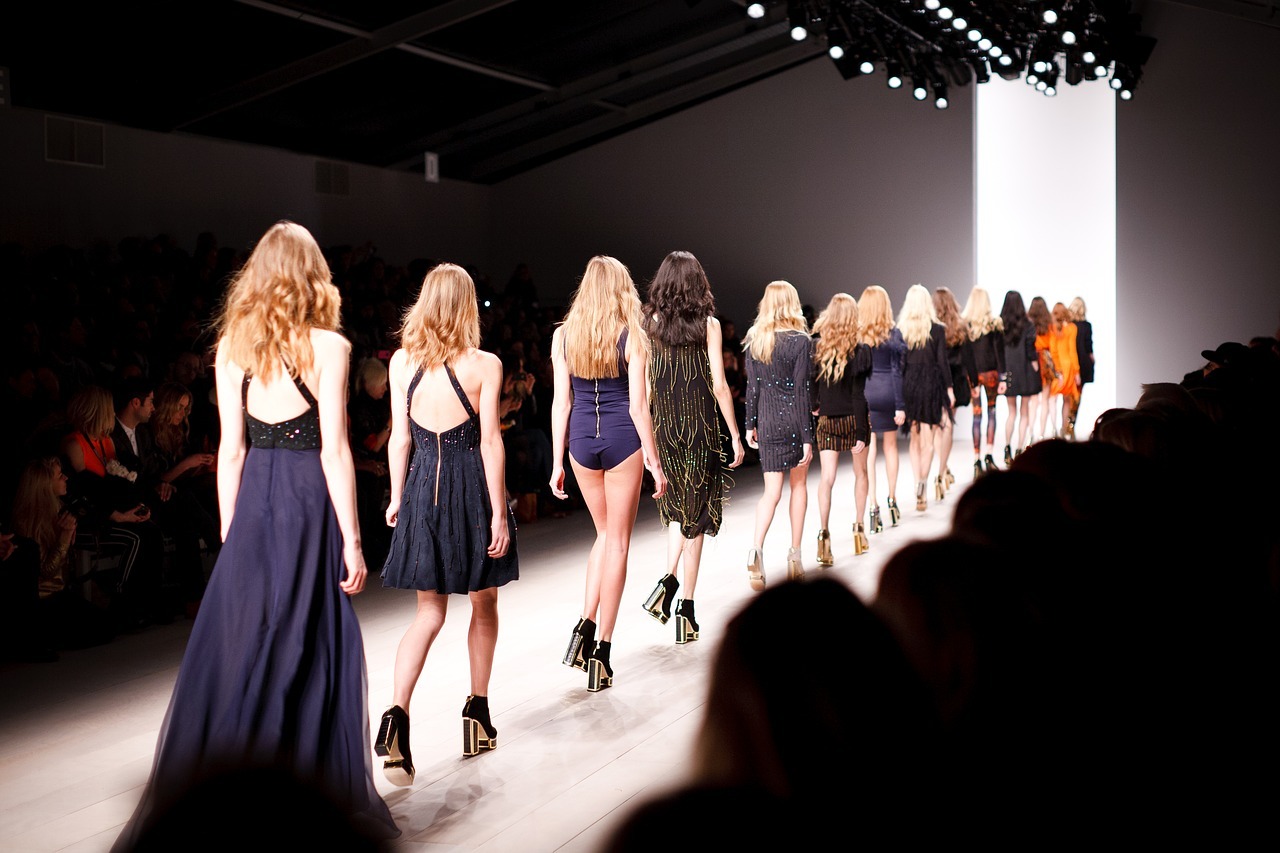
As the global fashion calendar kicks off its most anticipated season, luxury brands are stepping onto the runway with more than just new collections—they’re chasing a revival. From New York to Paris, the September 2025 fashion weeks are not just showcases of style but strategic battlegrounds for a bruised industry trying to reconnect with inflation-weary consumers. With legacy houses like Chanel, Dior, and Gucci unveiling fresh creative leadership, and the recent passing of Giorgio Armani casting a reflective mood, the stakes have never been higher.
Here’s a detailed look at the forces shaping this season’s luxury reboot.
1. A Sector in Flux
- The global luxury fashion industry, valued at over 400 billion dollars, has faced a slowdown since the post-pandemic boom ended two years ago
- After nearly a decade of 10 percent annual growth, the sector slumped in 2024, losing an estimated 50 million customers due to rising prices and economic uncertainty
- The Chinese property crisis and trade tensions under US President Donald Trump have further dampened consumer confidence, especially in Europe and Asia
- Brands are now betting on bold reinvention to reignite interest and restore momentum
2. Designer Shakeups and Fresh Vision
- Chanel, Dior, and Gucci are introducing new creative directors this season, tasked with balancing innovation and brand heritage
- Gucci’s transition from Alessandro Michele’s baroque maximalism to Sabato de Sarno’s minimalist aesthetic is under close watch
- Smaller labels under LVMH, Kering, Prada, and Puig—such as Celine, Loewe, Bottega Veneta, and Maison Margiela—are also undergoing leadership changes
- The pressure on these new designers is immense: they must deliver excitement without alienating loyalists or diluting brand identity
3. Tribute and Transition: The Armani Effect
- The death of Italian fashion icon Giorgio Armani on September 4 has left a void in the industry and raised questions about the future of his label
- His legacy of timeless elegance and quiet luxury is influencing this season’s mood, with many brands leaning into restraint and craftsmanship
- The tribute collections and reflective tone across Milan and Paris are expected to shape consumer sentiment and media narratives
4. Catwalks as Cultural Statements
- Fashion shows are no longer just product launches—they’re immersive experiences designed to generate buzz and emotional connection
- Brands are investing in theatrical presentations, digital storytelling, and interactive formats to stand out in a crowded market
- The challenge lies in being spectacular yet sensitive to budget constraints and shifting consumer values
5. Quiet Luxury vs. Statement Pieces
- A key tension this season is between understated elegance and bold maximalism
- While brands like Bottega Veneta and The Row champion logo-free minimalism, others like Balenciaga and Jean Paul Gaultier are embracing dramatic silhouettes and statement accessories
- This duality reflects a fragmented consumer base: some seek timeless investment pieces, others crave expressive fashion as cultural commentary
6. Reconnecting with the Consumer
- The industry’s core challenge is to win back shoppers who have grown skeptical of high prices and brand hype
- Creative agencies and consultancies are urging brands to focus on authenticity, storytelling, and personalization
- The September shows will serve as a litmus test for whether luxury fashion can evolve without losing its soul
7. What to Watch
- New York Fashion Week begins September 10, followed by London, Milan, and Paris
- Expect surprise debuts, tribute segments, and a blend of nostalgia and futurism
- The performance of key brands this season could determine the trajectory of luxury fashion for years to come
Sources: Reuters, Hindustan Times