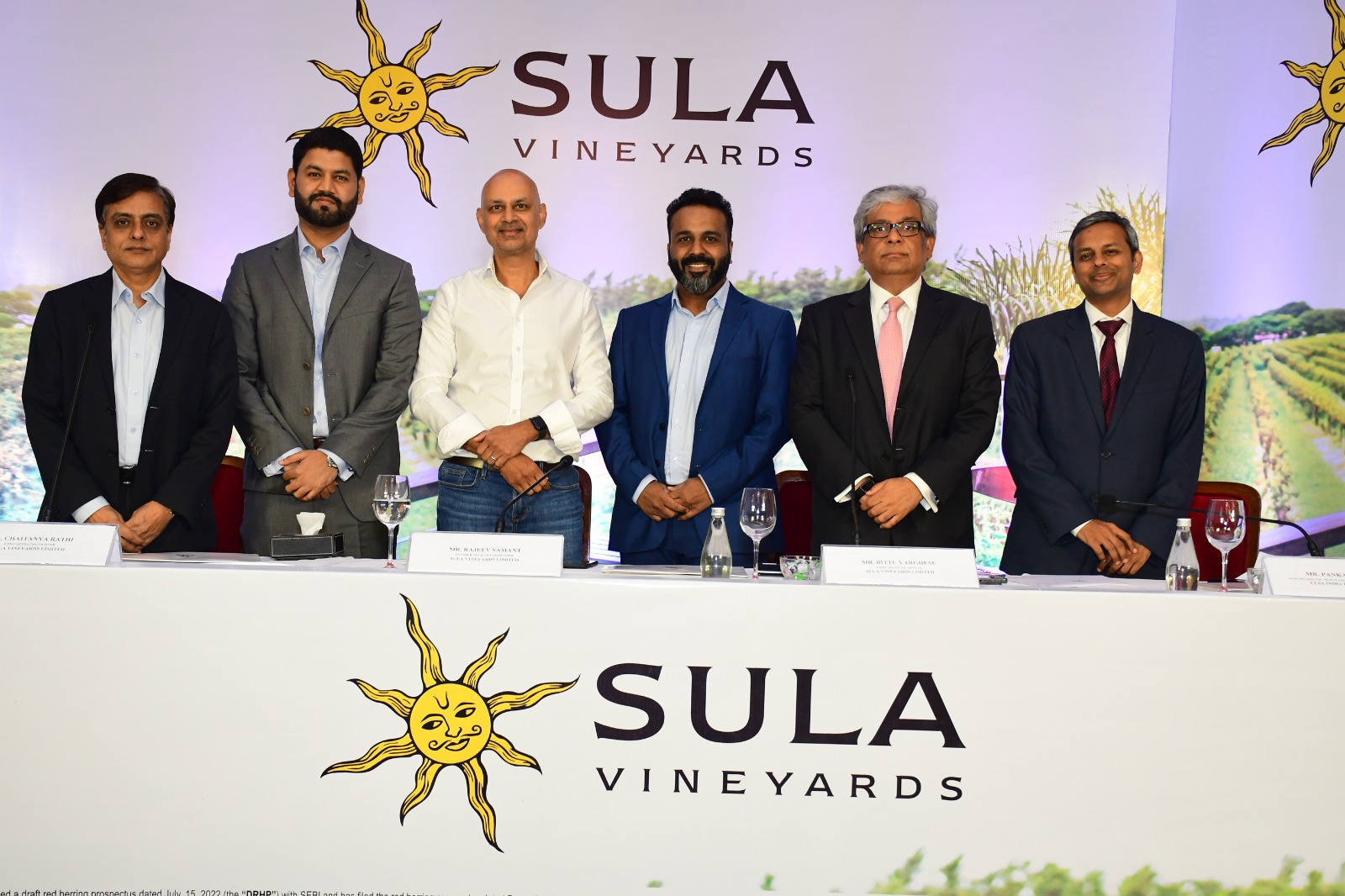
Sula Vineyards Limited, via its subsidiary Artisan Spirits Private Limited, has completed the acquisition of Domaine Chandon India's 19-acre wine estate in Nashik. The asset deal adds a 4.5 lakh-liter production capacity and premium visitor facilities to Sula's portfolio. The remaining balance of ₹50 million will be paid within 12 months as operations transition away from the Chandon brand name.
NASHIK, India — India’s premier wine producer, Sula Vineyards Limited, has officially confirmed that its wholly owned subsidiary has completed the landmark acquisition of Domaine Chandon India’s prominent wine manufacturing assets. Under the finalized payment terms disclosed on June 23, 2026, the subsidiary is scheduled to pay the remaining ₹50 million balance of the transaction within the next 12 months.
The corporate development marks a major shift in the domestic alcoholic beverage landscape as luxury conglomerate Moët Hennessy systematically exits local wine production in India. Sula Vineyards will immediately assume full physical and operational control of the highly advanced asset base to fuel its fast-growing hospitality division.
Expanding High-End Wine Capacity in the Dindori Region
The acquisition is executed through Sula’s wholly owned corporate unit, Artisan Spirits Private Limited (ASPL). The structural perimeter of the transaction covers an expansive 19-acre estate located at Dindori in the Nashik district of Maharashtra widely regarded as the premium viticultural heartland of India’s finest wine grapes.
The physical asset transfer includes land, facility buildings, five acres of plantation vineyards, and high-spec winemaking infrastructure. The state-of-the-art processing winery features an initial capacity of 450,000 liters per annum, which is dynamically scalable up to 1.3 million liters. Crucially, the agreement behaves strictly as an asset purchase mechanism, entirely excluding Moët Hennessy's global brand names or proprietary bottling trademarks. Following the formal handover, local production of Chandon sparkling wines will cease entirely, and all future liquids processed at the site will be marketed under Sula's own brand labels.
Capitalizing on Premium Wine Tourism Powerhouse Gains
Beyond pure volume scaling, the transaction represents a calculated expansion into lifestyle hospitality and agro-tourism—a vertical that has emerged as a high-margin revenue engine for Sula, recently crossing the ₹1 billion annual revenue threshold. The newly integrated Dindori property features a high-end visitor center, specialized wine tasting rooms, and formal banquet event halls.
Sula intends to convert the ultra-premium facility into a landmark resort destination, supplementing its existing local hotel inventory, which includes The Source, Beyond, and The Haven. The geographic placement sits 20 minutes from Nashik Airport. This proximity gives the company a strong logistical advantage to capture escalating consumer traffic from the upcoming massive Kumbh Mela festival gathering.
Official Sources Section
According to official regulatory compliance filings uploaded to the National Stock Exchange of India (NSE) and BSE Limited, the transaction was cleared via an asset purchase agreement. Sula Vineyards confirmed that the financial obligations are managed cleanly via internal cash accruals and structured debt allocations, avoiding dilutive equity exposure for common shareholders.
Corporate Statements
In formal reports issued to exchange desks, Rajeev Samant, Founder and Chief Executive Officer (CEO) of Sula Vineyards, framed the acquisition as a rare structural opportunity:
"This is a once-in-a-lifetime opportunity to acquire a truly world-class estate. The team at Chandon has built an exceptional foundation, and we are excited to unlock its full value. Building on the success of our flagship wine tourism destination near Gangapur Lake in Nashik, which attracts over 300,000 visitors annually, we see strong potential to develop another landmark destination wine resort in Dindori."
Why It Matters
The finalization of this deal highlights the complex realities global luxury brands face when navigating India's highly fragmented, state-level alcohol taxation laws. By transferring these assets to a dominant domestic player that controls over 50 percent of India's premium wine market, the facility gains immediate cost efficiencies. For consumers and investors, it proves that combining large-scale industrial agricultural production with premium hospitality creates a highly resilient business model that can effectively offset seasonal agricultural risks.
Key Facts at a Glance
Asset Footprint: 19-acre state-of-the-art winemaking facility and estate in Dindori, Nashik.
Deferred Consideration: Sula's subsidiary to pay remaining ₹50 million within a 12-month window.
Volume Scalability: Current processing capacity of 4.5 lakh liters, expandable to 13 lakh liters.
Brand Separation: All Chandon trademarks are excluded; production shifts exclusively to Sula's labels.
Market Share: Sula consolidates its position as the market leader with over 50% of the domestic premium wine segment.
FAQ Section
Q: Did Sula Vineyards purchase the 'Chandon' brand name in India?
A: No. The transaction is strictly an asset purchase agreement covering physical land, infrastructure, and vineyards. The Chandon brand remains the intellectual property of Moët Hennessy, and the name will disappear from Indian production.
Q: Where is the newly acquired winery located?
A: The 19-acre world-class estate is located in Dindori, Nashik, situated approximately 20 minutes away from the Nashik Airport corridor.
Q: How does Sula intend to utilize the property's hospitality assets?
A: Sula will run the existing visitor centers and tasting rooms immediately. Over the long term, it plans to develop a premium resort to capture growing luxury wine tourism demand.
Q: What are the payment terms for the remainder of the transaction?
A: Artisan Spirits Private Limited, Sula's subsidiary, has finalized the asset transfer and is scheduled to pay the remaining ₹50 million balance within a 12-month period.
Sources: