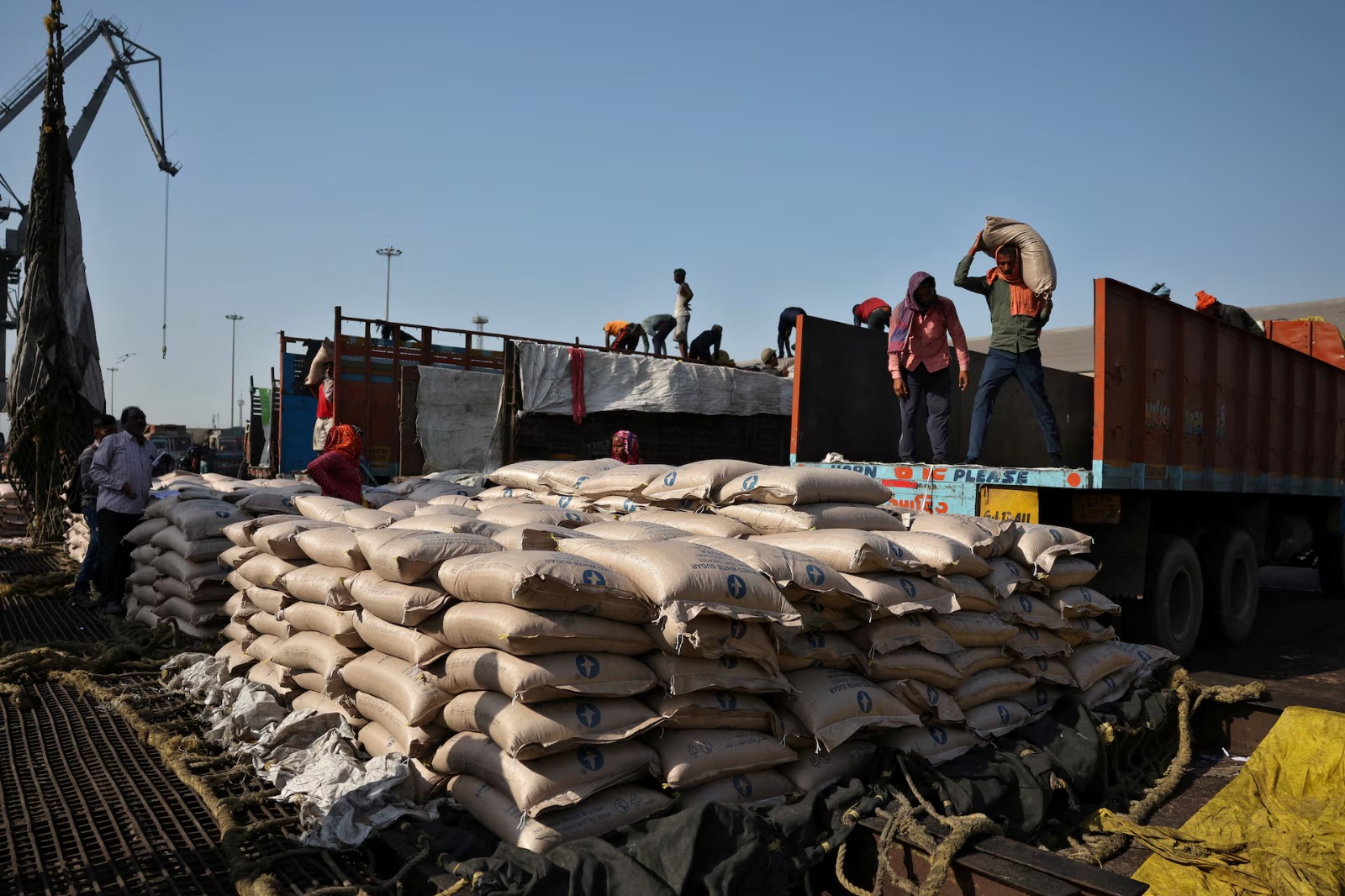
Indian sugar refineries will release around 250,000 tons of white sugar into the domestic market to enhance local supplies and stabilize prices. Announced by industry executives, the move supports government measures to curb food inflation and ensure adequate availability for consumers and bulk processors. Devdiscourse
Indian sugar refineries plan to release approximately 250,000 tons of white sugar into the domestic market to boost supplies and stabilize local prices.
Indian sugar refineries have announced a strategic initiative to channel approximately 250,000 tons (2.5 lakh tonnes) of refined sugar into the domestic market. Disclosed on Wednesday, September 9, 2026, by industry executives during sector deliberations, the planned release responds directly to government measures aimed at easing local supply constraints and stabilizing retail commodity prices ahead of the upcoming festive season.
Managing Surplus and Stabilizing Domestic Prices
According to industry leaders, including Shree Renuka Sugars Managing Director and Chief Executive Officer Susheel Kumar, domestic refiners have offered to supply white sugar locally to augment existing inventory levels. The collaborative move aligns with broader administrative efforts by the Ministry of Consumer Affairs, Food and Public Distribution to manage domestic buffer stocks, curb inflationary pressures on essential food items, and balance regional supply-demand dynamics.
Market analysts note that the targeted injection of refined sugar helps offset recent production adjustments and ensures consistent retail availability across domestic wholesale networks. By increasing local allocations, refiners can effectively alleviate upward price momentum while maintaining steady operational throughput across processing plants.
Impact on Consumers and Food Processing Industries
For retail consumers and bulk institutional buyers, including confectioneries and beverage manufacturers, the influx of 250,000 tons of refined sugar provides price relief and secures predictable supply chains. Enhanced domestic availability prevents speculative hoarding and supports stable retail pricing structures.
Official Sources Section
Details concerning domestic sugar release volumes and market stabilization strategies are based on official statements and disclosures from industry executives and industry bodies published via the Ministry of Consumer Affairs, Food and Public Distribution and major trade reports.
Quote Section
According to officials, refiners have offered to allocate approximately 2.5 lakh tonnes of white sugar to the domestic market to support government supply-enhancement measures and stabilize retail pricing.
Why It Matters
Releasing strategic sugar reserves into the domestic market directly influences food inflation metrics and consumer purchasing power. For agricultural policymakers, balancing domestic availability with export obligations ensures long-term sector stability and fair returns for cane growers.
Key Facts at a Glance
Indian sugar refineries plan to sell roughly 250,000 tons of white sugar domestically.
The initiative supports government efforts to boost local supply and control retail prices.
Industry executives confirmed the offering during sector meetings on September 9, 2026.
The move aims to ensure adequate availability ahead of peak festival demand cycles.
FAQ Section
Why are Indian sugar refineries releasing 250,000 tons domestically?
The release is designed to boost domestic supplies, manage inventory surplus, and stabilize retail sugar prices ahead of peak demand periods.
Who announced the planned domestic sugar sales?
Industry executives, including leading refining representatives, disclosed the supply enhancement initiative during industry deliberations.
Where can stakeholders track official updates on food commodity policies?
Official notifications, production estimates, and market release guidelines are accessible via the Ministry of Consumer Affairs, Food and Public Distribution.
Source: Ministry of Consumer Affairs, Food and Public Distribution, Industry Disclosures