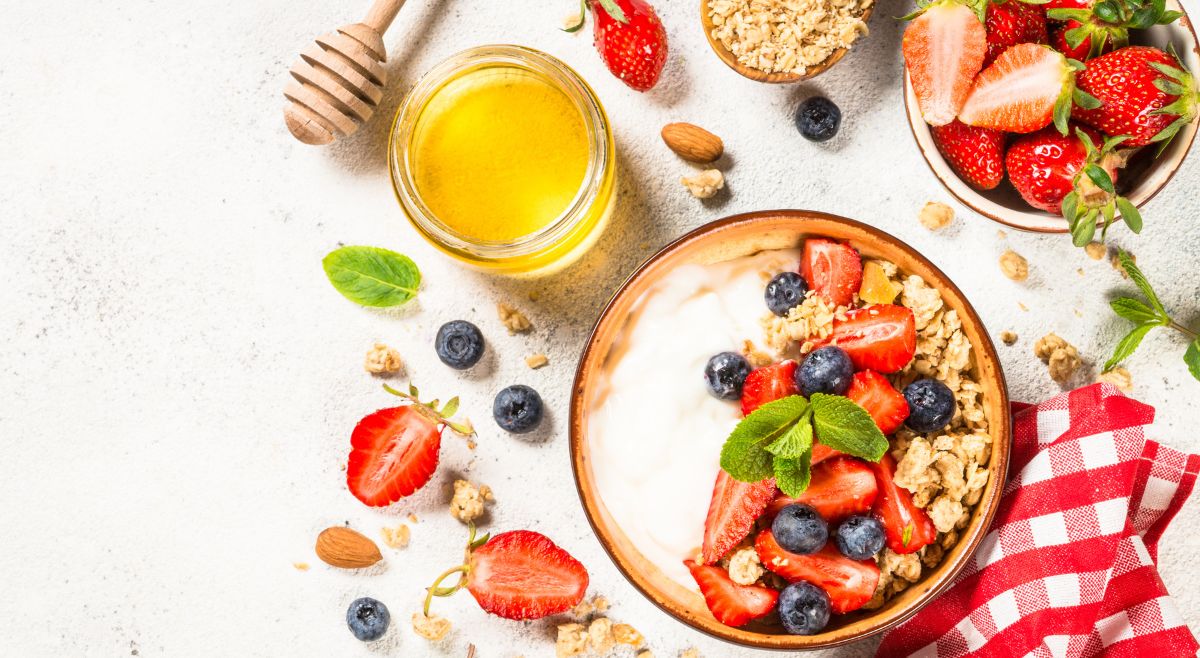
An emerging wellness shift in India has driven consumers to swap refined sugars for pure honey in traditional dishes. From morning lemon water to millet porridge and regional sattu drinks, honey acts as a versatile natural sweetener that enhances local flavor profiles while supporting mindful eating practices across the country.
MUMBAI, India — Across India, a notable shift is occurring in modern kitchens as health-conscious consumers look to ancestral culinary heritage for dietary guidance. Amid rising concerns over the consumption of refined carbohydrates and chemical additives, pure honey is rapidly reclaiming its historic status as a primary natural sweetener in traditional Indian foods and beverages.
The resurgence of honey-based Indian foods is driven by a wider cultural shift toward mindful eating and physical wellness. Rather than adopting western diet trends, individuals are upgrading local, generational recipes by substituting processed white sugars with nutrient-dense, raw honey.
The Resurgence of Honey-Based Traditional Indian Foods and Drinks
As standard dietary advice changes, culinary analysts note that honey’s enduring role in Indian gastronomy relies on its structural ability to sweeten profiles without overwhelming the distinct, underlying flavors of a dish. Traditional applications range from morning baseline wellness rituals to heat-mitigating summer beverages.
Official dietary studies highlight five clear instances where honey serves as an efficient culinary component:
1. Warm Lemon Honey Water
Utilized extensively as a morning digestive ritual across millions of Indian households, the blend serves as a mild, hydrating stimulant. The addition of honey naturally counterbalances the intense, acidic notes of fresh citrus juice while delivering a smooth, natural sweetness.
2. Sattu Drink
A foundational summer cooler originating from the rural plains of Northern India, this beverage utilizes a base of roasted gram flour (sattu). Adding honey provides an immediate, easily digestible carbohydrate balance that elevates the inherently earthy flavor profile of the grain, resulting in a naturally sweet, energizing beverage.
3. Millet Porridge
With the global rise in coarse grain consumption, traditional porridges utilizing ragi (finger millet), bajra (pearl millet), or jowar (sorghum) are frequently paired with honey. Culinary experts emphasize that because sustained high heat can alter honey’s delicate structural properties, the sweetener should be stirred in only after the porridge has finished cooking and has cooled slightly.
4. Fresh Indian Fruit Bowls
Agrarian consumption patterns show a decline in the practice of dusting seasonal fruits with refined sugars or synthetic salts. Drizzling a single teaspoon of pure honey over native produce—such as papaya, pomegranate, banana, and apples—accentuates their natural sugar content while introducing a clean flavor finish.
5. Herbal Teas and Kadha
Traditional immunity formulations, including tulsi (holy basil) tea, ginger infusions, and concentrated herbal kadha blends, naturally possess sharp, bitter notes. Incorporating honey softens these aggressive botanical textures, making the wellness mixtures highly palatable when added after the liquids drop below boiling temperatures.
Official Industry Insights
Market experts emphasize that the commercial value of this culinary shift depends entirely on the chemical integrity of the raw ingredients.
"Honey has always been more than just a sweetener in Indian kitchens; it is a part of our culinary and cultural heritage that celebrates simplicity and mindful eating," stated Mr. Arvind Patel, Managing Director of Bharat Vedica (A Patel Venture). "However, the honey that brings the most value is pure, raw, minimally processed, which allows you to experience this timeless ingredient in its most authentic form."
Regulatory authorities continue to caution that despite its nutritional benefits over industrial sugar, consumer moderation remains vital to prevent excessive caloric intake.
Why It Matters
For citizens, businesses, and agricultural stakeholders, this dietary shift alters consumer purchasing patterns across the FMCG (Fast-Moving Consumer Goods) sector. As more families phase out industrial sweeteners, domestic demand for traceable, raw apiary products is rising. This shift offers significant economic incentives for rural bee-keeping co-operatives and sustainable agricultural networks across the Indian subcontinent.
Key Facts at a Glance
Cultural Pivot: Modern Indian consumers are actively replacing refined sugars with honey in historic, regional breakfast items and regional summer tonics.
Thermal Sensitivity: Industry guidelines indicate that honey must be added to foods like millet porridge and kadha after cooling to preserve its delicate flavor properties.
Holistic Profiles: Honey naturally balances sharp botanical inputs, such as citrus compounds and medicinal herbs, without masking original flavors.
Quality Mandate: Food specialists warn that the physical and dietary advantages of honey are only fully realized when using raw, minimally processed varieties.
Frequently Asked Questions (FAQ)
Q1: Can honey be added directly to boiling liquids during preparation?
No. High thermal exposure can alter the delicate flavor profile and natural properties of honey. It is systematically recommended to stir the sweetener into porridges, teas, or infusions after they have cooled down slightly.
Q2: How does honey improve the taste of rustic grain beverages like Sattu?
Sattu possesses a distinctly heavy, roasted, and earthy flavor. Introducing honey provides a smooth texture and a balanced natural sweetness that complements the grain, creating a highly palatable, energizing beverage.
Q3: Is it healthier to use honey instead of white sugar in daily fruit bowls?
Yes. Refined sugars add unnecessary processing chemicals and empty calories to fresh fruit. Honey brings out the natural sugars of seasonal fruits like papaya or pomegranate while providing a clean flavor finish.
Q4: What type of honey should consumers look for to ensure nutritional authenticity?
According to agricultural and industry experts, consumers should opt for pure, raw, and minimally processed honey to ensure they are getting the ingredient in its most authentic and beneficial form.
Source: The Daily Jagran Lifestyle Desk